
Anise (Pimpinella anisum): plant, flavor, history and uses
Anise (Pimpinella anisum) is an aromatic annual herb of the Apiaceae family, valued for its licorice-like seeds used in cooking, liqueurs, traditional medicine and perfumery; native to the eastern Mediterranean and SW Asia.
Anise is the aromatic annual herb Pimpinella anisum, cultivated for its flavorful seeds and essential oil. The plant is a flowering plant in the family Apiaceae and is best known for a sweet, licorice-like taste that many people compare to licorice, fennel and tarragon. The pungent scent and taste come largely from anethole, an aromatic compound present in the seeds and oil.
Image gallery
8 Images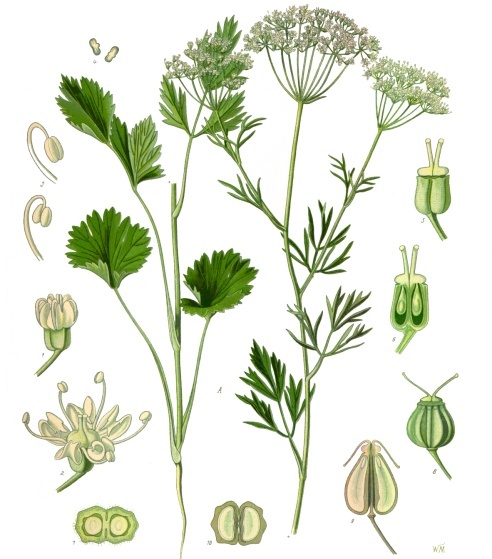




Botanical characteristics
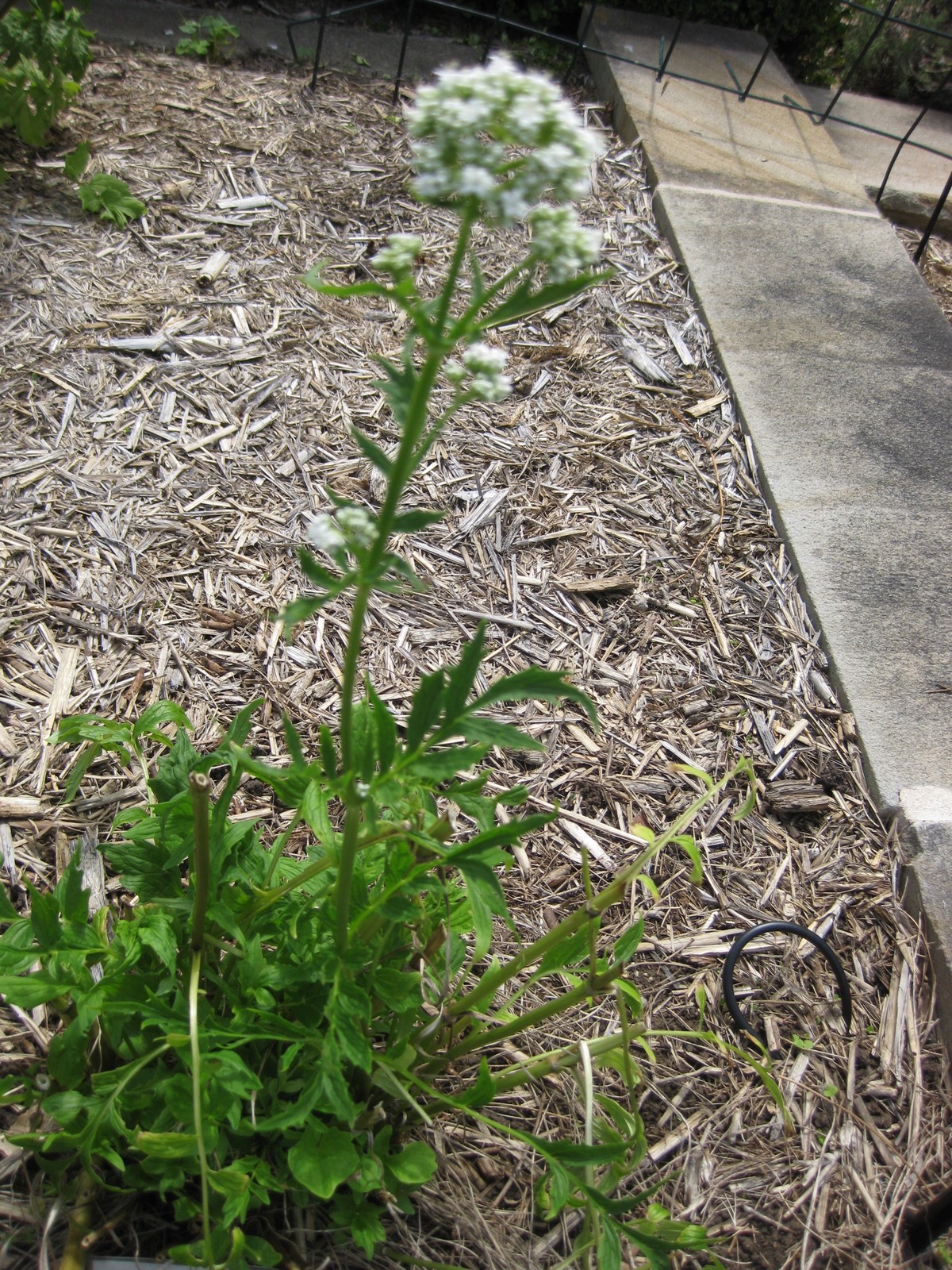
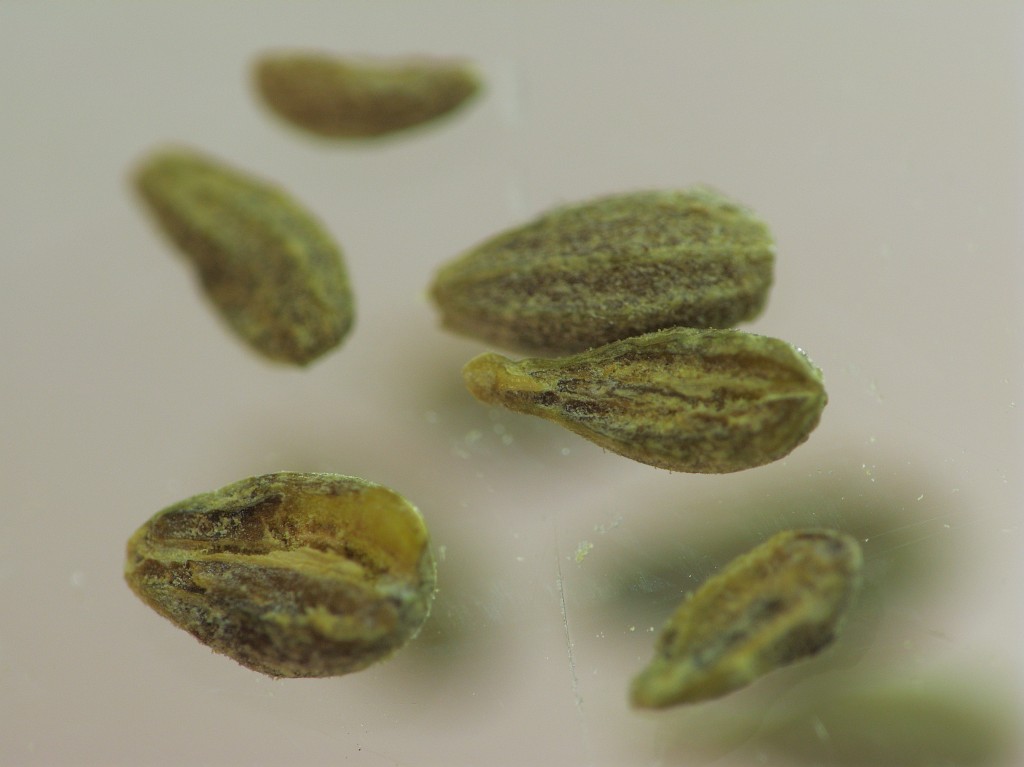
Anise grows as a small annual, typically producing feathery leaves and umbrella-like clusters of tiny white flowers that set small dry fruits commonly called "seeds." These seeds are the primary commercial product; they are brown, oval and ridged. Harvesting is done when the fruits ripen on the plant, and the material is then dried for storage, oil extraction or grinding.
Origin and cultivation
Native to the eastern Mediterranean region and southwest Asia, anise has been grown for millennia. Cultivation spread with trade and agriculture to temperate regions where soils and a warm growing season favor seed development. Historically it was incorporated into medicines, breads and beverages across Europe and the Middle East.
Uses and importance
Anise seeds and oil are used in several domains:
- Culinary: seeds flavor breads, cakes, cookies, sauces and savory dishes; often used whole or ground.
- Beverages: aniseed contributes its flavor to many liqueurs and spirits and was previously used to aromatize fortified wines such as spiced wine and early forms of claret.
- Traditional medicine: used as a carminative and mild expectorant in folk remedies and herbal preparations.
- Perfumery and industry: essential oil finds niche uses where its sweet, aromatic profile is desired.
Distinctions and notable facts
- Anise should not be confused with star anise, a different plant used similarly but belonging to another botanical group; both share a licorice-like flavor because of similar aromatic compounds.
- It is related to other aromatic umbellifers such as caraway, dill and fennel; culinary overlaps exist but each has distinct floral and seed characteristics.
- Quality and intensity vary by harvest and origin; whole seeds keep flavor longer than ground powder.
Because of its versatility and distinctive taste, anise remains a small but influential crop in many culinary and cultural traditions. For broader botanical context and cultivation guidance, see resources on the plant family and regional agriculture linked above.
Related articles
Author
AlegsaOnline.com Anise (Pimpinella anisum): plant, flavor, history and uses Leandro Alegsa
URL: https://en.alegsaonline.com/art/4300