
Parsnip (Pastinaca sativa)
Parsnip (Pastinaca sativa) is a cream‑fleshed Eurasian root vegetable in the Apiaceae family, historically used as a sweetener and now eaten roasted, mashed, in soups or purees; frost increases its sweetness.
Overview
The parsnip (Pastinaca sativa) is a starchy root vegetable cultivated for its elongated, cream-colored taproot. It is valued for a sweet, nutty flavor that is distinct from, but related to, other umbrella-family crops. Parsnips are commonly grown in temperate regions and harvested for culinary use.
Image gallery
6 Images


Appearance and characteristics
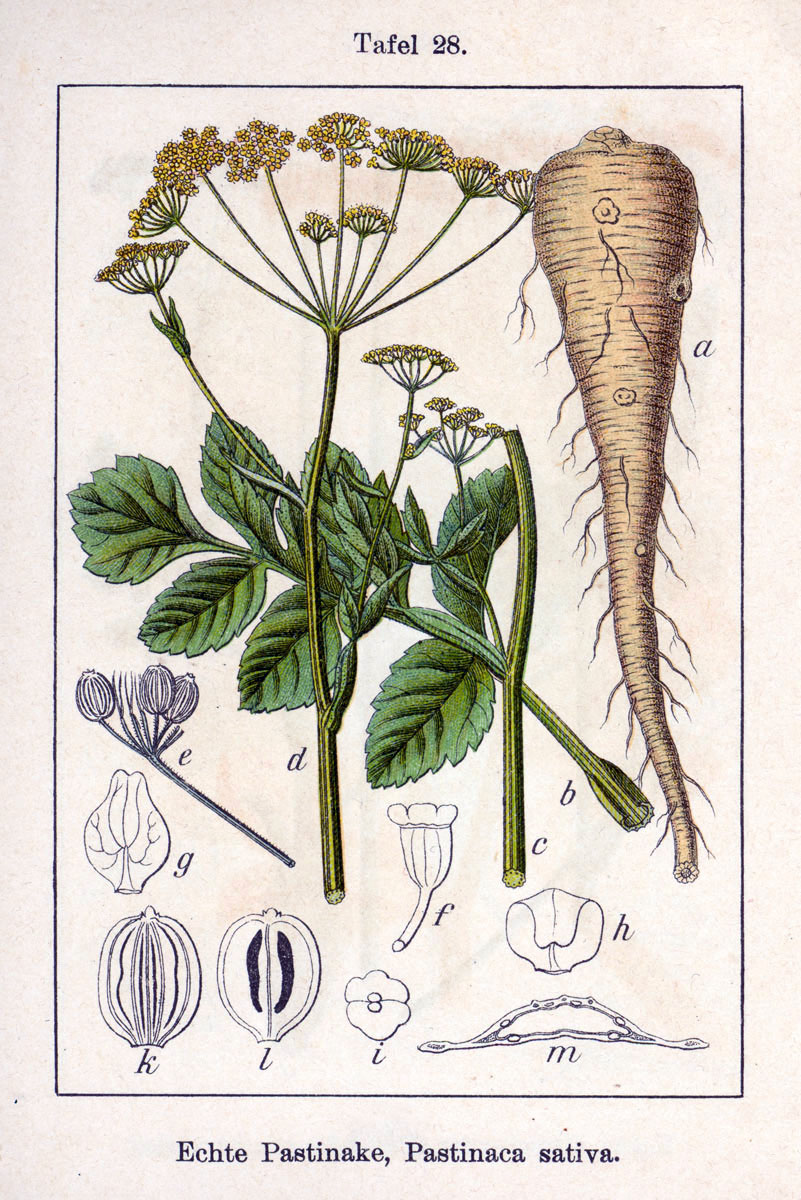
Parsnips produce a long, tapered root with pale skin and firm, cream-colored flesh. When cooked the texture becomes soft and slightly fibrous; older or very large roots may develop a woody core. Many home gardeners and chefs note that the taste becomes sweeter after exposure to low temperatures, a trait that concentrates sugars in the root.
- Form: long, tapering taproot.
- Color: cream to pale yellow skin and flesh.
- Flavor: sweet, earthy, nutty; enhanced by exposure to frost winter frosts.
History and botanical relationships
Native to Eurasia, the parsnip has been cultivated as a food plant since antiquity. It was grown and eaten by the Romans and later became a staple in many European diets, often used as a source of sweetness before imported cane sugar became widely available. Botanically it belongs to the same family as the carrot and parsley, the Apiaceae, sometimes also written as Apiaceae.
Culinary uses and nutrition
Parsnips are versatile: they are roasted, boiled and mashed, pureed into soups, used in stews, or transformed into chips and gratins. Their natural sweetness makes them a common substitute for or complement to potatoes and carrots. Nutritionally they are a source of complex carbohydrates, dietary fiber and micronutrients such as vitamin C, folate and potassium; like other root vegetables, their exact content varies with variety and growing conditions.
Cultivation, harvest and storage
Although a biennial plant in botanical terms, parsnips are typically grown as an annual crop for their roots. They prefer deep, loose soil for unimpeded root growth and steady moisture. Many gardeners leave roots in the ground into cooler weather because a frost can break down starches into sugars, improving flavor. For storage, freshly harvested parsnips keep best in cool, humid conditions—refrigeration in a crisper or storage in a root cellar slows wilting and shriveling.
Varieties and notable distinctions
Several cultivars have been selected for size, shape, and winter-hardiness; some are bred to minimize a central woody core. Parsnips are often compared with carrots: both are sweet root vegetables in the same family, but carrots are normally orange while parsnips remain pale and have a different aromatic profile. Historical importance, culinary flexibility, and the frost-sweetening trait are among the parsnip's most notable features.
For further reading on cultivation and culinary techniques consult reputable gardening and cooking sources: root vegetable guides and regional seed catalogs often list detailed sowing and harvest advice.
Questions and answers
Q: What is a parsnip?
A: A parsnip is a root vegetable native to Eurasia.
Q: How long has the parsnip been used as a vegetable?
A: The parsnip has been used as a vegetable since antiquity.
Q: Who cultivated the parsnip?
A: The Romans cultivated the parsnip.
Q: What was the parsnip used for before cane sugar arrived in Europe?
A: The parsnip was used as a sweetener before the arrival of cane sugar in Europe.
Q: What family does the parsnip belong to?
A: The parsnip belongs to the family Apiaceae, which also includes carrot and parsley.
Q: What color is the skin and flesh of a parsnip?
A: The skin and flesh of a parsnip are cream-colored.
Q: How does the flavor of a parsnip change after winter frosts?
A: The flavor of a parsnip becomes sweeter after winter frosts if left in the ground to mature.
Related articles
Author
AlegsaOnline.com Parsnip (Pastinaca sativa) Leandro Alegsa
URL: https://en.alegsaonline.com/art/74814
Sources
- npgsweb.ars-grin.gov : "Pastinaca sativa"