
Apocynaceae — the dogbane and oleander family
Apocynaceae is a diverse family of flowering plants (trees, shrubs, herbs, lianas) known for milky sap, complex flowers and both toxic and medicinal species; circumscription and uses vary by region.
Overview
The Apocynaceae are a group of flowering plants often called the dogbane or oleander family. Members belong to the order Gentianales and are part of the larger assemblage of flowering plants. The family is most diverse in tropical and subtropical regions but extends into temperate zones. Estimates of its size vary with taxonomic treatment, broadly ranging from a couple thousand to several thousand species distributed among some hundreds of genera.
Image gallery
10 Images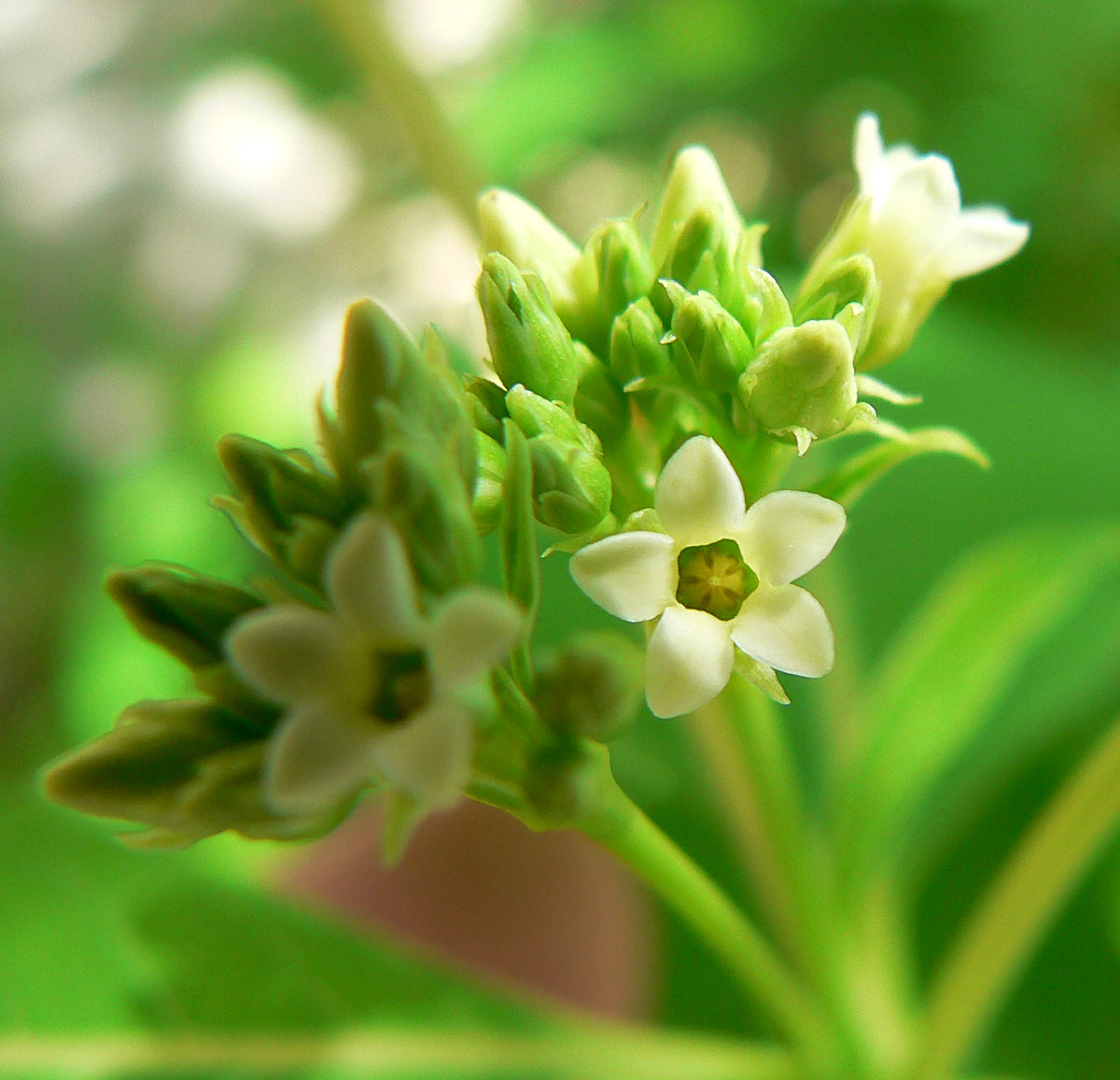


Characteristics
Plants in this family take many forms, including trees, shrubs, herbs and lianas. A common trait is milky latex or sap, often containing alkaloids, cardiac glycosides or other bioactive compounds. Leaves are usually simple and opposite or whorled; flowers are frequently tubular or bell-shaped and arranged to favor specialized pollinators. In the former milkweed group now included here, pollen can be packaged into pollinia, a distinctive pollination adaptation.
Taxonomy and history
Modern classifications (APG) have merged the former milkweed family (Asclepiadaceae) into Apocynaceae as a subfamily, broadening the family’s circumscription. This revision reflects molecular and morphological evidence and explains the presence of diverse floral and pollination strategies within a single family. Botanical study of Apocynaceae has long focused on its complex flowers, chemistry and wide range of growth habits.
Uses, ecology and notable genera
Several species are grown as ornamentals (for example oleander and frangipani), while others yield important medicinal compounds — notably Catharanthus species that produced anticancer alkaloids and Rauvolfia species used historically for alkaloid drugs. Many members are toxic if ingested and were used traditionally as poisons or medicines. Ecologically, some species serve as host plants for specialized insects, including butterflies that depend on milkweed-like members for their larvae.
Notable facts
- Nerium (oleander): widely cultivated ornamental, highly toxic.
- Catharanthus (Madagascar periwinkle): source of vincristine and vinblastine used in cancer treatment.
- Apocynum (dogbane): plants that gave the family its common name and were used for cordage.
- Former Asclepiadaceae: now treated as the subfamily Asclepiadoideae within Apocynaceae.
Because of its chemical diversity and attractive flowers, Apocynaceae is important to horticulture, medicine and ecological studies. For further general information see botanical overviews and floristic treatments linked by family and order names.
Tags
Related articles
Author
AlegsaOnline.com Apocynaceae — the dogbane and oleander family Leandro Alegsa
URL: https://en.alegsaonline.com/art/4894