
Coriander (Coriandrum sativum): herb, spice and culinary uses
Coriander (Coriandrum sativum) is an annual herb in the carrot family, grown for its aromatic leaves (cilantro) and seeds (coriander); used worldwide in cooking, medicine and cultivation.
Coriander (Coriandrum sativum) is an annual aromatic plant grown both as a leafy herb and for its dried seeds. The fresh leaves are commonly called cilantro or Chinese parsley, while the dried seeds and ground spice are referred to as coriander. It belongs to the carrot or parsley family and is widely cultivated for culinary, aromatic and traditional medicinal uses; see a general herb overview at coriander and botanical context in the Apiaceae family (plant family reference).
Image gallery
6 Images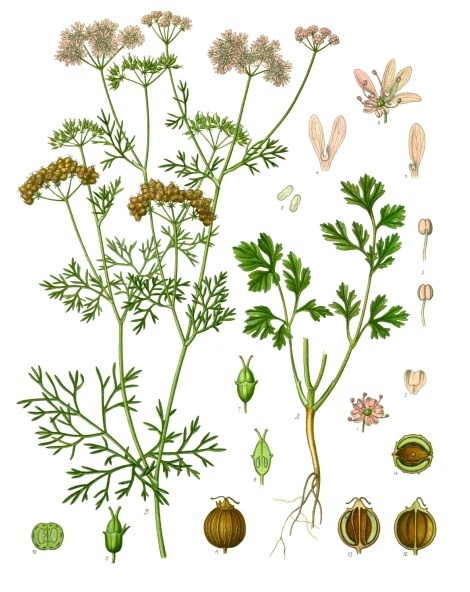


Characteristics and parts
Coriander plants have delicate, lobed green leaves and small white or pinkish flowers that develop into round, brownish seeds. The leaves deliver a fresh, citrusy — sometimes soapy to some palates — aroma, while the seeds have a warm, nutty, lemony scent when crushed. Essential oils such as linalool contribute to these characteristic fragrances. Both leaves and seeds are used but in quite different ways.
Origin and history
Native to regions from southwestern Asia to north Africa, coriander has a long recorded history of cultivation and use in many cultures across the Mediterranean, South Asia and beyond. Early trade and migration spread the plant widely; modern cuisine reflects a global adoption from its original range (southwestern Asia to north Africa).
Uses and importance
- Culinary: fresh leaves are used raw or as a garnish in salsas, chutneys, soups and salads; seeds are toasted and ground for spice blends, pickling and baking.
- Medicinal and traditional: various cultures brew or infuse plant parts for digestive relief, mild antiseptic applications or to ease cold symptoms; for example, in Sri Lanka the herb is known in Sinhalese as koththamuhlli.
- Economic and cultural: coriander is an important ingredient in many regional cuisines and spice trades, prized for its dual use as both herb and spice.
Cultivation and selection
Coriander is typically grown as a quick-maturing annual in temperate climates. Sow directly where it will grow: thin, well-drained soil and regular light watering suit it best. Leaves are harvested earlier in the plant’s life; seeds are collected after flowering and pod drying. When buying, select bright, fragrant leaves for fresh use and whole seeds for longer storage.
Notable distinction: in many English-speaking regions the term "cilantro" refers to the fresh leaves while "coriander" denotes the seeds or the whole plant. This distinction helps cooks and consumers choose the correct form for recipes and preserves the plant’s long culinary versatility.
Related articles
Author
AlegsaOnline.com Coriander (Coriandrum sativum): herb, spice and culinary uses Leandro Alegsa
URL: https://en.alegsaonline.com/art/23073