
Fennel (Foeniculum vulgare): description, uses and history
Fennel is a perennial herb native to the Mediterranean and parts of Asia. Its bulb, fronds and seeds are edible; used as a vegetable, spice and traditional remedy with a licorice-like flavor.
Overview
Fennel (Foeniculum vulgare) is a hardy perennial herb grown for its edible bulb, feathery leaves and aromatic seeds. It is classed as an aromatic herb and is valued in kitchens and gardens for a sweet, anise-like scent and versatile culinary uses. The species is native to the Mediterranean basin and has a long history of cultivation and naturalization in parts of Asia and other temperate regions.
Image gallery
10 Images





Description and plant parts
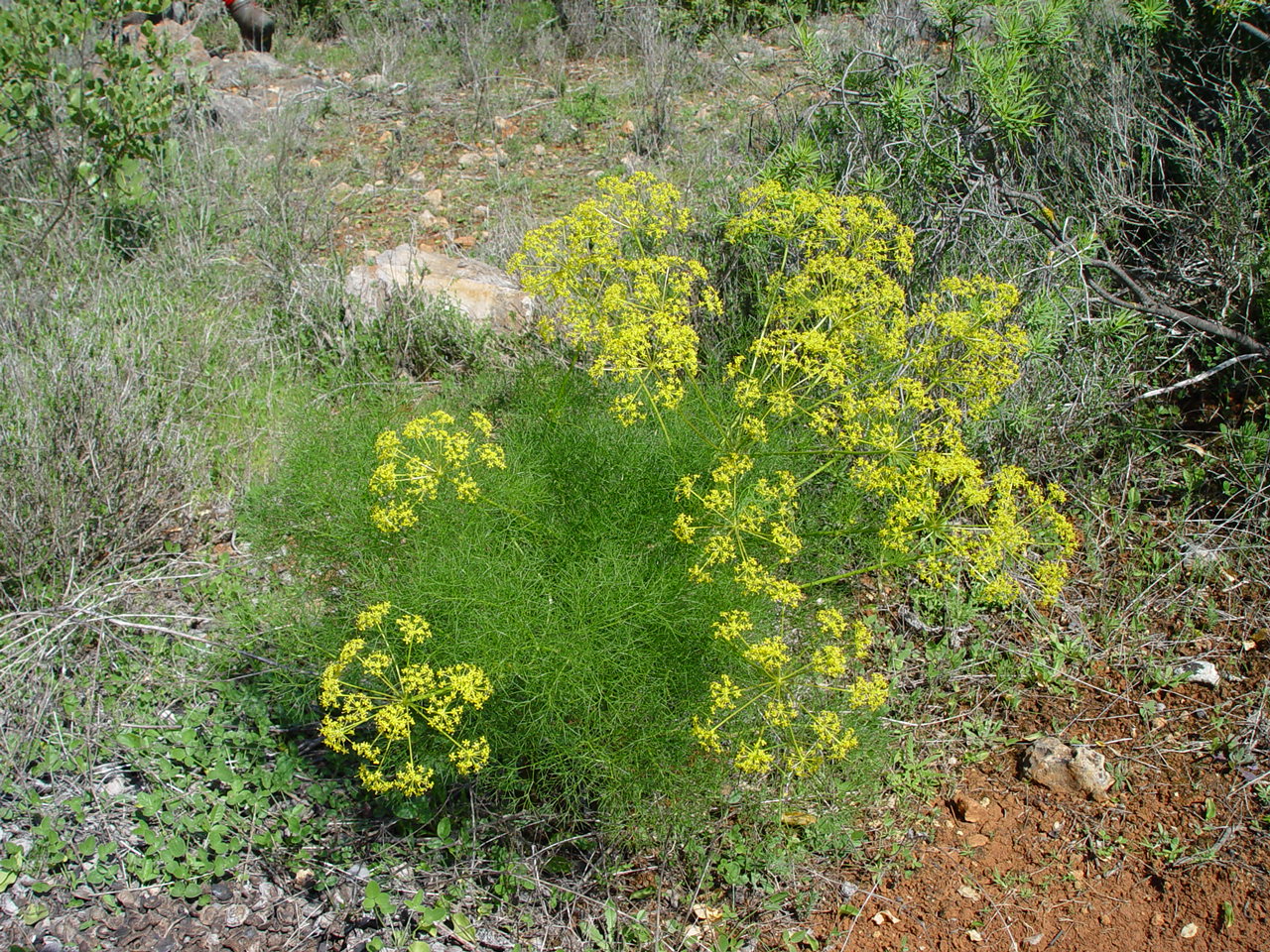
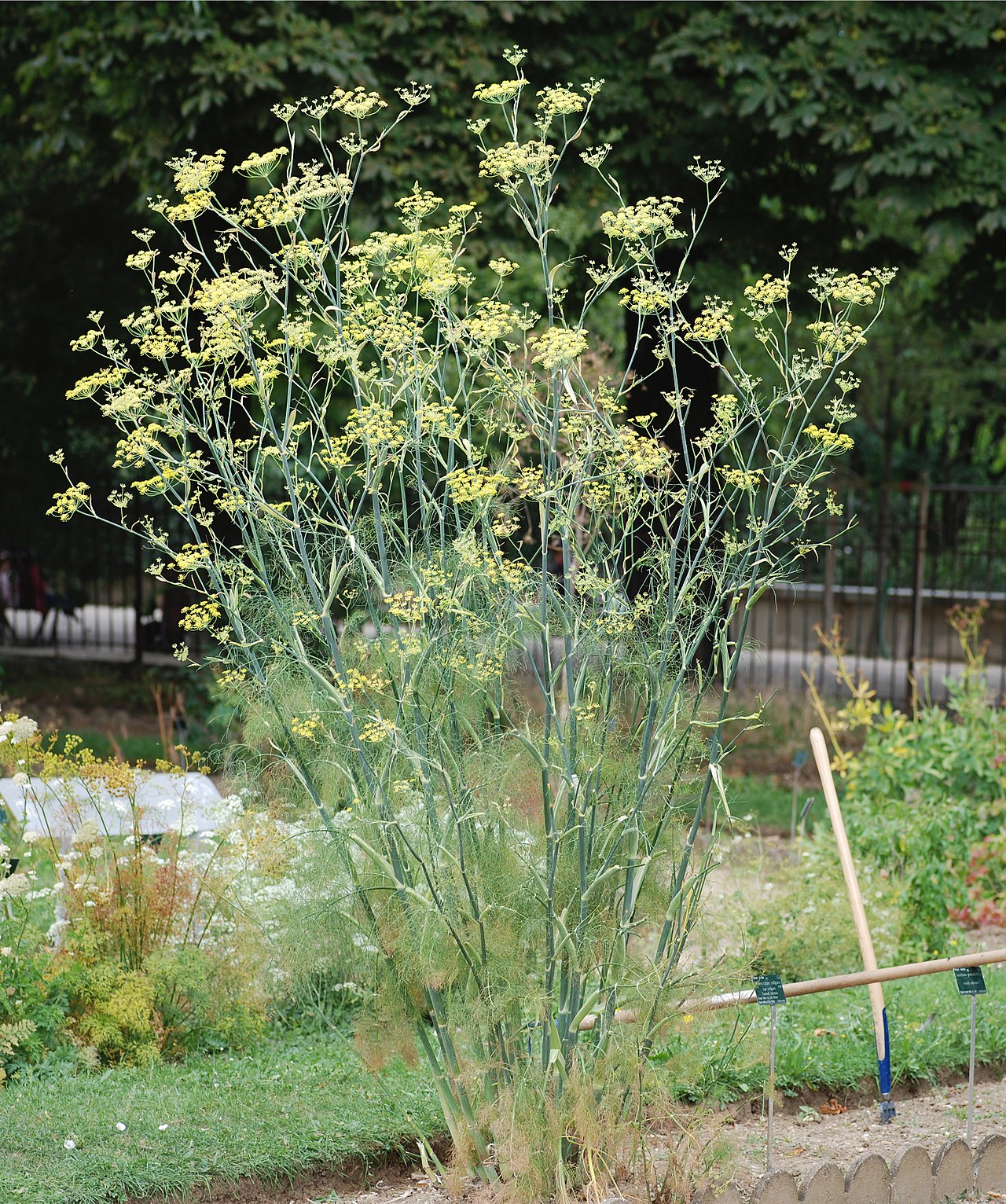
Fennel forms a bulbous, layered base in some cultivated varieties, tall hollow stems, and delicate, thread-like fronds. The plant produces umbrella-shaped (umbel) clusters of tiny yellow flowers followed by paired dry fruits commonly referred to as seeds. Commonly used parts include the crisp white bulb, the fine green leaves or fronds, and the dried seeds, each offering different textures and intensities of flavor.
Cultivation and varieties
Gardeners grow several forms of fennel: bulb varieties (often called Florence or finocchio) for vegetable use, seed types cultivated for spice production, and ornamental fennel for foliage. The plant prefers sunny sites and well-drained soil; many types self-seed freely and can become persistent volunteers in suitable climates. Harvest timing differs by use: bulbs are dug when swollen, seeds are collected after flowering and ripening.
Culinary uses
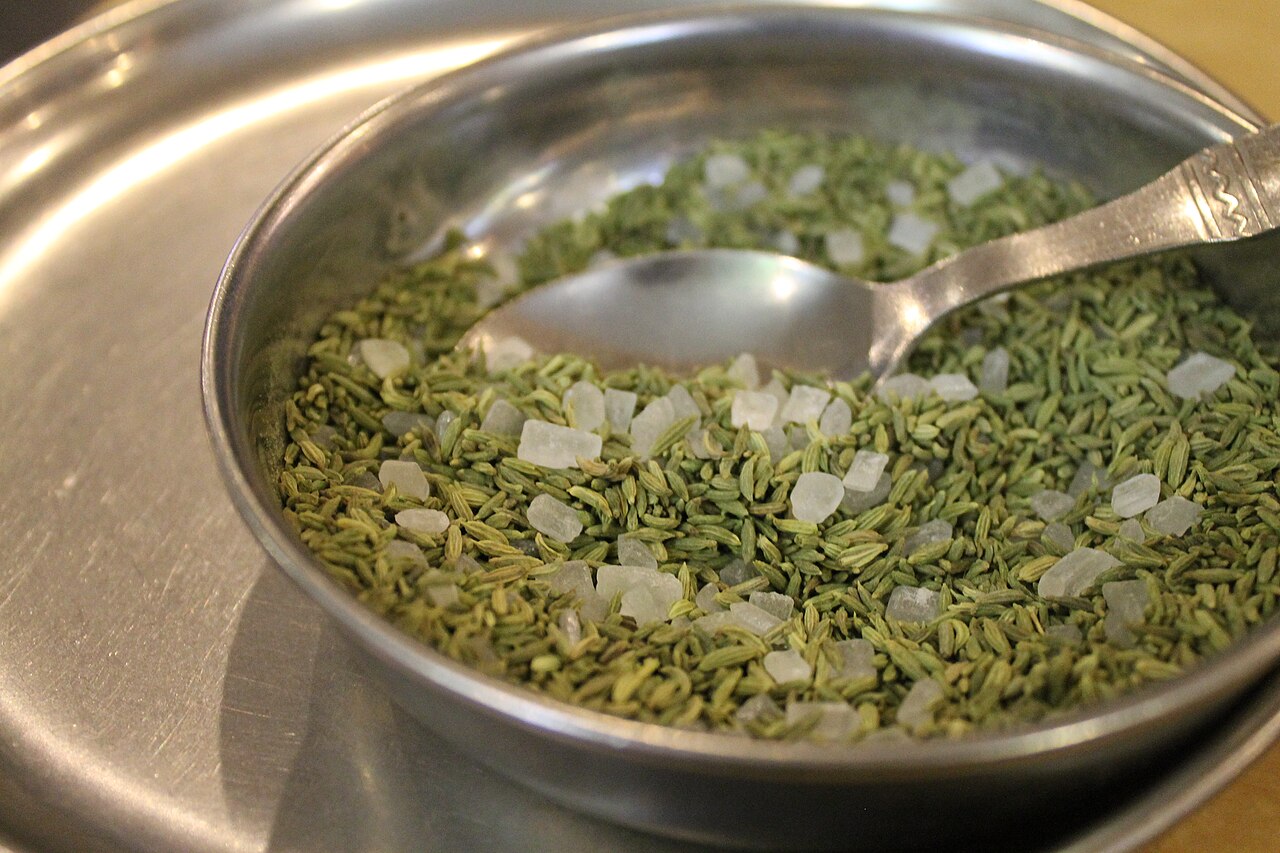
All edible parts of fennel are used in cooking. Dried fennel seeds function as a common spice, used whole or ground in breads, sausages, pickles and spice blends. Fresh bulb can be sliced raw into salads or cooked (roasted, braised, grilled) as a vegetable; fronds are used as a fresh herb and garnish. Fennel is valued for flavoring fish, pork, soups, stews and sauces, and for the sweet, licorice-like note that complements citrus and savory ingredients.
History and cultural notes
Fennel has been important since antiquity in Mediterranean cuisine and folk practice. In medieval Europe it was among botanicals used to season beverages and wines; historical references describe spiced wines and related preparations such as regional forms of claret that incorporated aromatic herbs. The plant has symbolic and medicinal associations in several cultures and appears in traditional recipes across southern Europe and Asia.
Traditional uses and chemistry
Fennel has been used in traditional remedies, often for mild digestive complaints and to freshen breath. Much of the characteristic taste comes from volatile compounds such as anethole, which gives an anise-like aroma. Fennel oil and seed infusions appear in folk pharmacopeias, though modern medical guidance recommends consulting qualified sources before using plant products therapeutically.
Pests, storage and notes
Pests and diseases are generally moderate; aphids and certain caterpillars may feed on fennel, and good garden hygiene helps limit problems. Seeds store well when kept dry and cool; bulbs keep better when used soon after harvest. Varieties chosen for seed production differ from those grown for large edible bulbs, and gardeners select cultivars accordingly. Historical and culinary references often use terms like claret in ways that vary by period and region, so consult specialized sources for detailed historical accounts.
Related articles
Author
AlegsaOnline.com Fennel (Foeniculum vulgare): description, uses and history Leandro Alegsa
URL: https://en.alegsaonline.com/art/33985