
Dill (Anethum graveolens): description, cultivation, and culinary uses
Dill (Anethum graveolens) is a feathery annual herb in the carrot family, grown for its aromatic leaves and seeds and used widely in cooking, pickling, and traditional remedies.
Dill (Anethum graveolens) is a short‑lived annual herb in the Apiaceae (carrot) family, valued for its delicate, feathery foliage and aromatic seeds. It is grown primarily as a culinary herb but also has a long history of use in folk medicine, gardens and agriculture. For botanical context see botanical profiles.
Image gallery
8 Images


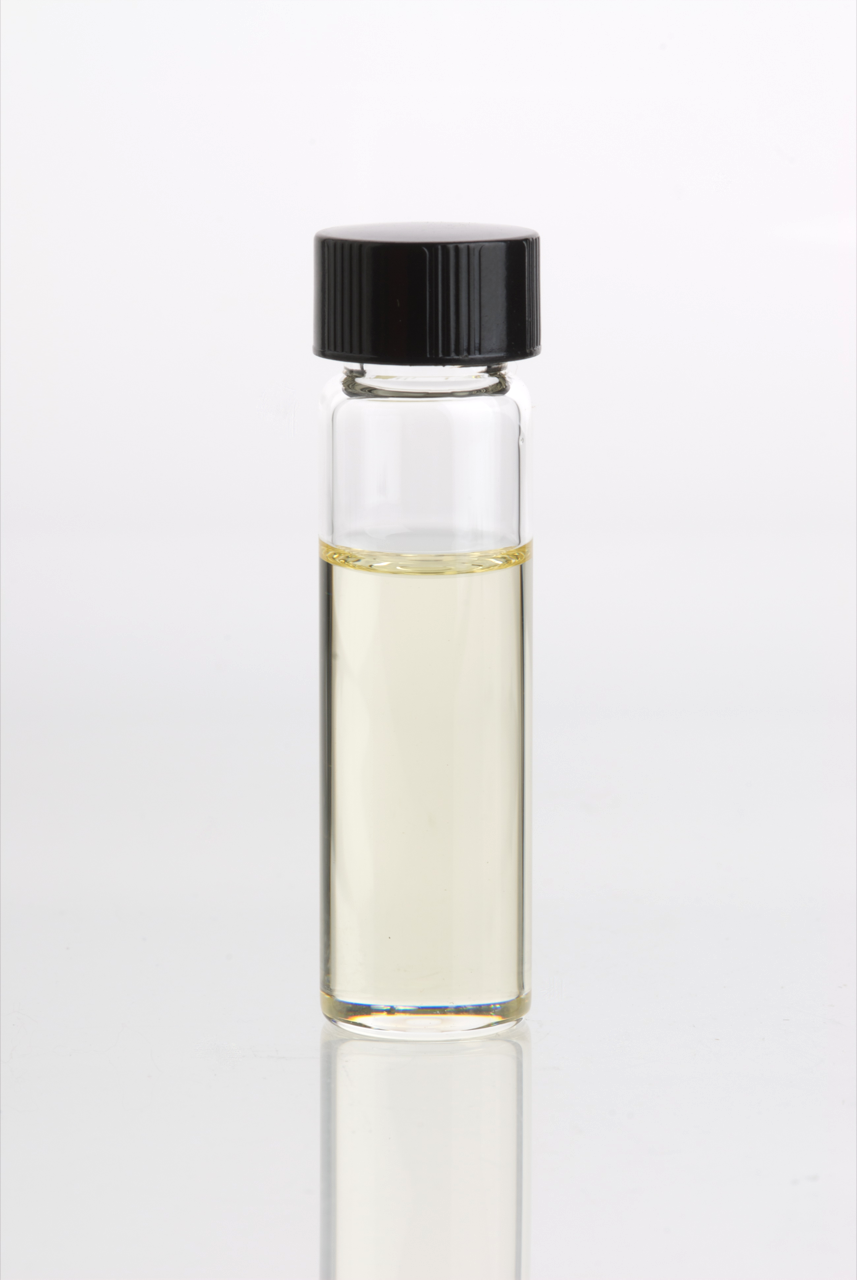
Characteristics and parts
Dill produces slender, hollow stems and finely divided leaves commonly called "dill weed." In mid to late summer it forms flat‑topped clusters of tiny yellow flowers (umbels) that develop into elongated, oval seeds. Key parts include:
- Leaves (dill weed) – tender, used fresh or dried for flavoring.
- Seeds – used as a spice and in pickling; more pungent than the leaves.
- Flowers – attract insects and can be used as an ornamental element.
History and cultivation
Dill is native to regions of the Mediterranean and parts of western and central Asia and has been cultivated for centuries in Europe and Asia. It prefers full sun, cool to moderate climates, and well‑drained soil. Because dill has a long taproot, seedlings do not transplant well; direct sowing is commonly recommended. Home gardeners often succession‑sow for a continuous supply of fresh leaves.
Culinary and other uses
Dill is widely used in northern, eastern and central European, Middle Eastern and Mediterranean cuisines. Fresh leaves are added to salads, yogurt sauces, soups, fish, and egg dishes; seeds are commonly used in pickling and in spice blends. Beyond the kitchen, dill flowers and foliage attract pollinators and beneficial predatory insects, making it useful in ecological gardening. For culinary techniques and recipes consult culinary uses.
Varieties, distinctions and cautions
There are several cultivar types, including strains selected for leaf production and others for seed yield. Dill is sometimes confused with fennel or anise because of similar feathery foliage or licorice‑like notes, but it is a distinct genus and flavor profile. Those with sensitivities to plants in the carrot family should use caution. For growing advice and herb care see herb guides.
Overall, dill is a versatile, easy‑to‑grow herb prized for its light, tangy flavor and its role in both kitchens and ecological gardens.
Related articles
Author
AlegsaOnline.com Dill (Anethum graveolens): description, cultivation, and culinary uses Leandro Alegsa
URL: https://en.alegsaonline.com/art/27431