
Italian Renaissance
Cultural and intellectual revival that began in 14th‑century Italy, renewing classical learning and transforming art, science, literature and society across Europe.
Overview
The Italian Renaissance, known in Italian as the Rinascimento, was the earliest phase of the wider European Renaissance. It represented a long period of cultural change that began in Italy in the late 14th century and continued into the 17th century. The term itself was popularized in modern usage by writers such as the French historian Jules Michelet, and many later historians have debated its scope and priorities. The origin of the word links to the French term for a "rebirth," reflecting renewed interest in earlier models of thought and expression.
Image gallery
10 Images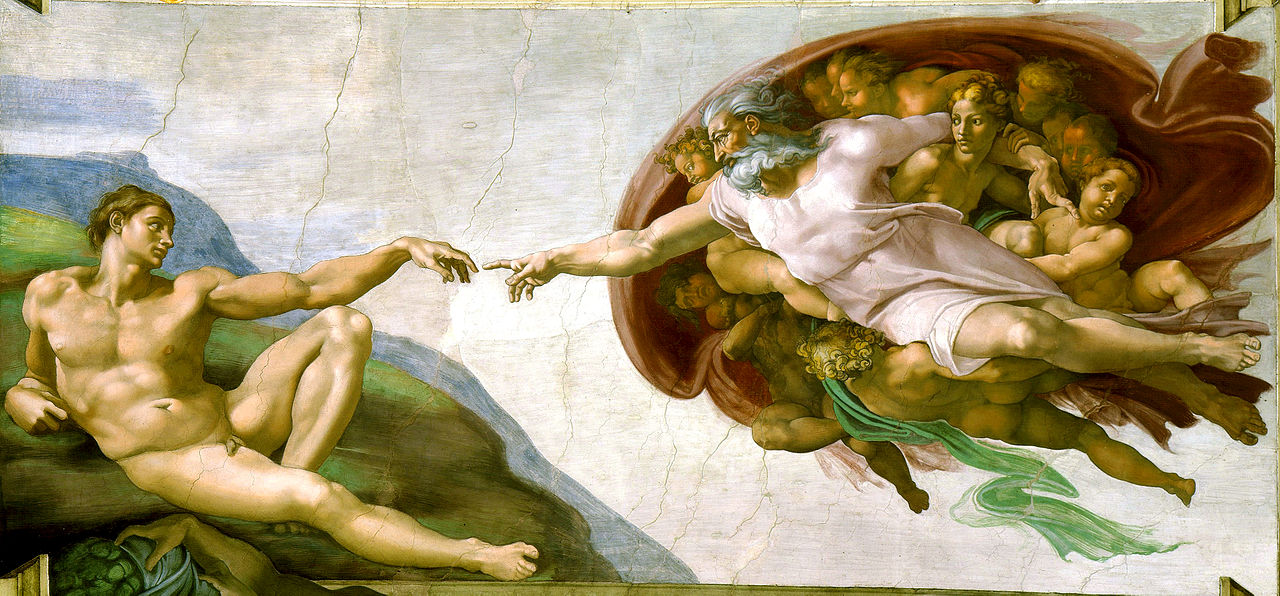
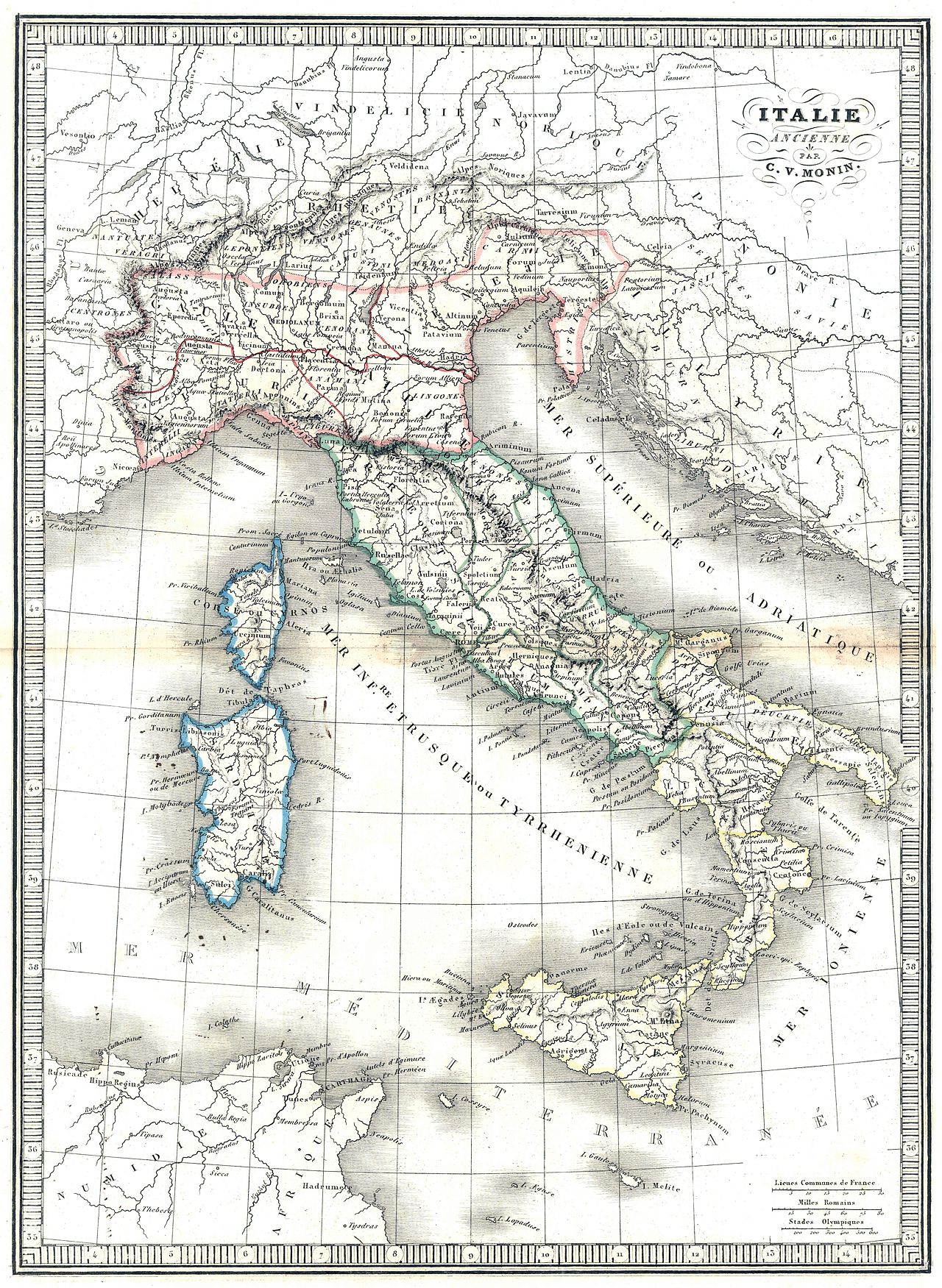



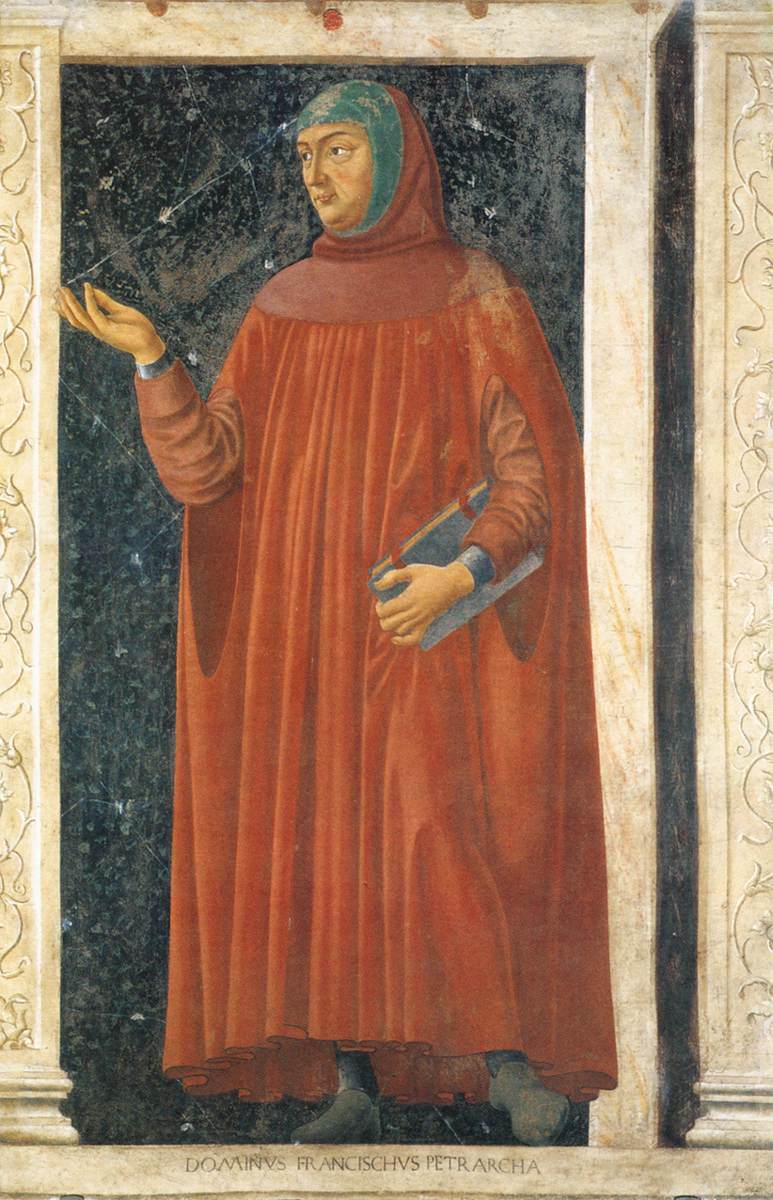
Origins and chronology
The movement began unevenly: artistic, literary and scholarly developments appeared first in urban centres and courts where money, trade and politics created audiences for change. Humanist scholars sought to recover and study texts of classical antiquity, which fed new methods in education and civic life. This intellectual trend, commonly called humanism, emphasized rhetoric, history and moral philosophy as instruments for public life as well as private cultivation.
Art, architecture and technique
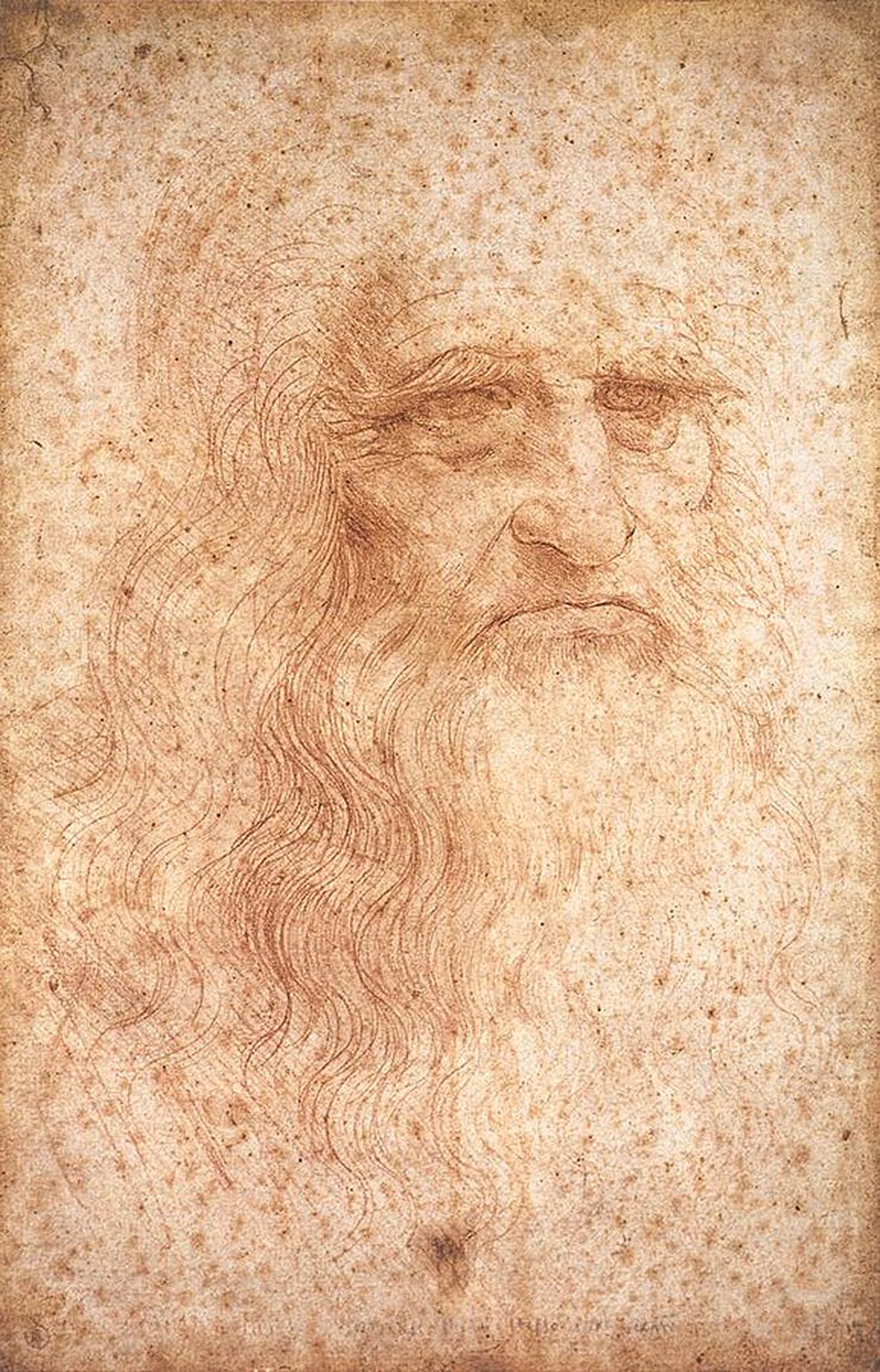
Artistic innovation was among the most visible features of the Italian Renaissance. Advances in perspective, anatomy, composition and materials reshaped painting, sculpture and architecture, creating works that balanced observation with formal order. Artists engaged with classical motifs while developing distinctive pictorial techniques, and patrons supported ambitious public buildings and private collections. The period produced some of the era's most celebrated creators and masterpieces; for example artists associated with art such as Leonardo da Vinci worked across disciplines and are linked with iconic works like the Mona Lisa.
Literature and performance
Literary culture expanded alongside visual art. Poets, historians and dramatists revived classical genres while experimenting with vernacular forms. The years around the later Renaissance saw dramatic innovation and performances; dramatists in various countries wrote plays, and figures such as William Shakespeare in England exemplify the broader theatrical growth that drew on and adapted Renaissance ideas.
Science, technology and exploration
The period fostered empirical observation and practical inquiry in what we now call science, as scholars combined close study of nature with mechanical invention. Printing technology played a decisive role: the spread of movable type through the work of innovators such as Johannes Gutenberg accelerated distribution of texts and learning and helped establish more uniform scholarly discourse; this transformation is often referred to simply as printing. At the same time, maritime expeditions and commercial ventures expanded European horizons: voyages led by navigators such as Christopher Columbus reached the Americas, creating profound and complex global connections.
Religion and reform
Religious life was also transformed. The rediscovery of classical learning and new methods of reading texts affected theological debate, contributing to pressures for reform. Movements that questioned established practices and doctrines culminated in large-scale changes in some regions; figures such as Martin Luther became central to movements that reshaped ecclesiastical structures and beliefs. At the same time, many artists and intellectuals remained engaged with traditional religious patronage and themes.
Political and economic context
City-states, principalities and papal territories provided varied political frameworks that influenced how Renaissance culture took shape. Wealth from banking, trade and agriculture funded building programs, libraries and scientific instruments. Patrons ranged from civic governments to princely households and ecclesiastical authorities; their support determined much production and innovation, while rivalries and alliances helped circulate artists, books and ideas across regional boundaries.
Centers and dissemination
- Florence: a hub of artistic, financial and humanist activity that served as an engine of early innovations.
- Rome: where papal patronage fostered monumental architecture and sculpture.
- Venice: a maritime republic whose commerce and printing industry supported distinctive cultural forms.
- Northern connections: as ideas moved beyond Italy they influenced developments in Northern Europe and elsewhere, adapting to local political and religious conditions.
Legacy
The Italian Renaissance left a durable cultural legacy: new approaches to art and scholarship, changes in education and institutions, and innovations in technique and media. Its effects were uneven, contested and often regionally specific, but the period is widely regarded as a major bridge between medieval traditions and the modern world. For readers seeking further study, modern scholarship continues to refine understandings of chronology, social context and the varied meanings of "rebirth" across different communities and disciplines.
For concise introductions and primary-source collections, consult established surveys and curated editions that gather literature, art historical commentary and translations. Libraries and academic publications remain the principal routes to reliable synthesis and to the primary materials that illuminate this complex and influential era.
Related topics and figures are often discussed under thematic headings such as classical antiquity, humanism, science, religion, art and exploration, each of which opens further paths for research.
Questions and answers
Q: What is the Italian Renaissance?
A: The Italian Renaissance was a period of great cultural change and achievement that began in Italy during the 14th century and lasted into the 17th century, marking the gradual transition from Medieval to Early Modern Europe.
Q: When did it start?
A: Some parts of the Italian Renaissance can be traced back to the earlier part of the 14th century, while other parts did not happen until the end of that century.
Q: What does "renaissance" mean?
A: The French word renaissance (Rinascimento in Italian) means "Rebirth". It refers to a renewed interest in classical antiquity culture.
Q: Who were some notable figures during this time?
A: During this period William Shakespeare wrote his plays, Leonardo da Vinci painted the Mona Lisa, Martin Luther had started a new religious movement, Christopher Columbus discovered the Americas and Johannes Gutenberg introduced printing to Europe.
Q: How did it spread northward?
A: As it moved northward, it changed from being primarily a classical movement into more of a religious movement.
Q: Who coined the term "renaissance"?
A: The term "renaissance" was first used in 1858 by French historian Jules Michelet.
Related articles
Author
AlegsaOnline.com Italian Renaissance Leandro Alegsa
URL: https://en.alegsaonline.com/art/48605
Sources
- history.com : "Italian Renaissance"
- nytimes.com : "The Renaissance A Short History"
- gohistorygo.com : "Italian Renaissance"