
Printing: methods, history, and social impact
Overview of printing: how it transfers ink to paper, major techniques, historical development from woodblock and movable type to digital, and its cultural and economic effects.
Overview
Printing is the mechanical transfer of text and images onto a substrate such as paper so that many copies can be produced quickly and consistently. Traditional outputs include books and newspapers, but printing also serves packaging, posters, banknotes and artworks. The process normally uses ink applied by specialized machines, often grouped under the name printing presses.
Image gallery
10 Images




How printing works
At its core, printing requires three elements: an image carrier (type, plate, screen), a transfer method (pressure, light, electrostatic force) and a receiver (paper, cardboard, fabric). Modern plants combine mechanical feeders, image-making systems, drying units and finishing equipment. In many processes ink is formulated for adhesion, color and drying speed; other processes use toner or pigments instead of liquid ink.
Principal techniques
Several families of printing processes are in common use:
- Relief printing (e.g., letterpress): raised areas carry ink and press against the substrate.
- Intaglio (engraving and etching): recessed areas hold the ink and transfer it under pressure, used for secure documents.
- Lithography and offset: image areas are chemically treated on a flat plate; offset presses transfer ink from plate to blanket to paper and dominate high-volume commercial work.
- Screen printing: ink is forced through a mesh stencil, common for textiles and signs.
- Flexography: a modern relief process for packaging and flexible materials.
- Digital printing: inkjet and electrophotographic systems print directly from electronic files, ideal for short runs and variable data.
History and development
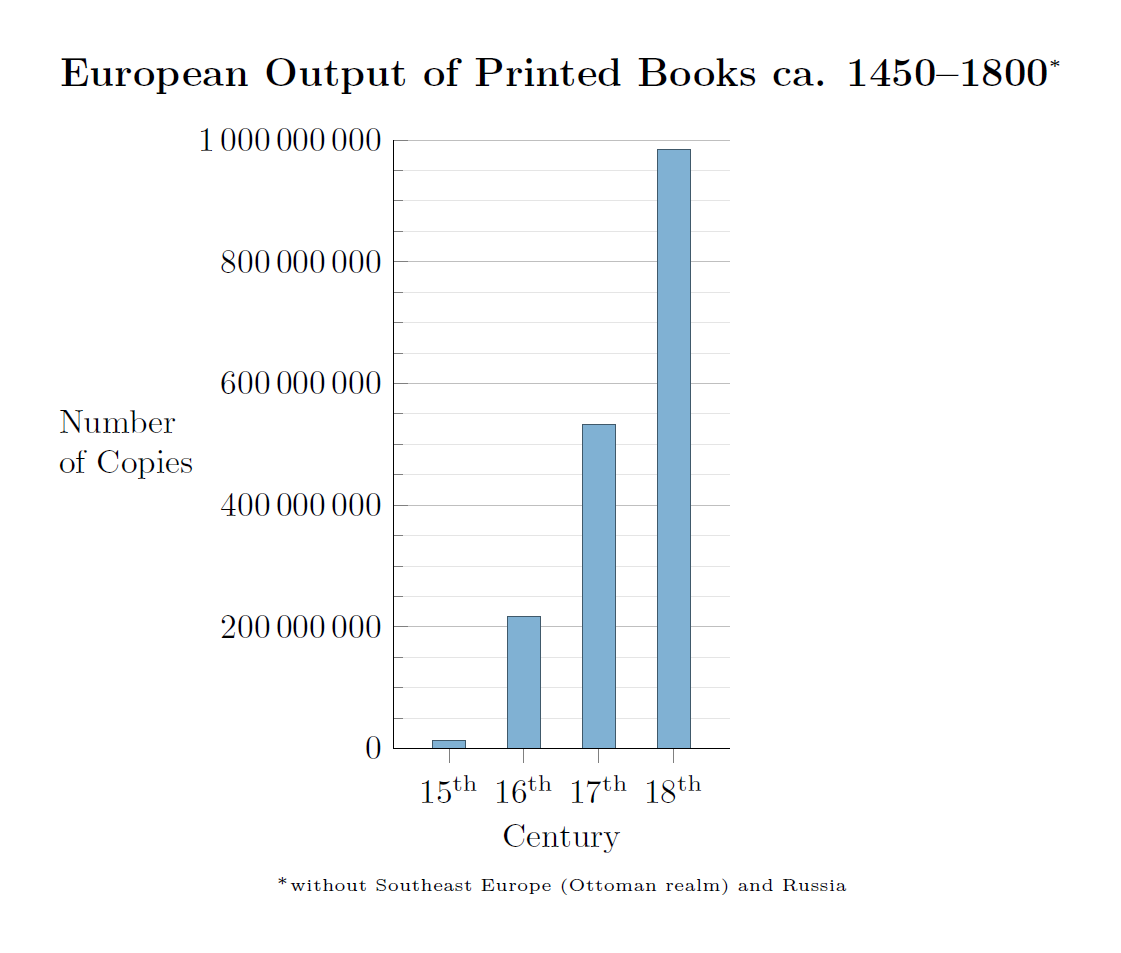
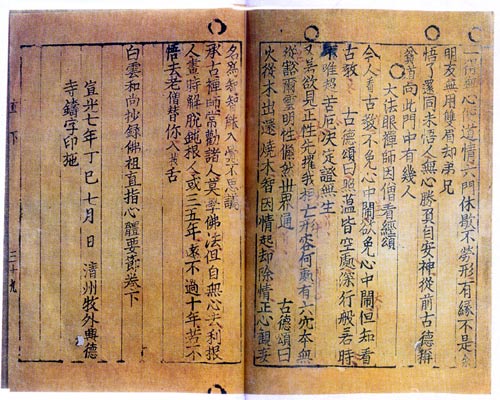
Human printing has roots in ancient block-printing techniques used in East Asia and Europe. The introduction of movable metal type in Europe in the mid-15th century is widely associated with Johannes Gutenberg and marked a turning point for mass-produced textual work. Industrial advances in the 18th and 19th centuries — powered presses, mechanized paper and faster inks — raised throughput and lowered costs. In the late 20th century digital methods began to supplement traditional presses, allowing print runs to shrink and personalization to grow while preserving the role of mechanical reproduction as an extension of writing.
Uses and significance
Printing underpins modern communication, education and commerce. It made widespread distribution of ideas possible, contributed to higher literacy rates, and enabled standardized records in law, science and government. Today print coexists with electronic media: books and newspapers remain important cultural and archival formats, while packaging and labels are critical to manufacturing and retail supply chains.
Notable distinctions
Choosing a printing method depends on volume, substrate, color requirements and cost. Offset remains cost-effective for large newspaper and book runs; flexography is preferred for continuous web printing of packaging; screen printing excels for thick inks and non‑flat surfaces; digital techniques are best for small batches and fast turnaround. Advances in sustainable inks and waste reduction are shaping the industry’s future.
For practical introductions and technical standards, consult industry guides and technical manuals or the resources linked below: materials, publishing, periodicals, inks and consumables, equipment, press technology, history of writing.
Questions and answers
Q: What is printing?
A: Printing is the process of putting words and images on paper by mechanical means.
Q: What is the ink used in printing?
A: The images in printing are usually formed by ink.
Q: How are books and newspapers made?
A: Books and newspapers are made by printing.
Q: What are printing presses?
A: Printing presses are machines used for putting ink on paper.
Q: How has printing technology changed the world?
A: Printing technology has changed the world by providing an efficient way to multiply writing and make copies available to all people.
Q: What is the significance of printing?
A: Printing is the continuation of writing by mechanical means, making it an essential tool for sharing information and knowledge.
Q: What types of media involve printing?
A: Books, newspapers, and other printed materials involve the use of printing.
Related articles
Author
AlegsaOnline.com Printing: methods, history, and social impact Leandro Alegsa
URL: https://en.alegsaonline.com/art/79245
Sources
- portal.unesco.org : Memory of the World