
Italian resistance movement (Resistenza)
The Italian resistance (la Resistenza) was a diverse partisan movement that fought Nazi Germany and the Italian Social Republic from 1943–1945, shaping Italy's liberation and postwar republic.
Overview
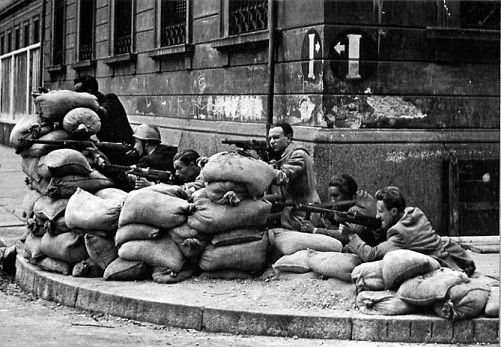
The Italian resistance movement, often called la Resistenza, was a loose coalition of anti-fascist fighters and civilian networks active during World War II. Between September 1943 and April 1945 they opposed the occupying German forces and the fascist Italian Social Republic. Members, commonly known as partigiani, came from many political backgrounds and social classes and coordinated military actions, sabotage, and civil protection that contributed to the liberation of Italian cities.
Image gallery
10 Images





Composition and organization
The movement included formal and informal groups ranging from communist brigades to liberal and conservative formations. Notable strands included communist-led units, republican and actionist groups, socialist detachments, Catholic-oriented formations, and regional bands tied to local communities. Some units operated in mountains and countryside, others engaged in clandestine urban work. Their organization varied by region and by the availability of weapons, intelligence, and allied support.
Activities and methods
Partisan work combined armed and non‑military efforts. Common activities were:
- Guerrilla attacks on German and fascist patrols
- Sabotage of railways, bridges, and communication lines
- Intelligence gathering and courier networks to aid Allied operations
- Protection and evacuation of civilians, escaped prisoners, and Jews
- Civic organization in liberated zones to maintain order
Groups received varying degrees of support from the Allies, including clandestine supplies and occasional airdrops. The movement's tactics sought to tie down enemy forces and facilitate conventional Allied advances.
Historical context and key events
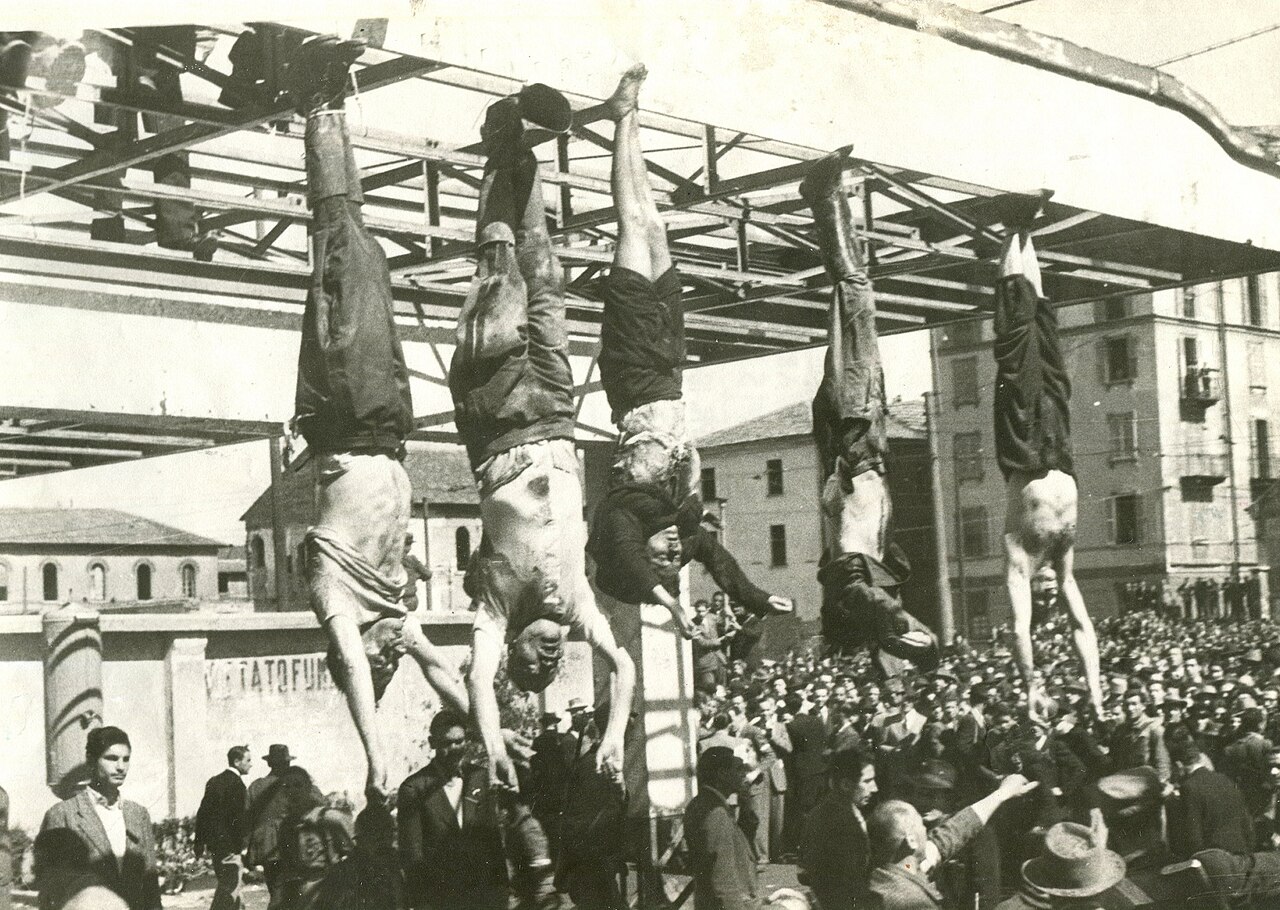
The uprising gained momentum after Italy's armistice in September 1943, when German forces occupied much of the country and the fascist Italian Social Republic was established. Resistance intensified through 1944 and culminated in a coordinated insurrection in April 1945. In several cities, local partisan commands rose up, contributing to the collapse of fascist authority and the retreat of German troops. The period also saw harsh reprisals and atrocities, which left deep social scars.
Legacy and significance
The Resistenza played a decisive role in Italy's transition from monarchy and fascism toward a democratic republic. Its members influenced postwar politics and public memory, and national Liberation Day on April 25 commemorates the movement's final insurrection. The resistance left a complex legacy—celebrated for its contribution to freedom and criticized at times for postwar political tensions—but its impact on Italy's constitution and collective identity remains widely acknowledged.
Further reading and context
For broader context about the conflict and the opponents the partisans faced, see materials on World War II (WWII), the German occupation (Nazi Germany) and the fascist rump state known as the Italian Social Republic (Italian Social Republic). Introductory resources on partisan formations and resistance strategies can be found through specialist histories and archived documents about anti-fascist groups (partisan groups).
Related articles
Author
AlegsaOnline.com Italian resistance movement (Resistenza) Leandro Alegsa
URL: https://en.alegsaonline.com/art/48606