
Exploration: motives, methods, history and consequences
An overview of exploration: its definition, historical development from human migrations to the Age of Discovery and space travel, methods and tools, motivations, and ethical and environmental consequences.
What is exploration?
Exploration is the deliberate search for knowledge about places, systems, ideas or phenomena that are not yet well known. It can be physical — traveling into new lands, seas or space — or conceptual, such as investigating a scientific question, an artistic direction, or a technological frontier. At its center is discovery: the act of finding new information, patterns or relationships that expand understanding. For more on what constitutes discovery see examples and definitions.
Image gallery
10 Images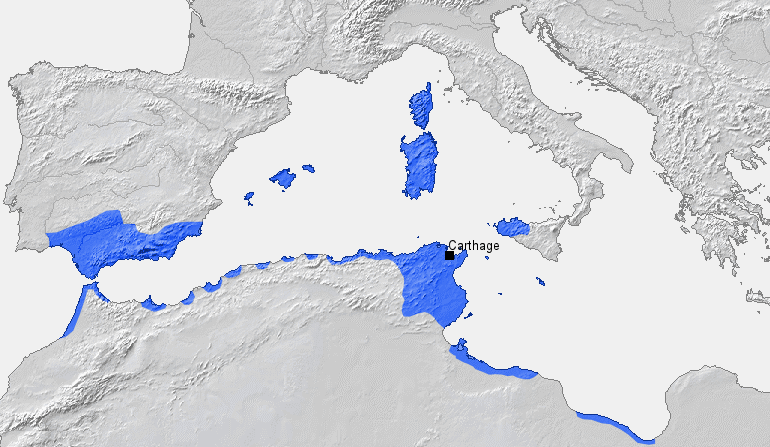





Key characteristics and methods
Exploration typically involves planning, tools, documentation and some degree of uncertainty or risk. Methods vary with the domain: navigation, surveying and mapping are central to geographic exploration; controlled experiments, observation and peer review underpin scientific inquiry; telescopes and probes extend investigation beyond Earth. Modern exploration also uses remote sensing, computational models and crowd-sourced data. For descriptions of common techniques consult technical resources and historical accounts at comparative studies.
Historical development
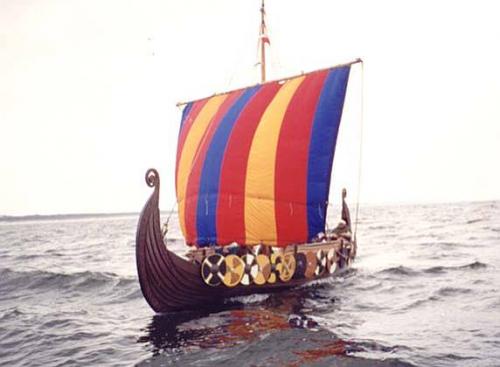
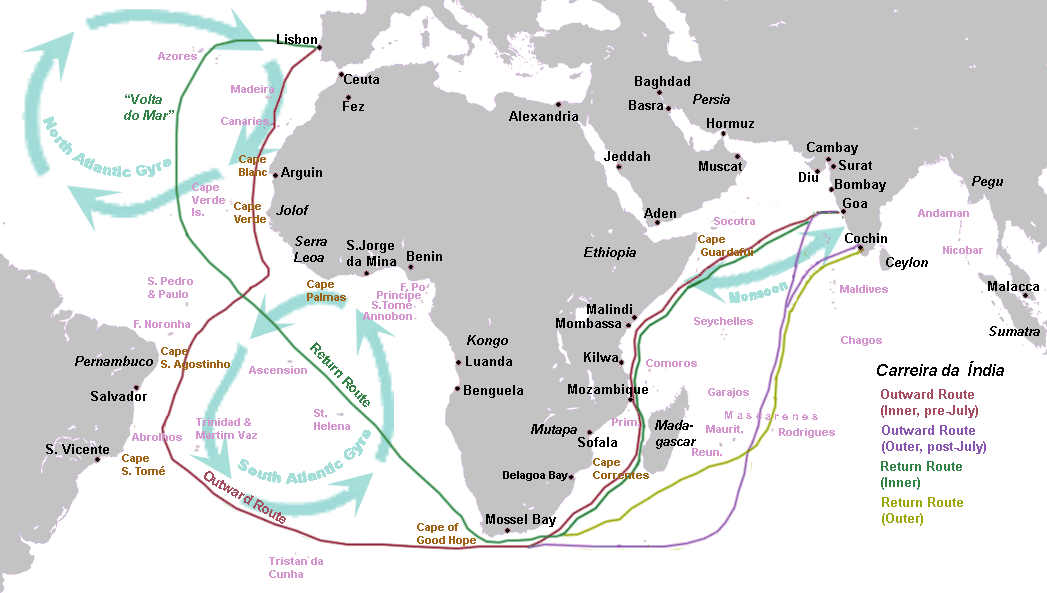
Humans have explored throughout prehistory and history. Early hominins and later Homo sapiens moved into new habitats over many millennia, extending their ranges across continents. While other hominins such as Neanderthals occupied large areas of Eurasia, modern humans developed patterns of long-distance movement and cultural exchange that led to global dispersal over hundreds of thousands of years. European maritime exploration in the late medieval and early modern periods, often called the Age of Discovery, further transformed geographic knowledge and contact between distant societies. See primary sources and timelines at migration studies, archaeological summaries, and detailed narratives at historical overviews.
Domains and examples
- Geographic exploration: mapping coastlines, crossing oceans, polar expeditions and deep-sea research supported by ships, submersibles and satellite mapping (oceans and polar research).
- Scientific exploration: laboratory and field work that probes biological diversity, climate systems, geology and fundamental physics (science institutes).
- Space exploration: robotic probes, crewed missions and telescopic surveys that extend observation beyond Earth (space programs).
- Cultural and intellectual exploration: artistic movements, philosophical inquiry and digital innovation that rethink ideas and forms (cultural resources).
Uses, importance and impacts
Exploration produces maps, data, technologies and cultural exchange. It can open trade routes, stimulate scientific breakthroughs and inspire art and literature. Yet exploration has also caused harm: contact between peoples sometimes produced disease, displacement and colonization; resource-driven expeditions have altered ecosystems. Contemporary exploration increasingly pairs discovery with conservation and ethical review to reduce negative effects. For policy discussions and case studies see ethical frameworks and environmental reports.
Understanding exploration means recognizing both its creative impulse — curiosity, wonder and the drive to know — and its responsibilities: rigorous methods, respect for affected communities and stewardship of environments and cultural heritage. Whether carried out by an individual scientist, an oceanographic vessel, a space agency or an artist, exploration reshapes what societies know and value, and it continues to be a central force in human change.
Questions and answers
Q: What is exploration?
A: Exploration is the act of searching an unfamiliar area in order to learn about it. It involves the discovery of new information.
Q: Why do humans explore even when they have everything they need where they are?
A: Humans are the only mammal that explores even when they have everything they need where they are.
Q: How long did Neanderthals exist for?
A: Neanderthals existed for hundreds of thousands of years in Eurasia.
Q: How long has it taken humans to explore and spread out to all the continents?
A: In less than 500,000 years humans have explored and spread out to all the continents.
Q: When was there a dramatic rise in exploration?
A: There was a dramatic rise in exploration during the Age of Discovery, when European explorers sailed and charted much of the rest of the world.
Q: Where have humans explored geographically?
A: Humans have explored geographically even into outer space.
Q: What else do humans explore besides geography?
A: Humans also explore ideas, art, and even the very nature of life.
Related articles
Author
AlegsaOnline.com Exploration: motives, methods, history and consequences Leandro Alegsa
URL: https://en.alegsaonline.com/art/32985
Sources
- boingboing.net : "How humans evolved to explore"
- beyondthemap.ca : "Why Explore?"
- ngm.nationalgeographic.com : "Who Were the Phoenicians?"
- ageofex.marinersmuseum.org : "Phoenician Exploration"
- phoenician.org : "Ancient Carthage"
- gatesofnineveh.wordpress.com : "High North: Carthaginian Exploration of Ireland"
- historyofinformation.com : "The Periplus of Hanno the Navigator"
- greeknewsagenda.gr : "Pytheas of Massalia: The First Scientific Explorer"
- ancientworlds.net : "The History of Viking Iceland"
- bbc.co.uk : "Leif Erikson (11th century)"
- history.com : "Marco Polo"
- the-map-as-history.com : "The Age of Discovery, Part 1"
- exploration.marinersmuseum.org : "Christopher Columbus, Explorer"
- exploration.marinersmuseum.org : "Vasco da Gama, Explorer"
- ngm.nationalgeographic.com : "Restless Genes"