
Jack the Ripper: the unidentified killer of Whitechapel, 1888
Overview of the Whitechapel murders attributed to 'Jack the Ripper', the canonical victims, investigative history, social context, suspects and cultural legacy of one of history's most notorious unsolved cases.
Jack the Ripper is the informal name given to an unidentified perpetrator who committed a series of brutal killings in London in 1888. The label and much of the contemporary notoriety came from press coverage and letters attributed to the attacker; modern scholars treat many of those documents with caution. The crimes took place primarily in the East End's Whitechapel district of London, England, and the name itself — "Jack the Ripper" — has come to signify this specific unsolved series of killings.
Image gallery
10 Images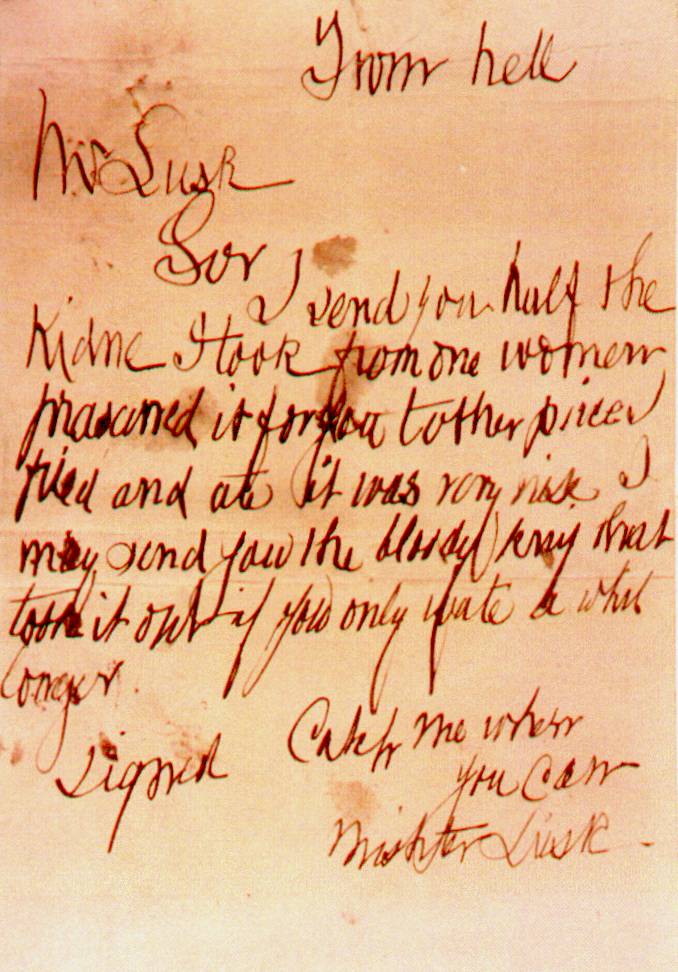



Context and environment
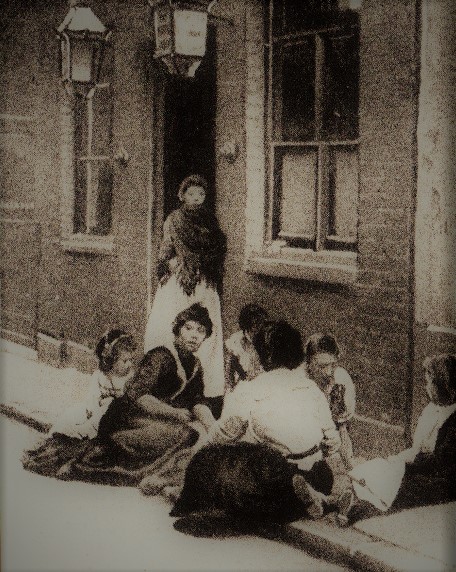
Victorian Whitechapel was marked by poverty and overcrowded housing, conditions often described in period reports as overcrowding. A visible street-based sex trade contributed to the victims' vulnerability and to public anxiety; commentators of the era used terms such as prostitution when describing the women targeted. The social and economic context shaped both where the crimes occurred and how they were investigated.
Victims and crime patterns
Scholars and police historians commonly accept five murders from late 1888 as the "canonical" or core cases associated with the killer. These victims are:
- Mary Ann Nichols — killed 31 August 1888 (age commonly given as 43)
- Annie Chapman — killed 8 September 1888 (often cited as 47)
- Elizabeth Stride — killed 30 September 1888 (often cited as 44)
- Catherine Eddowes — killed 30 September 1888 (often cited as 46)
- Mary Jane Kelly — killed 9 November 1888 (often cited as 25)
These cases shared certain elements — late-night attacks on women in poor areas, severe mutilation in some instances, and apparent removal of tissues — but investigators and historians debate which crimes are definitively linked. For discussion of the victims as a group see canonical five victims.
Investigation, correspondence and public reaction
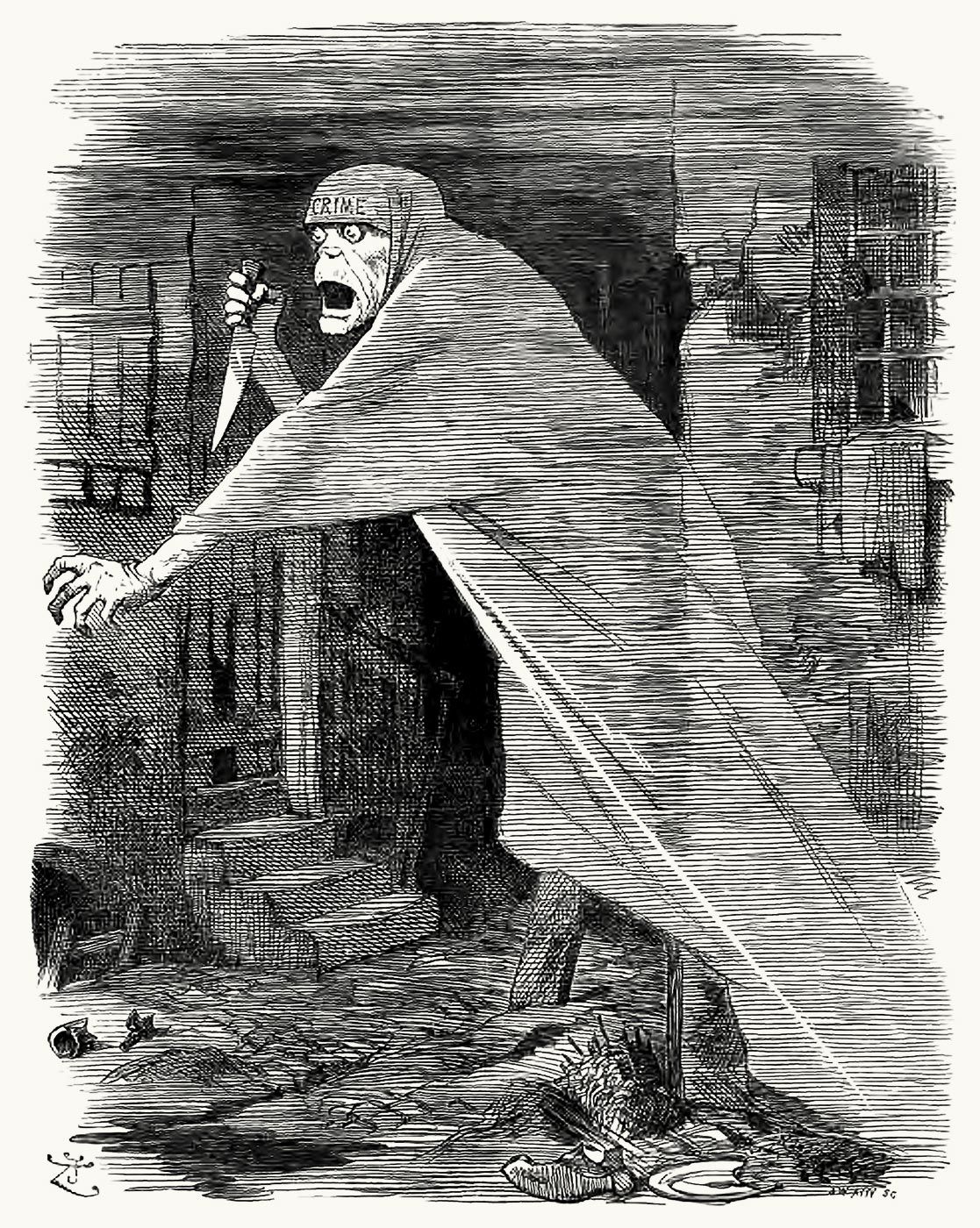
The killings prompted an intensive and sometimes chaotic response from local authorities and metropolitan detectives. Contemporary newspapers played a decisive role in shaping public perception; sensational reporting increased pressure on officials and fueled speculation (contemporary newspapers). Police efforts were extensive but hampered by limited forensic techniques; the official inquiries and later reviews are often summarized under police investigations. During the period police and press received many letters claiming responsibility or offering information; the infamous signature "Jack the Ripper" appeared on some of these, though many letters are now regarded as hoaxes.
Suspects, theories and legacy
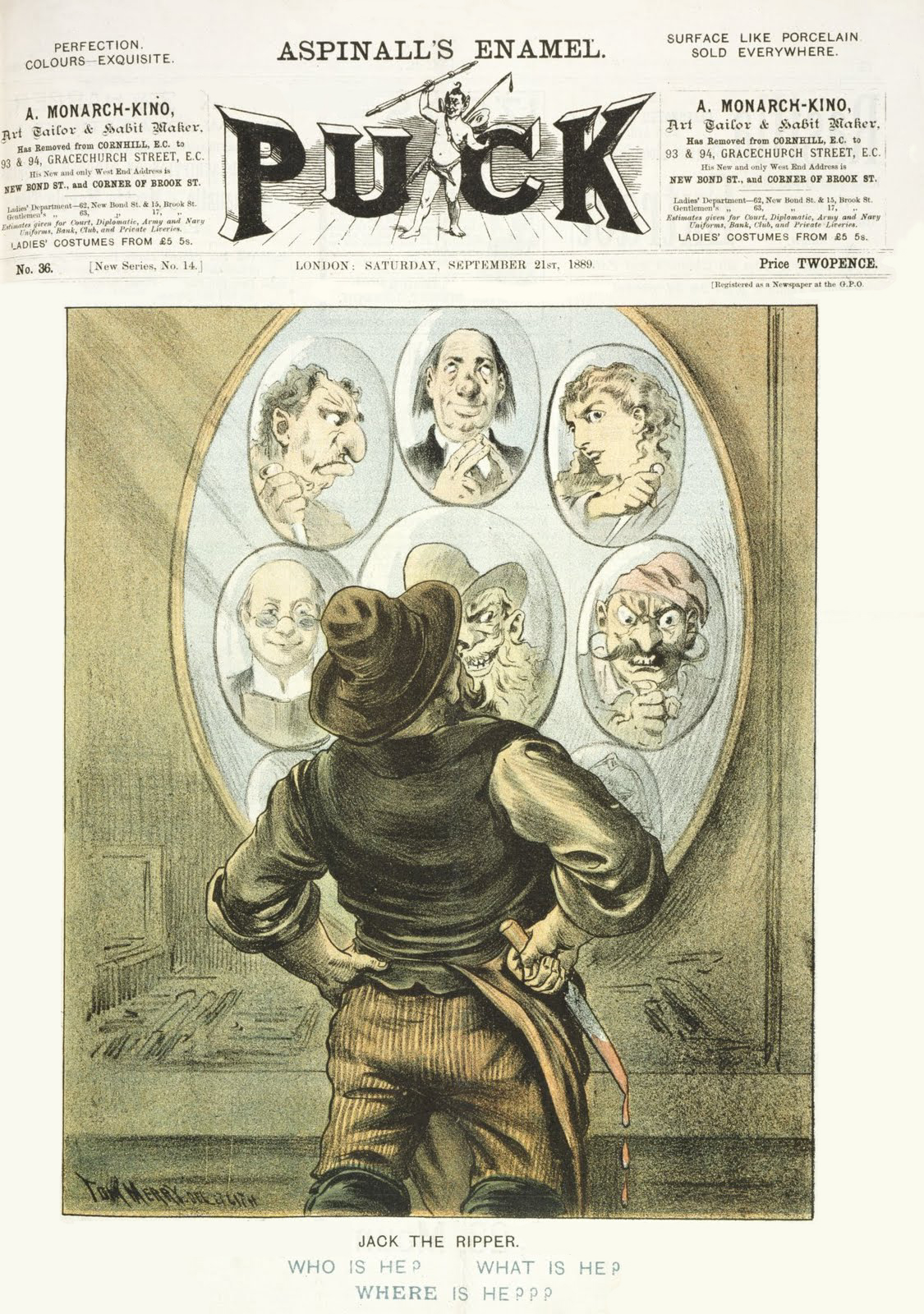
Over the decades dozens of suspects and hypotheses have been proposed, ranging from local residents to professionals and public figures. No single theory has achieved consensus, and modern techniques — from archival research to limited forensic reexamination — have produced competing conclusions. Some researchers also examine whether other violent deaths around that time were connected; these other murders remain part of the broader debate. The case's unresolved nature, combined with vivid contemporary coverage, has given it enduring cultural prominence in literature, film and criminology.
Notable facts include the role the affair played in the development of modern detective work, the emergence of widely circulated crime reporting, and the enduring public fascination with unsolved violent crimes. Because many primary details are disputed or incomplete, careful historical work differentiates documented evidence from rumor and myth when reconstructing events and evaluating claims.
Questions and answers
Q: Who was Jack the Ripper?
A: Jack the Ripper was an unidentified serial killer who was active during the summer and autumn of 1888 in the Whitechapel district of London, England.
Q: Where was Jack the Ripper active?
A: Jack the Ripper was active in the Whitechapel district of London, England which was known for its overpopulation and prostitution.
Q: Who were the main victims of Jack the Ripper?
A: The main victims of Jack the Ripper were five prostitutes: Mary Ann Nichols, Annie Chapman, Elizabeth Stride, Catherine Eddowes, and Mary Jane Kelly.
Q: When were the murders committed?
A: The murders were committed during the summer and autumn of 1888.
Q: What was the significance of the taunting letters received by newspapers and police in London?
A: The taunting letters were signed "Jack the Ripper" and revealed that the killer had a desire for attention and notoriety.
Q: Were there any other murders reported during Jack the Ripper's reign of terror?
A: Yes, other murders were reported around the same time, but they were not thought to be committed by Jack the Ripper.
Q: What was Jack the Ripper known for doing to his victims before killing them?
A: Jack the Ripper was known to have sex with his victims before killing them.
Related articles
Author
AlegsaOnline.com Jack the Ripper: the unidentified killer of Whitechapel, 1888 Leandro Alegsa
URL: https://en.alegsaonline.com/art/48922
Sources
- independent.co.uk : "'Jack the Ripper was Polish barber called Aaron Kosminski', new book claims"
- casebook.org : Casebook: Jack the Ripper article on the Ripper letters