
William Shakespeare
English playwright, poet and actor whose plays and poems shaped English literature; renowned for dramatic range, influence on language, and enduring global performance tradition.
Overview
William Shakespeare (baptised 26 April 1564 – 23 April 1616) was an English dramatist, poet and actor whose work has had a profound and lasting impact on English literature and theatre. Writing chiefly between the 1590s and the early 1610s, he produced a large body of plays, a sequence of sonnets and narrative poems that range from intimate lyricism to expansive historical drama. His works continue to be staged, adapted and studied internationally, and many common English phrases trace to his lines.
Image gallery
10 Images


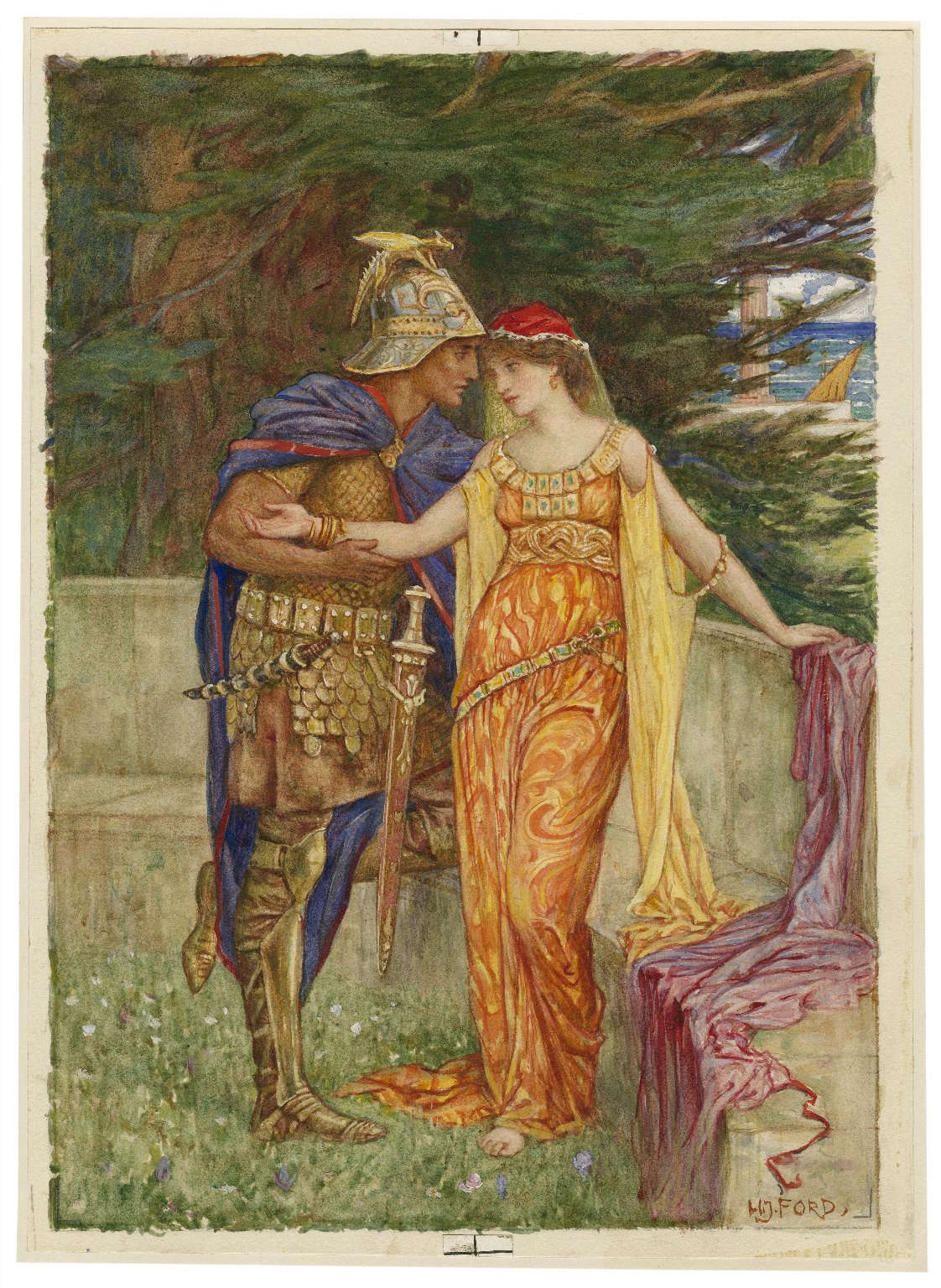


Major works and dramatic forms
Shakespeare wrote plays that are most often classified into three broad kinds: comedies, tragedies and histories. Within these categories he explored a variety of forms, including romantic comedy, revenge tragedy, political history and tragicomedy. His best known plays often cited as exemplars include:
- Hamlet, Othello, King Lear and Macbeth — tragedies that probe ambition, grief and moral conflict.
- Romeo and Juliet and Much Ado About Nothing — romantic and social comedies focused on love and mistaken identities.
- History plays such as Richard II and Henry V that dramatize English political life and monarchy.
Style, language and themes
Shakespeare's writing is noted for its flexible use of verse and prose, especially blank verse (unrhymed iambic pentameter), vivid imagery, rhetorical devices and memorable speeches. He combined comic and tragic elements, created complex characters who speak in psychologically rich soliloquies, and captured universal themes: love, power, jealousy, ambition, identity and the tension between appearance and reality. Over centuries, scholars and lexicographers have credited his works with contributing many words and expressions to English, and his turns of phrase remain widely quoted.
Life, career and the theatrical context
Born and raised in Stratford-upon-Avon, Shakespeare moved to London where he became an actor and a shareholder in a leading theatre company. He performed with companies that included the Lord Chamberlain's Men (later the King’s Men) and played a role in the success of the Globe and Blackfriars theatres. Though much about his personal life remains sparsely documented, surviving records indicate his business dealings, his role in the London stage economy and a return to Stratford where he spent his later years.
Reception, adaptations and enduring influence
From the seventeenth century to the present, Shakespeare has been interpreted through myriad lenses: political, feminist, psychoanalytic and performance-based. His plays have been translated and adapted for different cultures and eras, performed in diverse styles from traditional stagings to experimental and cinematic retellings. Educational systems around the world teach his work, and his influence extends into modern idioms, literature, film and popular culture. At the same time, debates about authorship and textual variants have prompted ongoing scholarly inquiry.
Further reading and resources
- Biographical overview
- Shakespeare as playwright
- Collected plays and editions
- Poetry and sonnets
- List of plays and chronology
- Comedies and their structure
- Stratford-upon-Avon history
- Warwickshire in Shakespeare's time
- Shakespeare in English literature
- Acting career and companies
- Genres and dramatic categories
- Settings and staging conventions
- Love and relationships in his plays
- Depictions of grief and loss
- Pride and ambition as themes
- Representations of hatred and conflict
- Jealousy and character psychology
- Humour, folly and social satire
- Shakespeare's contributions to English vocabulary
- Development of Early Modern English
- Further scholarly resources
Questions and answers
Q: Who was William Shakespeare?
A: William Shakespeare was an English playwright, poet, and actor who wrote 39 plays and two long poems in his lifetime. He lived in Stratford-upon-Avon, Warwickshire, England.
Q: When did he write his works?
A: Shakespeare wrote his works between about 1590 and 1613.
Q: What kinds of plays did he write?
A: Shakespeare wrote plays of different genres including histories, tragedies and comedies. He was the first person to ever write a tragicomedy which is a play that mixes comedy and tragedy with a happy ending.
Q: How were his plays written?
A: His plays were written in poetic language. Many of them were set in strange distant places and times with exciting stories that made people want to know what would happen to the characters.
Q: What topics do his plays talk about?
A: His plays talk about things that are still important today such as love, sadness, hope, pride, hatred, jealousy and foolishness.
Q: Did he contribute anything else to English literature?
A: Yes! Shakespeare added new words and phrases to the English language by creating over 1,700 English words as well as making some words more popular.
Author
AlegsaOnline.com William Shakespeare Leandro Alegsa
URL: https://en.alegsaonline.com/art/132988