
Mona Lisa (La Gioconda) — Leonardo da Vinci's portrait
A summary of the Mona Lisa: its composition, history, debated identity, techniques, cultural influence, provenance and how it is presented today at the Louvre.
Overview
The Mona Lisa, also known by the Italian title La Gioconda and the French La Joconde, is a half-length portrait painted in oil. Executed by Leonardo da Vinci during the Italian Renaissance, it is widely regarded as one of the best-known works of art in the world. The painting's reputation rests on a combination of technical mastery, an ambiguous expression and a long, well-documented history of ownership and public display. Today the work is associated with ideas of mystery and artistic achievement rather than being viewed only as a likeness of an individual.
Image gallery
10 Images
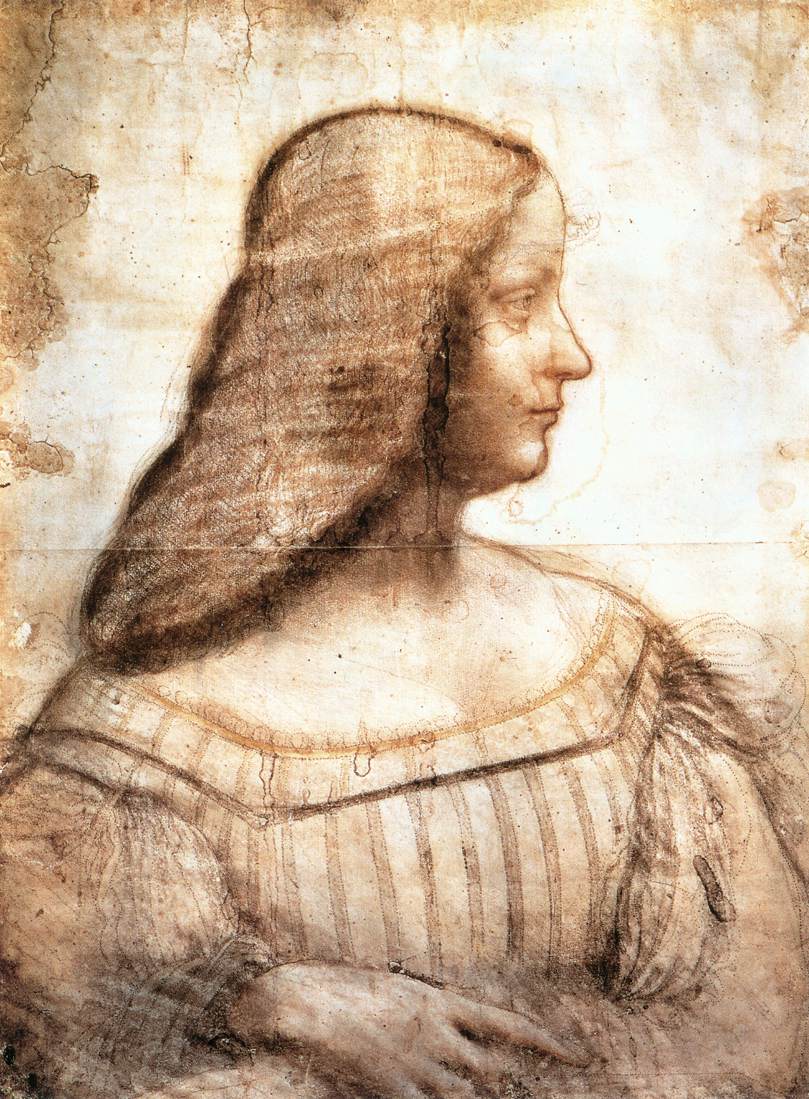



Technique, composition and appearance
Leonardo employed delicate, layered brushwork and the technique known as sfumato to soften transitions between tones and to model facial features without hard outlines. The sitter is shown seated against an imagined landscape, with hands folded and body turned in a subtle three-quarter pose. The small scale of the panel, the finely graduated modelling of light and shadow, and the restrained palette contribute to the painting's intimate effect. Conservators describe the support as a poplar wood panel and the medium as oil paint, applied and reworked over time while Leonardo continued to refine details.
Origins and provenance
Work on the portrait began in Florence in the early years of the sixteenth century; dates commonly given place the start around 1503–1504, with Leonardo retaining and reworking the picture for several years. The artist carried the painting to France late in life, where it entered the royal collection and later became part of the national holdings. It spent time in royal palaces and private rooms before becoming a public exhibit in a national museum. The painting’s modern fame grew steadily through reproduction, scholarship and a high-profile theft early in the twentieth century.
Identity of the sitter and scholarly debate
The traditional identification names Lisa Gherardini (wife of Francesco del Giocondo) as the sitter, a view recorded by early biographers and supported by documentary notes discovered and studied by modern researchers. Alternative hypotheses have included symbolic or composite interpretations, and suggestions that the figure combines memory, idealisation and portraiture rather than representing only one identifiable person. Most mainstream scholarship accepts the Gioconda identification while acknowledging that artistic intentions and later alterations complicate a simple, literal reading.
Impact, reproduction and notable incidents
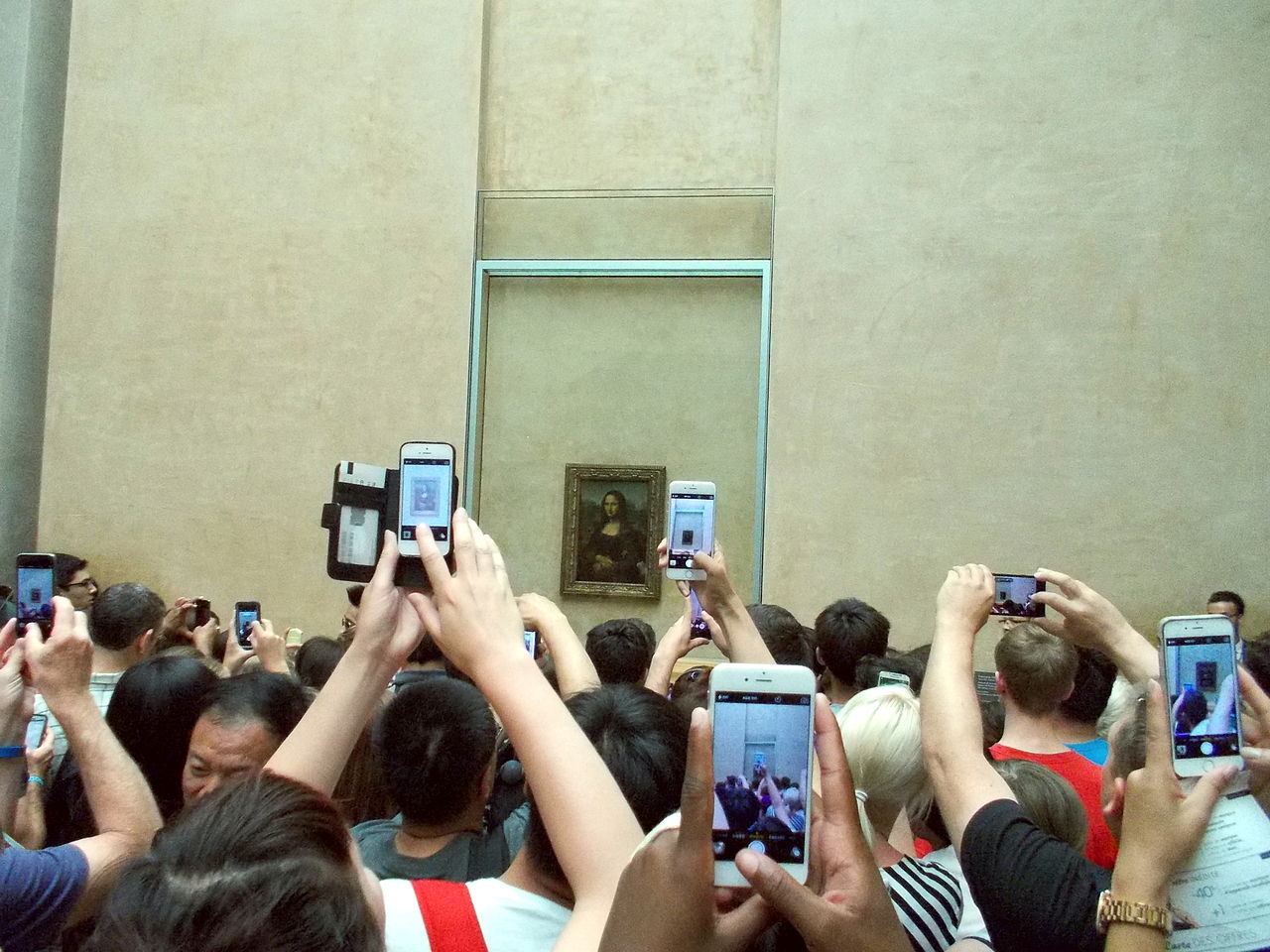
The Mona Lisa has had an outsized influence on visual culture. It is frequently reproduced, referenced and reimagined across media, from prints and posters to literature and film. The painting’s modern celebrity was amplified by a 1911 theft that briefly made headlines around the world and by later episodes of public attention. Because of its iconic status and past attacks, it is now protected behind climate-controlled, bulletproof glazing and is viewed by millions of museum visitors each year.
Visiting and further resources
On display in Paris, the portrait is housed within the national museum where it remains one of the most requested works for public viewing. Visitors are often advised to reserve time, expect crowds and note that photographic conditions are restricted. For readers who wish to pursue primary documents, conservation reports and biographies, the list below points to topics and types of sources commonly consulted in scholarship and public interpretation.
- Technical analyses and conservation reports
- Studies of oil painting practice in the Renaissance
- Biographical material on Leonardo da Vinci
- Context on the Italian Renaissance
- Florentine artistic patronage and workshops
- Historical overviews of Italy in the early 1500s
- Museum and exhibition information
- Royal collections and Francis I of France
- Giorgio Vasari and early art historical writing
- Archival discoveries relating to sitter identification
- Patronage and mercantile families in Renaissance Florence
- Social history of artists and patrons
- The painting’s transfer to France
- Leonardo’s final years in France
- Historic locations where the painting has been displayed
- Events that shaped public perception and security measures
Questions and answers
Q: Who painted the Mona Lisa?
A: The Mona Lisa was painted by Leonardo da Vinci during the Renaissance in Florence, Italy.
Q: What is the painting's official name?
A: The painting's official name is La Gioconda or La Joconde.
Q: Why is the Mona Lisa so famous?
A: The Mona Lisa is so famous because it has been studied, recognized, and copied extensively, making it one of the most well-known works of art in the world. It also attracts millions of visitors to Paris every year to see its enigmatic smile.
Q: Who owns the Mona Lisa now?
A: The Mona Lisa is currently owned by France and displayed at the Louvre museum in Paris.
Q: When did Leonardo begin painting the Mona Lisa?
A: Leonardo began painting the Mona Lisa in 1503 or 1504 in Florence, Italy.
Q: Where did Napoleon I hang it during his reign? A: During his reign, Napoleon I had it hanging in his bedroom at Tuileries Palace before moving it to Louvre where it still hangs today.
Q: Who was speculated to be model for this portrait ? A: Giorgio Vasari thought that model for this portrait was a person named Lisa Gherardini and speculation over this was solved by Dr Armin Schlechter who found notes written by Agostino Vespucci which reinforced Vasari’s earlier identification of her as wife of Francesco del Giocondo , a rich silk merchant from Florence .
Related articles
Author
AlegsaOnline.com Mona Lisa (La Gioconda) — Leonardo da Vinci's portrait Leandro Alegsa
URL: https://en.alegsaonline.com/art/65930
Sources
- newscientist.com : "Noisy secret of Mona Lisa's smile - 23 June 2004 - New Scientist"
- nytimes.com : "The New York Times > Arts > Art & Design > In Louvre, New Room With View of 'Mona Lisa'"
- sites.google.com : Who the Mona Lisa Is
- britannica.com : Mona Lisa, painting by Leonardo da Vinci, View article history, Roni Kempler's contributions, Encyclopædia Britannica