
Islamic Golden Age
A period of major intellectual, cultural and economic development across the Islamic world from roughly the 8th to the 13th centuries, noted for advances in science, medicine, arts and learning.
The Islamic Golden Age is the customary name for a long era of cultural, scientific and economic flourishing across large parts of the Middle East, North Africa and beyond. It is generally dated from the 8th century until about the 13th century, though some historians extend aspects of it into later centuries. The era is often associated with the reign of Harun al-Rashid, the growth of cosmopolitan cities and the sponsorship of learning by political leaders and wealthy patrons.
Major urban centres became hubs for translation, scholarship and practical innovation. Libraries, observatories, hospitals and commercial workshops concentrated knowledge from Greek, Persian, Indian and other traditions and helped adapt those traditions for new uses. Institutions such as the so-called House of Wisdom in Baghdad collected texts, supported translation movements and encouraged original work in mathematics, astronomy and medicine. The use of paper and improvements in book production assisted the circulation of texts and ideas throughout the region and into Europe.
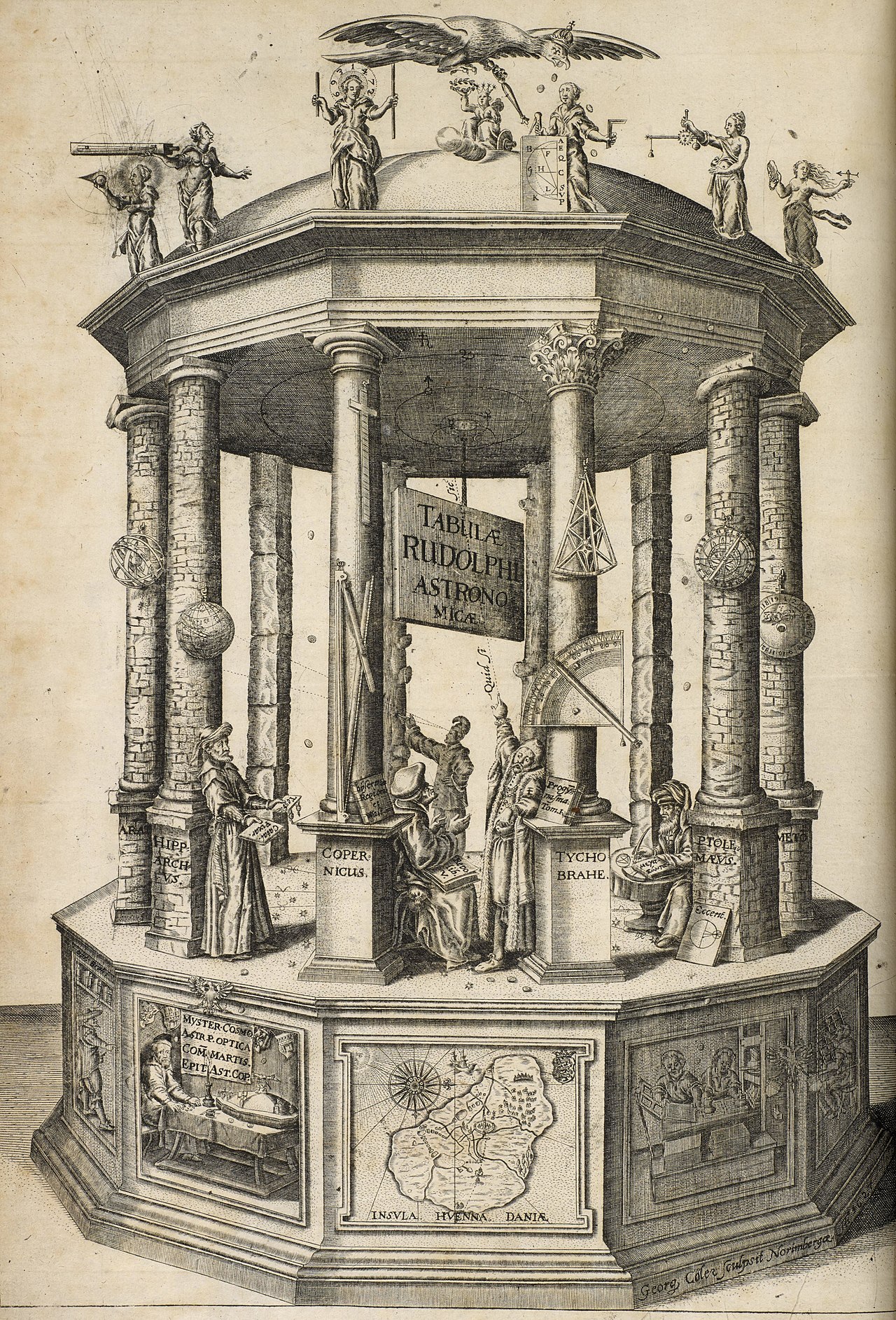
Scholars of the period worked across disciplines. In mathematics, efforts included the systematic study of algebra and advances in arithmetic that built on earlier numeral systems. In optics and astronomy, observers and theorists developed instruments and methods for measuring the heavens. Medical scholars organized clinical knowledge, compiled comprehensive medical manuals and ran hospitals that combined practical care with teaching. Engineers and technicians improved irrigation, mechanics and navigation, while experiments with chemistry and materials laid groundwork later called alchemy and chemistry.
Art and literature also prospered. Poets, historians and philosophers wrote in Arabic, Persian and other languages; calligraphy, book illustration, architecture and decorative arts developed distinctive styles that combined regional traditions. Urban planning, mosque architecture and patronage of the arts reflected both religious and civic ambitions. The exchange of goods and ideas along trade routes further linked artistic and technological developments from Iberia to Central Asia.
The transmission of knowledge from the Islamic world to medieval Europe played a key role in later intellectual developments. Translations of scientific, philosophical and medical works into Latin helped shape European curricula and inspired subsequent innovations. Political fragmentation, military events such as the Mongol sack of Baghdad, changing trade routes and internal shifts gradually reduced the scale of patronage and cosmopolitan exchange, producing a complex decline rather than an abrupt end.
Today the Islamic Golden Age is studied for its pluralistic networks of learning, its synthesis of earlier traditions and its role in global history. Its legacy includes many familiar terms and concepts in mathematics and medicine, widespread artistic motifs, and institutional models for libraries and hospitals. The period remains an important example of how cross-cultural exchange, patronage and urban life foster sustained intellectual and practical achievement.
Image gallery
10 Images





Further reading and resources
- Overview and chronology
- Engineers and technological practices
- History of the Islamic world
- Economic developments and trade
- Industry and craft production
- Legal developments and administration
- Literature and poetry
- Navigation and maritime exchange
- Philosophical traditions
- Scientific achievements
- Technology and practical inventions
- Artists and visual culture
- Prominent scientists and thinkers
- Political figures and patrons
Questions and answers
Q: What is the Islamic Golden Age?
A: The Islamic Golden Age was a period that lasted from the 8th century AD to the 13th century, and is sometimes known as the Islamic Renaissance.
Q: When did the Islamic Golden Age start?
A: It is regarded as starting with the reign of Harun al-Rashid.
Q: Should the 15th and the 16th centuries be counted to the Islamic Golden Age?
A: Some scholars think one should count even the 15th and the 16th centuries to this period.
Q: Why was this period called the Golden Age?
A: This period was called Golden Age, because engineers, scholars and traders in the Islamic world did much for the arts, agriculture, economics, industry, law, literature, navigation, philosophy, sciences, and technology in this time.
Q: What did Muslim artists and scientists do during the Islamic Golden Age?
A: Muslim artists and scientists, princes and laborers together created a unique culture that has directly and indirectly influenced societies on every continent.
Q: What did engineers, scholars and traders in the Islamic world do during the Islamic Golden Age?
A: Engineers, scholars, and traders in the Islamic world did much for the arts, agriculture, economics, industry, law, literature, navigation, philosophy, sciences, and technology in this time.
Q: What did scholars in the Islamic world do during the Islamic Golden Age?
A: Scholars in the Islamic world built upon earlier traditions and added inventions and innovations of their own during the Islamic Golden Age.
Related articles
Author
AlegsaOnline.com Islamic Golden Age Leandro Alegsa
URL: https://en.alegsaonline.com/art/48403
Sources
- commons.wikimedia.org : Islamic Golden Age