
Italia — Roman Italy: the peninsula that was Rome's heartland
Italia was the Italian peninsula and the political, cultural, and economic core of Rome from the Republic through the Empire; its special legal status and infrastructure underpinned Roman power and later transformations.
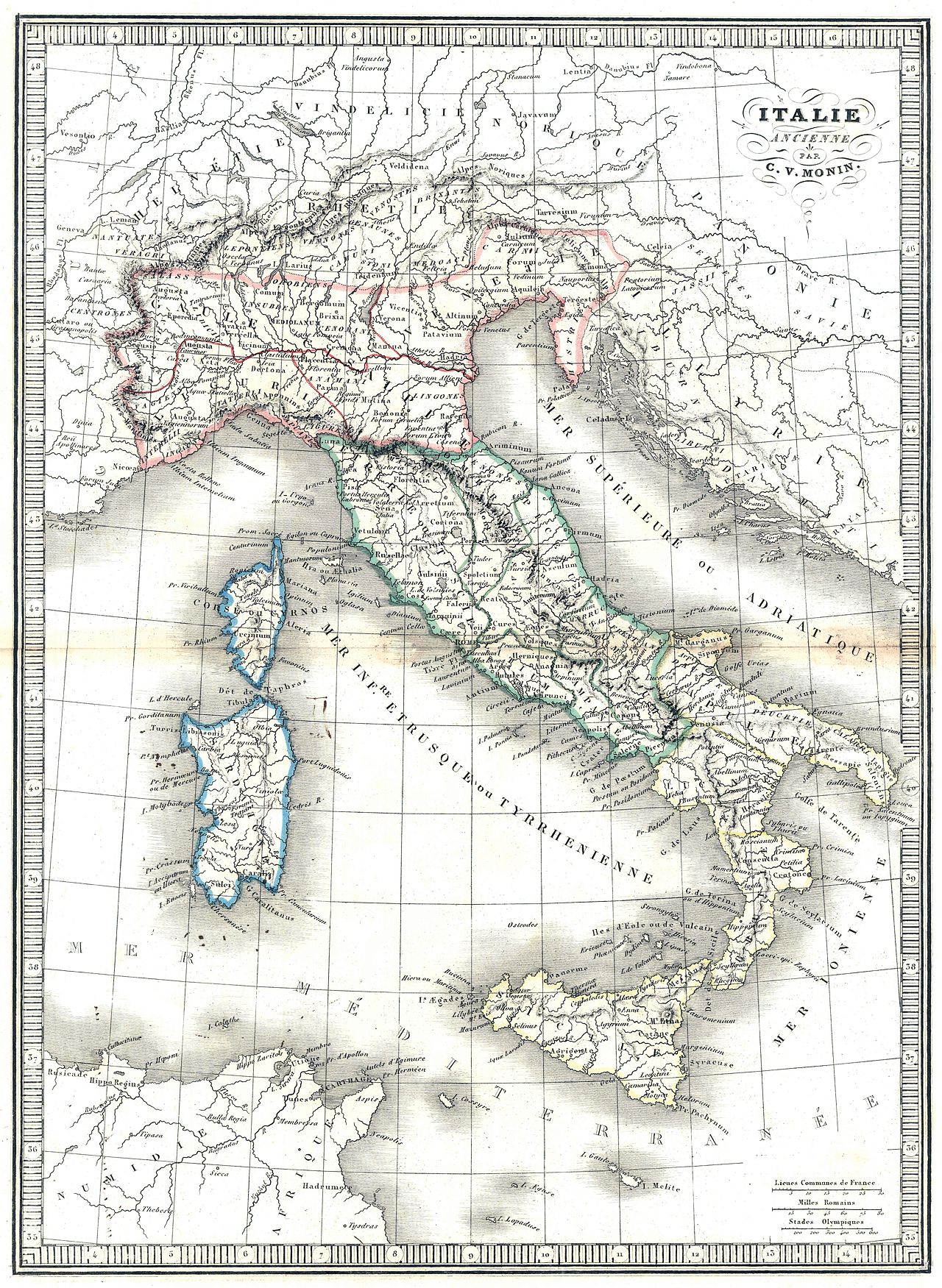
In Roman usage "Italia" designated the Italian peninsula, the contiguous landmass that contained Rome and its earliest allies and colonies. As the homeland of the Roman people, Italia was the demographic, economic and symbolic center of the Roman state from the middle Republic through much of the Empire. The term is closely associated with the city of Rome and with the geographic concept of the Italian peninsula.
Image gallery
8 Images



Political status and administration
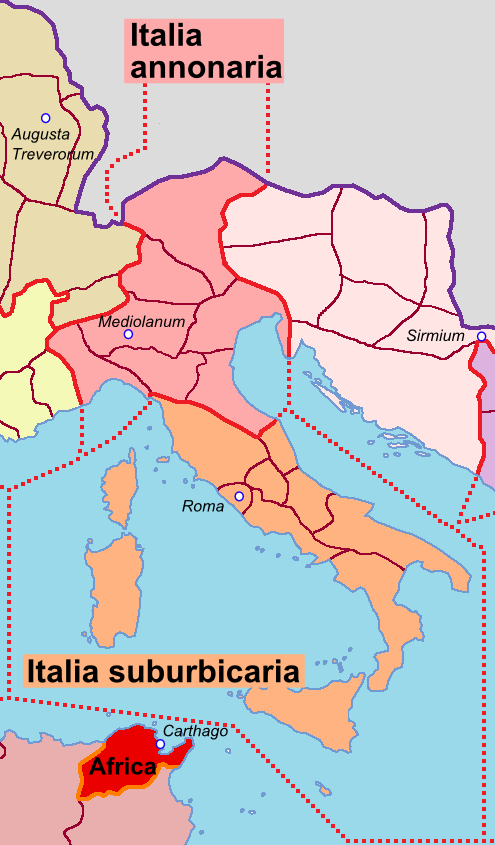
Under the Roman Republic and later under the Roman Empire, Italia occupied a unique legal place. Unlike the provinces conquered overseas, much of Italia was originally exempt from provincial governance and enjoyed Roman or Latin rights. Augustus organized Italy into administrative regions for census and municipal purposes, and imperial reforms in late antiquity gradually integrated the peninsula into broader imperial dioceses and prefectures.
Characteristics and economy
Italia contained a dense network of towns, roads and rural estates that supported Rome and the wider empire. Key features included:
- Extensive road systems that linked cities and ports and enabled military and commercial movement.
- A high degree of urbanization with numerous municipia and coloniae.
- A largely agricultural economy supplying grain, wine, and olive oil to urban populations and the legions.
History and transformations
The peninsula was the stage for Rome's rise: from a collection of Latin and Italic communities to the dominant power of the Mediterranean. Although Rome expanded far beyond Italia, the peninsula remained the centre of politics, elite culture and military recruitment. From the fourth century CE the administrative focus of the empire shifted eastward; the imperial court and many governmental functions relocated to Byzantium (Byzantium) and then to Constantinople, reflecting a profound change in imperial geography.
Legacy and notable distinctions
Italia's legacy includes the Latin language, Roman law, and much of the infrastructure that shaped later European development. A crucial distinction is that Italia was not simply another province: its inhabitants had special legal relationships with Rome for much of the Republic and early Empire, a fact that affected taxation, military service and civic life. The peninsula's towns and countryside remain a principal source for archaeological and historical understanding of Roman society.
Today the study of Roman Italia helps explain how a relatively small territory became the administrative and cultural engine of an empire that spanned continents, and how shifts in administration and capital city influenced the empire's later history.
Related articles
Author
AlegsaOnline.com Italia — Roman Italy: the peninsula that was Rome's heartland Leandro Alegsa
URL: https://en.alegsaonline.com/art/48582