
Italian cultural and historical presence in Dalmatia
Survey of the Italian influence on Dalmatia: historical phases, architectural and linguistic legacy, cultural institutions, notable towns, 20th-century changes and modern preservation efforts.
Overview
The Italian cultural and historic presence in Dalmatia refers to the long-standing influence of Italian language, institutions and styles across the Adriatic coast known as Dalmatia. That influence shaped towns, architecture and social life in the region and is discussed in broader treatments of the Italian influence in Dalmatia. Today Dalmatia is divided among several modern states including Croatia, parts of inland areas historically tied to Dalmatia in Herzegovina, and some coastal areas in Montenegro.
Image gallery
4 Images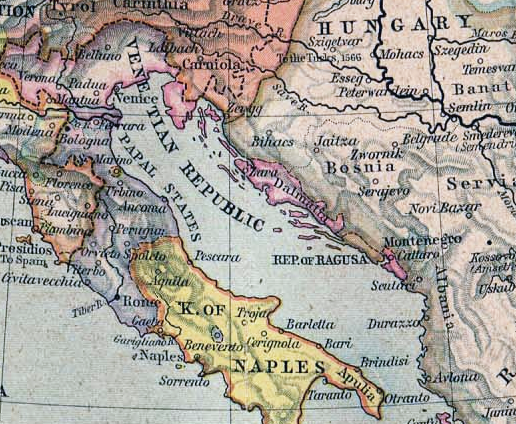


Historical development
Italian cultural links began in antiquity and intensified with medieval maritime powers. Coastal cities were nodes of trade, law and culture where Latin-based languages and Venetian institutions became prominent. Over centuries power shifted—local duchies, Byzantine and later Venetian maritime dominance, and Central European administrations all left layers of influence. The pattern of urban Italianate life persisted especially in port towns and islands where commerce, shipbuilding and bilingualism were common.
Characteristics and legacy
The Italian presence is visible in several areas:
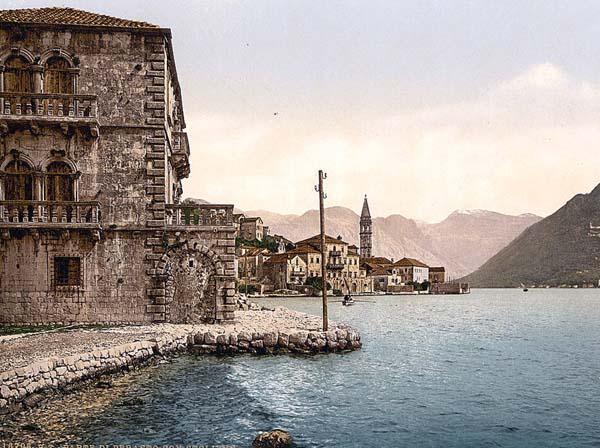
- Architecture: Venetian Gothic, Renaissance and Baroque churches, palaces and fortifications remain in town centres.
- Language and literature: Italian and local Romance dialects historically circulated alongside Slavic languages; a distinct Dalmatian Romance tongue disappeared in the 19th century, but toponyms and dialect words survive.
- Urban culture: Opera houses, theaters, newspapers and schools once used Italian as a medium for public life.
- Cuisine and maritime life: shared Mediterranean dishes, seafood traditions and seafaring practices reflect cross-Adriatic exchange.
Notable towns and examples
Many coastal towns show layered identities: ports where Italianate façades share space with Slavic churches and marketplaces. Historic Italian place-names remain in use in older sources, and island communities often preserved bilingual usage longer than inland areas.
20th century changes and modern significance
The 20th century brought nationalist conflicts, shifting borders and population movements that reduced the size of Italian-speaking communities in Dalmatia. Since then, efforts by scholars, local associations and minority institutions have worked to preserve architectural heritage, archival materials and bilingual traditions. Today small Italian communities and cultural groups continue to maintain links with Dalmatia's Italianate past, and heritage tourism highlights this shared history.
Notable distinctions
- The Italian influence in Dalmatia was urban and maritime in character rather than uniformly rural.
- Heritage is often visible in material culture—buildings, street plans, and port infrastructure—more than in dominant contemporary spoken languages.
- Current preservation combines local, national and international initiatives to safeguard monuments and documentary sources.
Related articles
Author
AlegsaOnline.com Italian cultural and historical presence in Dalmatia Leandro Alegsa
URL: https://en.alegsaonline.com/art/48588