
Prince (royal title)
A prince is a male member of a royal family whose rank, style and duties differ by country and tradition. This article explains meanings, types, history, roles, and notable distinctions.
Overview
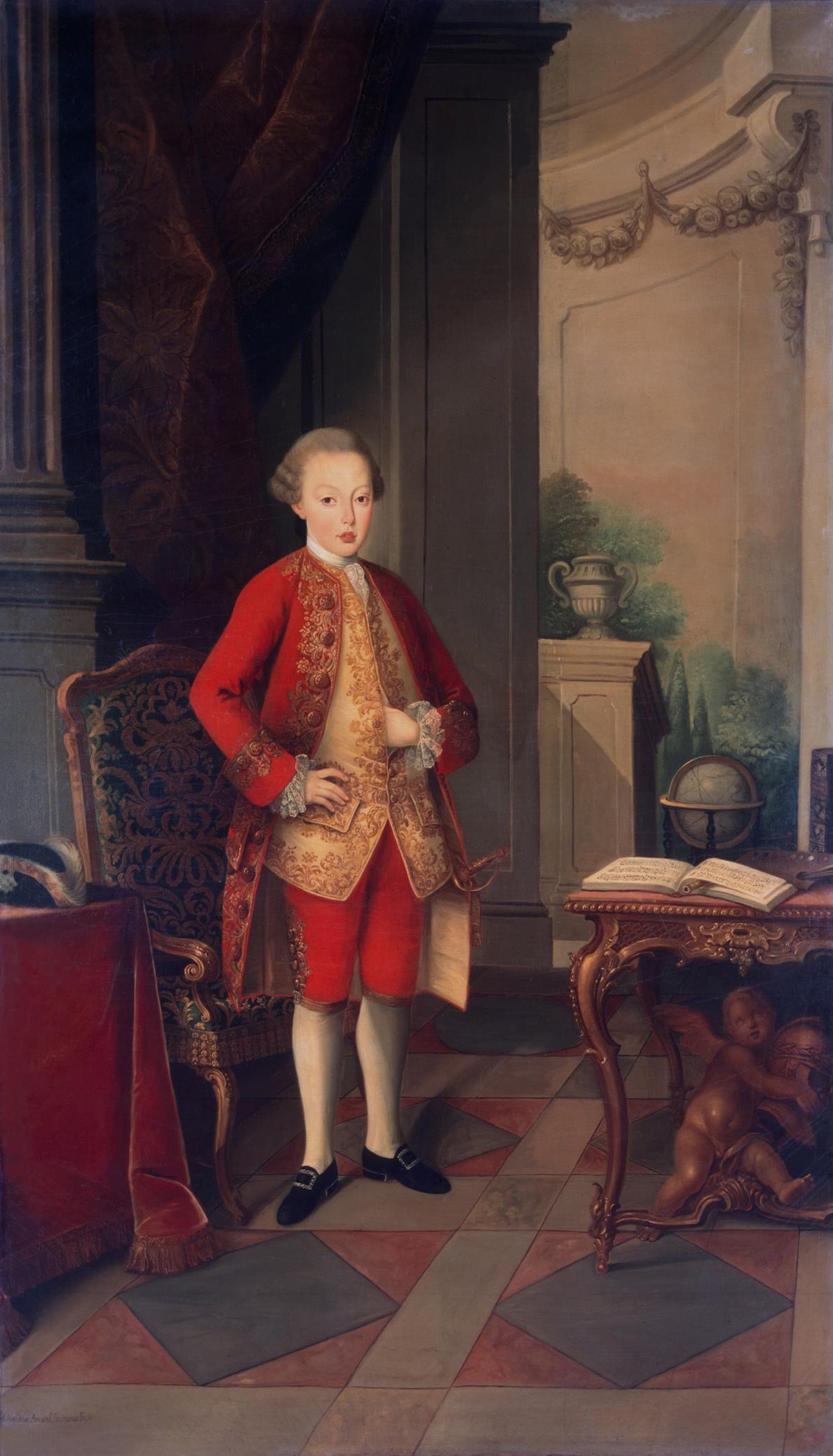
A prince is commonly defined as a male member of a royal family. The female equivalent is a princess. Exact usage — who may be called a prince and what privileges attach to the title — varies by monarchy, legal tradition and historical custom. In some states the title denotes a sovereign ruler; in others it is a dynastic or courtesy rank for sons, grandsons, or other relatives of a monarch.
Image gallery
10 Images




Characteristics and types
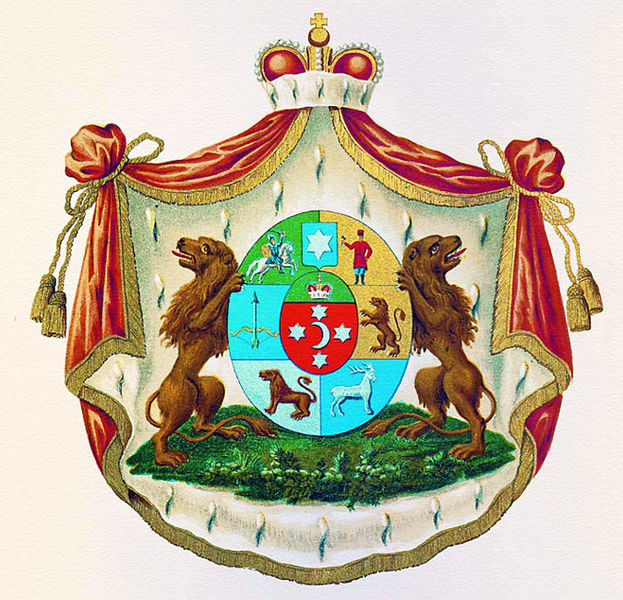
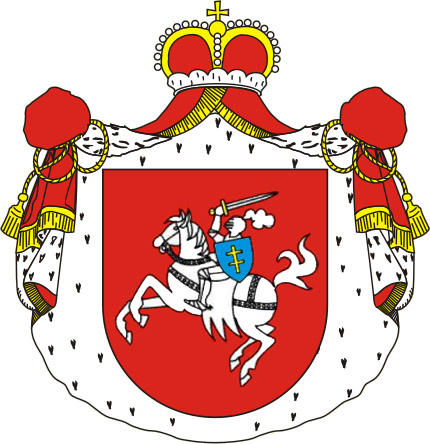
Different categories of princes exist across the world. Common types include crown princes or heirs apparent, princes of the blood (close legitimate relatives of the sovereign), prince consorts (husbands of a reigning queen), and non-sovereign princes who hold a title by birthright but do not rule. Styles such as "His Royal Highness" or local equivalents accompany the rank in many systems.
Some nations use the title for their reigning head of state rather than a subordinate member of a dynasty. Notable contemporary principalities where the ruler is called a prince include Monaco and Liechtenstein. In these cases the prince performs functions similar to those of a monarch in larger kingdoms.
History and linguistic origins
The word "prince" traces to the Latin princeps, meaning "first" or "chief," a term used in antiquity for leading figures. Over centuries the meaning shifted as medieval and early modern European polities adopted layered noble ranks. In some languages there are distinct words for a ruling prince and for a dynastic prince (for example, German contrasts Fürst and Prinz), reflecting different historical roles.
Roles, duties and importance
Today a prince's public functions range widely. In constitutional monarchies princes often undertake ceremonial duties, represent the monarchy abroad, support charities, or carry out military and state duties. In absolute or semi-constitutional principalities the prince may exercise executive power. Princes can also serve as heirs, helping ensure dynastic succession and continuity.
Distinctions and notable facts
- Titles are regulated by constitutional law or dynastic house rules in many monarchies; what counts as a princely title can therefore be legally specific.
- Some princely titles are hereditary across many generations, while others are used only by direct heirs or conferred as honors.
- The historical usage of "prince" occasionally extended beyond royalty to denote rulers of city-states, ecclesiastical lords or high dignitaries.
For further reading on monarchical terminology and modern variations see entries on king, queen and comparative studies of European principalities (Monaco).
Author
AlegsaOnline.com Prince (royal title) Leandro Alegsa
URL: https://en.alegsaonline.com/art/79186