
Harun al-Rashid — Abbasid Caliph and Patron of the Early Islamic Golden Age
Abbasid caliph (786–809) whose reign helped make Baghdad a political, commercial and cultural center; remembered for patronage, court politics, ties with Europe, and his place in the Arabian Nights.
Overview
Harun al-Rashid was the fifth caliph of the Abbasid dynasty, ruling from 786 to 809. As head of the caliphate he governed from Baghdad, which under his rule grew into a major center of administration, trade and learning. His title al-Rashid is usually translated as "the Rightly Guided." For many later generations he became the archetypal caliphal ruler—both a powerful sovereign and a benevolent figure in popular tales.
Image gallery
10 Images


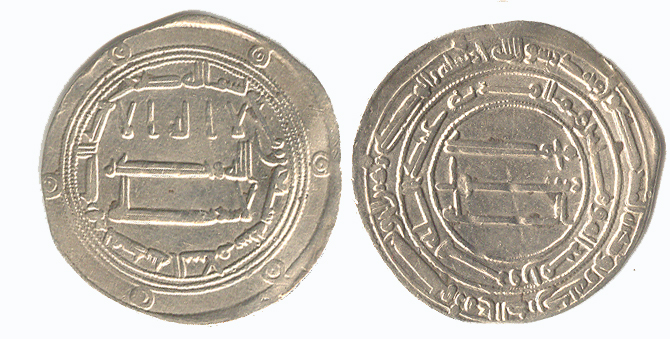

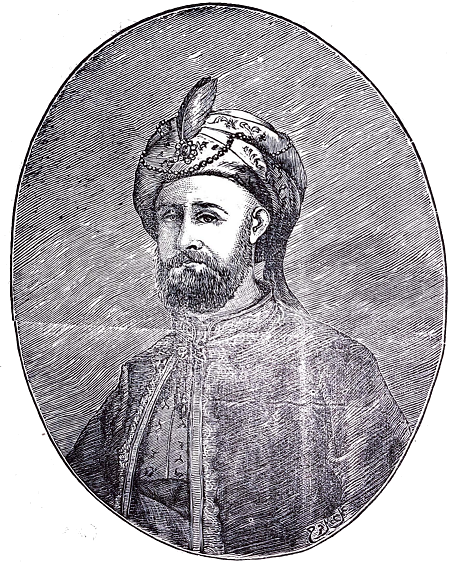
Reign, administration and politics
Harun's government combined military power with a complex bureaucracy. Early in his reign, a Persian family of viziers and administrators played a prominent role in state affairs. Baghdad's wealth and strategic position supported a sophisticated fiscal and administrative system, while provincial governors and military commanders managed frontier zones. Relations with neighbouring powers included diplomatic exchanges and gifts; one well-known episode from contemporary chronicles and later retellings records correspondence and envoy exchanges with a major European ruler of the period.
Culture, learning and economy
The caliphate under Harun benefited from flourishing commerce and a cosmopolitan urban culture. Baghdad attracted scholars, artisans and merchants from across the Islamic world and beyond; manuscript copying, translation activities, and patronage of poets and scientists contributed to the era later called the Islamic Golden Age. Institutions and libraries associated with the Abbasid court would become central repositories of knowledge in subsequent decades.
Legacy and literary image
Harun's reputation was shaped as much by literature as by statecraft. He appears frequently in Arabic tales, most famously in collections known in the West as the Arabian Nights. These stories portray him as an approachable ruler who sometimes disguised himself to observe his subjects' lives. Such anecdotes reinforced his image as both wise and just, even as political struggles at court—especially the rivalry among his sons over succession—led after his death to a turbulent civil conflict that reshaped the caliphate.
Notable facts
- Title and role: The caliphal office combined spiritual and temporal leadership; see the term caliph for context.
- Geographical seat: His court was in Baghdad, the era's major metropolis—see Baghdad.
- Origins and region: The Abbasid dynasty ruled a realm centered in territories that include parts of modern Iran.
Harun al-Rashid remains a central figure for historians and the public alike: a capable ruler who presided over prosperity and cultural vibrancy, and a legendary character whose stories continue to shape our image of early medieval Islam.
Related articles
Author
AlegsaOnline.com Harun al-Rashid — Abbasid Caliph and Patron of the Early Islamic Golden Age Leandro Alegsa
URL: https://en.alegsaonline.com/art/42695