
Artist: creators, forms, history, and societal roles
An artist is someone who produces works intended to express ideas, emotions, or beauty. This article covers common forms, methods, historical development, social roles, and how the term is used broadly.
Overview
An artist is commonly defined as a person who produces works meant to express ideas, emotions, experiences, or aesthetic values. The label is most often applied to creators in fields traditionally associated with the fine arts, including visual, performing and literary practices. Typical examples include disciplines such as drawing, painting, sculpture, theatre and acting, dance, writing, filmmaking, photography and music. The word can also be used more loosely to praise exceptional skill in other domains.
Image gallery
5 Images


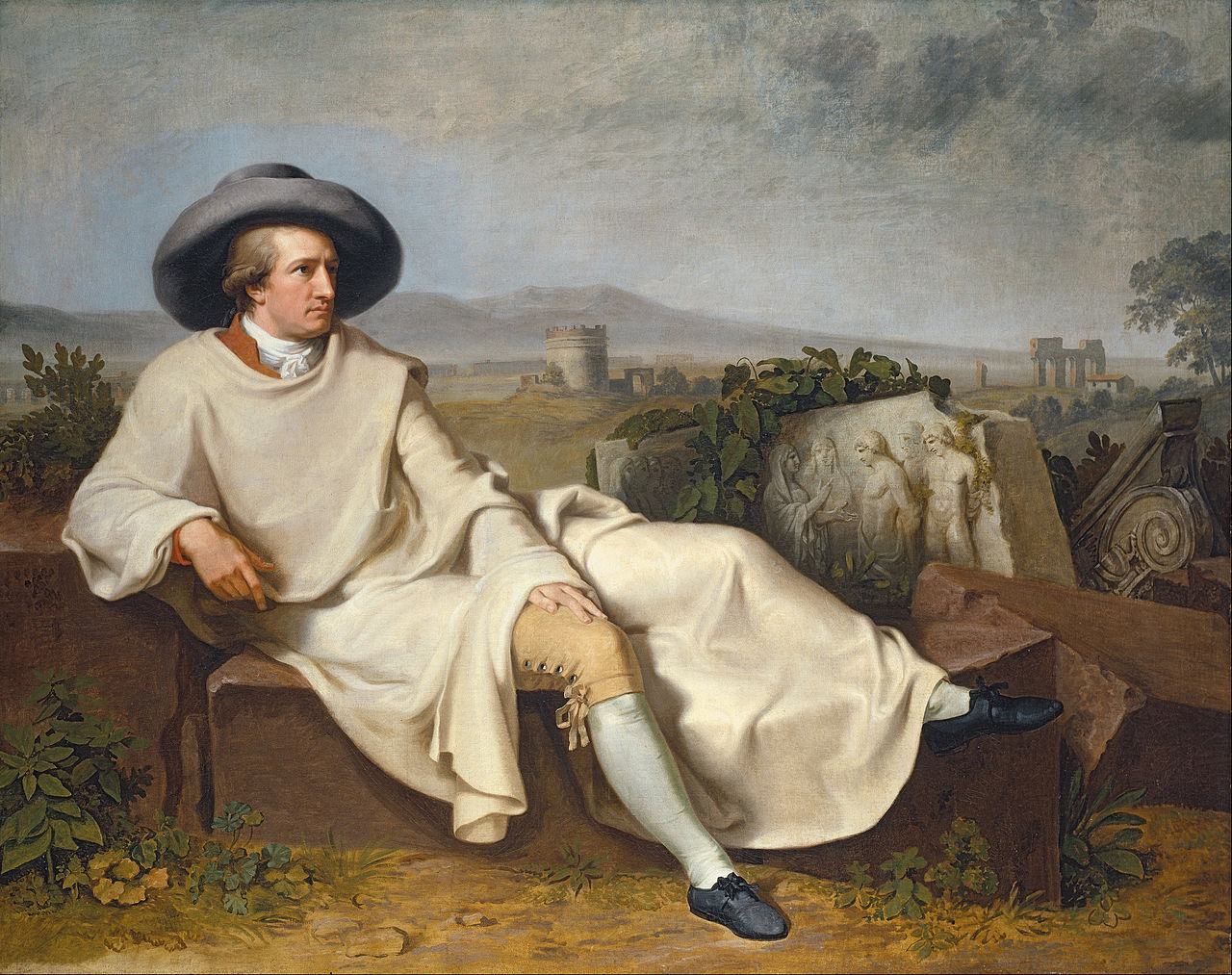

Forms, materials and methods
Artists work with a wide variety of media and methods. Some create tangible objects on canvas, paper or clay; others produce ephemeral performances, sound-based works or digital projects. Methods range from traditional manual techniques to collaborative, conceptual and technologically enabled practices. Common considerations across disciplines include composition, technique, intent and audience.
Many activities fall under the broad heading of artistic practice. These include:
- Visual arts: drawing, painting, printmaking and sculpture (drawing, painting, sculpture).
- Image and time-based media: photography and filmmaking (photography, film).
- Performance and literature: music, dance, theatre and writing (music, writing).
Training and practice vary greatly: some artists follow academic paths, others are self-taught or learn through apprenticeships and community modes of transmission. Professional artists often combine creative work with teaching, commissions, commercial projects or residencies.
The social role and status of artists has shifted over time. In many historical periods artists worked as craftsmen, guild members or court servants; in other eras they were seen as independent creators and thinkers. Changes in patronage, market structures and technology have continually reshaped how art is produced, distributed and valued.
Beyond the fine arts, the term "artist" is sometimes applied metaphorically to exceptionally skilled practitioners in other fields. For example, a highly creative scientist or a particularly elegant scientist or mathematician may be described as an artist in recognition of imaginative insight and craftsmanship in problem solving. This usage highlights the overlap between technical mastery and creative expression.
Distinctions frequently discussed in relation to artists include:
- Professional vs amateur — whether art is pursued for livelihood or personal fulfillment.
- Fine art vs craft — debates about intention, function and aesthetic value.
- Commercial vs autonomous practice — relationships to markets, patrons and institutions.
Artists play multiple roles in society: creators of cultural heritage, commentators on contemporary life, innovators in technique and form, and contributors to education and the economy. For those seeking further introduction, survey texts, museum sites and community arts organizations offer practical entry points to particular media and local practices.
Tags
Related articles
Author
AlegsaOnline.com Artist: creators, forms, history, and societal roles Leandro Alegsa
URL: https://en.alegsaonline.com/art/6369
Sources
- simple.wiktionary.org : artist
- boundless.com : "These Notable American Artists Were Also Immigrants"
- visual-arts-cork.com : "Art Definition: Meaning, Classification of Visual Arts"
- goines.net : "What is an Artist?"
- britannica.com : britannica.com/art/painting