
Irish Sea: geography, uses, ecology and environmental issues
Summary of the Irish Sea’s geography, ecology, economic uses, energy production and environmental pressures, with notes on management and conservation.
Overview
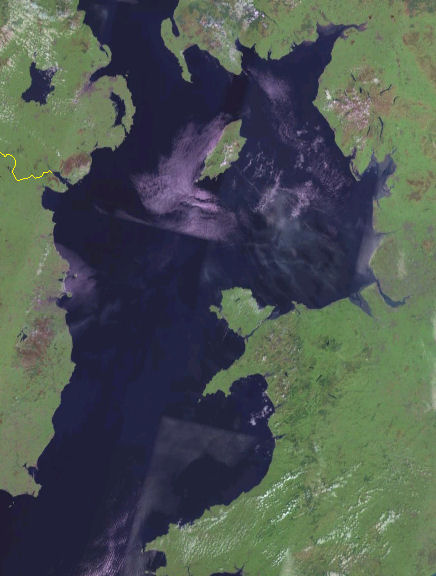
The Irish Sea, sometimes called the Manx Sea, lies between Ireland and Great Britain. It forms an important maritime corridor linking islands of north‑west Europe and connects with the Atlantic through channels including St George’s Channel and the North Channel. The sea’s islands include the Isle of Man and numerous smaller isles and headlands.
Image gallery
10 Images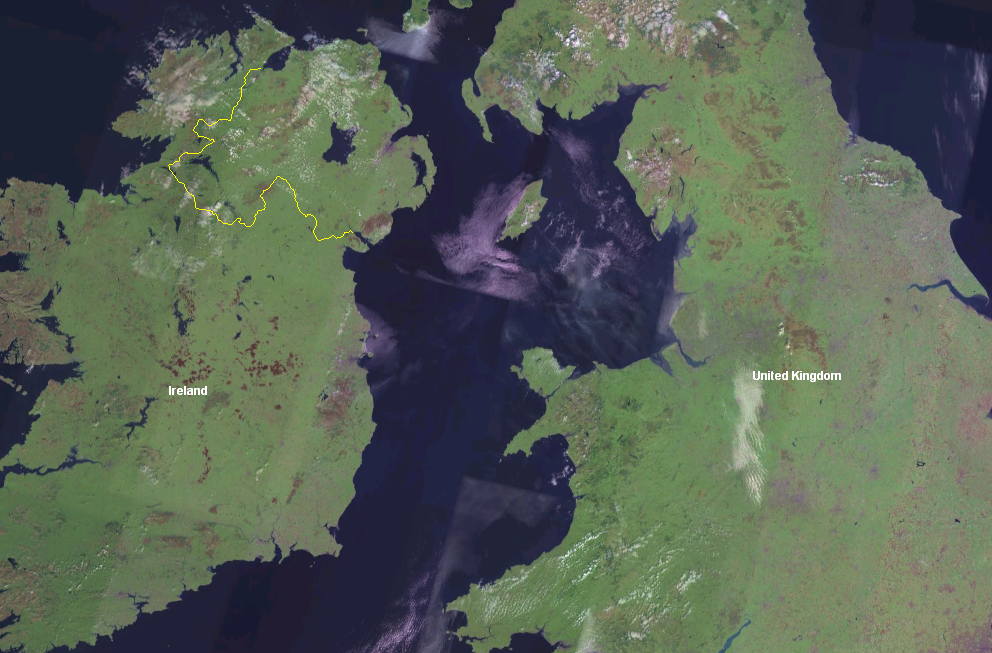




Geography and physical characteristics
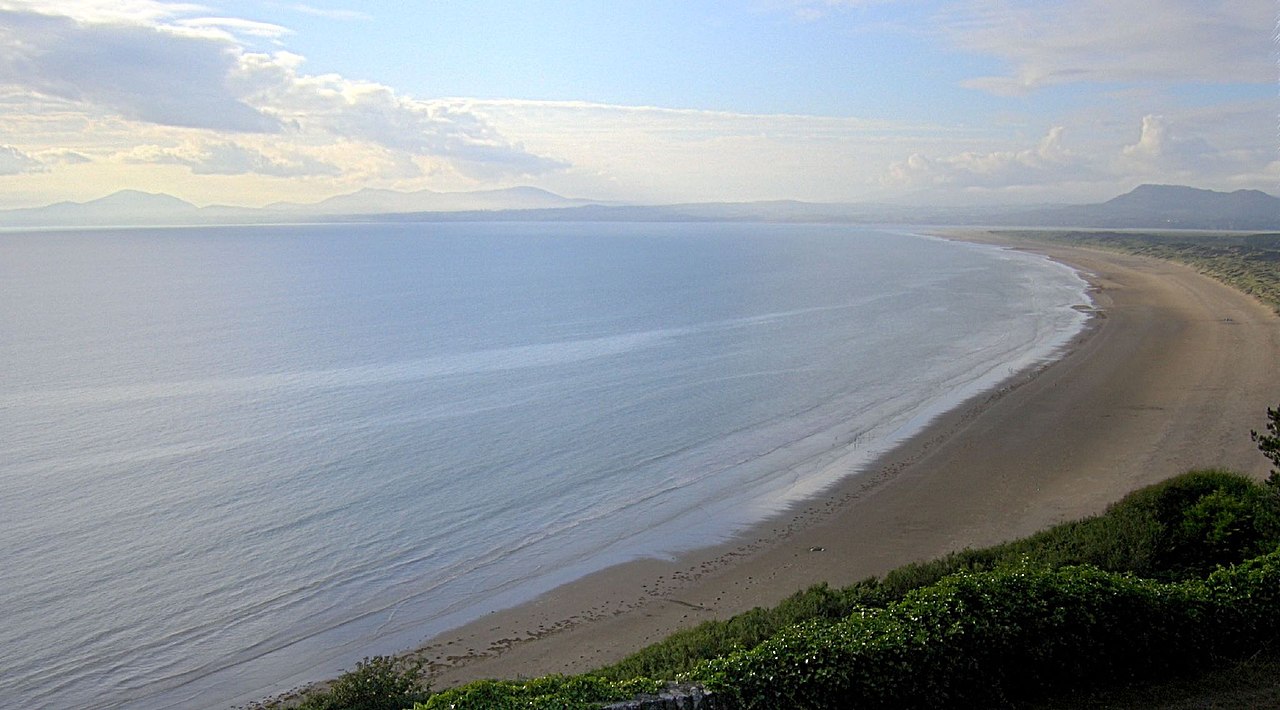
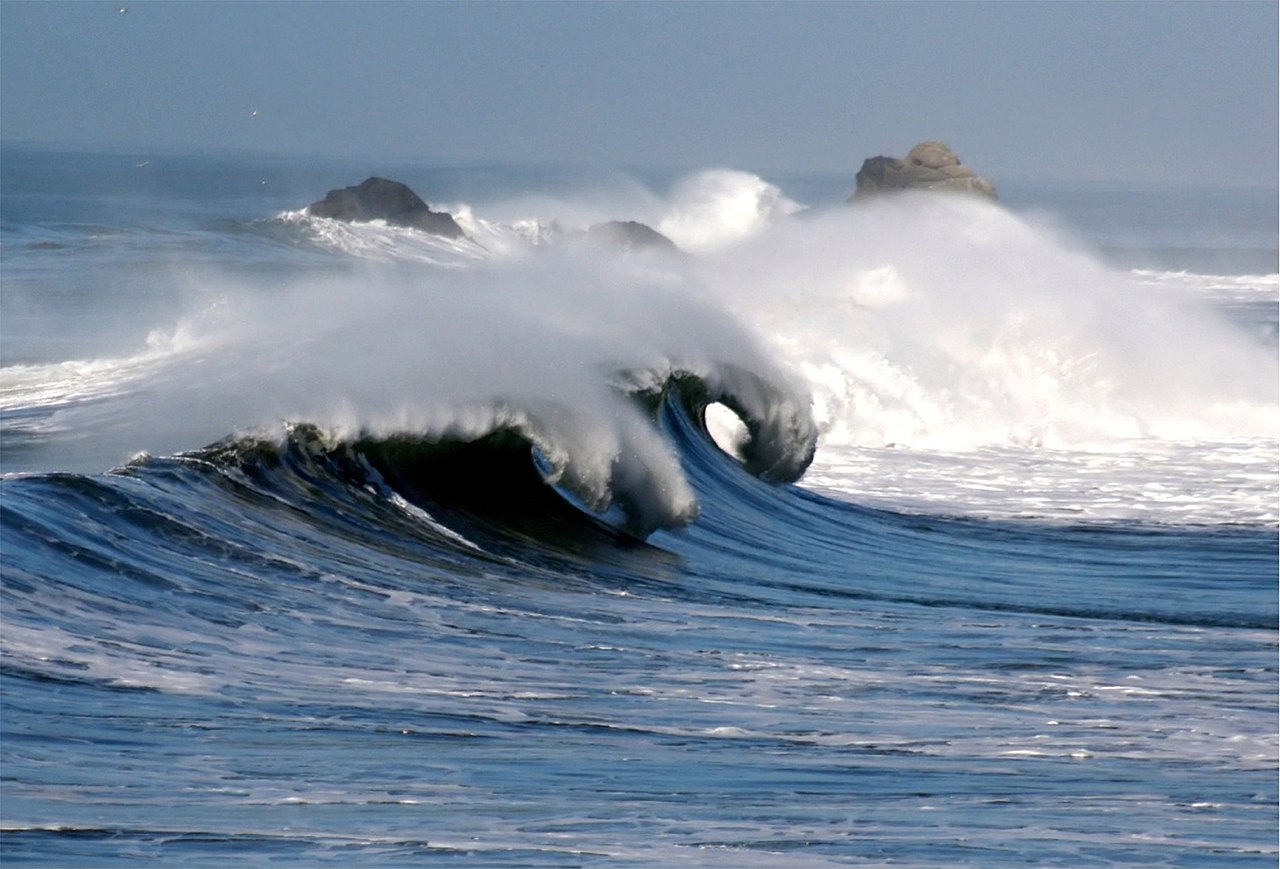
Relatively shallow compared with the open ocean, the Irish Sea has a varied seabed of sands, muds and rocky banks. Strong tidal streams, variable weather and complex coastal topography shape navigation, sediment transport and habitats. Estuaries, bays and river mouths along both shores influence salinity and biological productivity.
Ecology and marine life
The Irish Sea supports diverse marine communities from plankton to seabirds, fish and marine mammals. Commercially important species include pelagic and demersal finfish and a range of shellfish. Coastal habitats such as mudflats, seagrass beds and reefs are important for feeding and nursery functions. Like many enclosed seas, it is affected by pressures that alter ecological balance.
Human uses and economy
The sea is a busy regional route for trade and passengers. It underpins coastal economies through ports, ferry services, tourism and industry. More than 12 million passengers and around 17 million tonnes of traded goods are carried annually across the sea. Major activities include commercial shipping, port operations and coastal tourism, and the region is integral to wider trade networks.
Fisheries and energy
Fishing for both finfish and shellfish remains important to local communities, supplying domestic and export markets (fishing). In recent decades the Irish Sea has also been used for energy production: offshore and nearshore wind installations contribute renewable electricity (wind power), and coastal nuclear and thermal plants have been part of the regional energy mix, with some older facilities now being decommissioned.
Environmental pressures
The Irish Sea has experienced significant human influence. Nutrient enrichment, urban and industrial discharges, shipping‑related contaminants and historic radioactive discharges from reprocessing and waste sites have affected sediments, water quality and biota. Issues such as eutrophication, habitat loss and the spread of non‑native species through ballast water are ongoing concerns. The sea is often compared with other heavily used seas in the region, including the North Sea and the Mediterranean Sea, in regional environmental assessments (pollution).
Management and conservation
Because the Irish Sea serves multiple users, management relies on national and cross‑border cooperation, scientific monitoring, marine spatial planning and designation of protected areas such as Marine Protected Areas and Special Areas of Conservation. Priorities include reducing contaminant inputs, restoring sensitive habitats, and managing fisheries sustainably while allowing safe navigation and economic activity.
- Major uses: shipping, fishing, renewable energy, ports and tourism.
- Key concerns: nutrient enrichment, contaminants, habitat loss and invasive species (pollution).
- Regional context: important link for trade and transport, hosting millions of passengers and substantial cargo of traded goods each year.
For detailed, up‑to‑date data and management plans consult official marine agencies and research institutions in Ireland and Great Britain, which coordinate monitoring, fisheries management and conservation efforts across the sea.
Related articles
Author
AlegsaOnline.com Irish Sea: geography, uses, ecology and environmental issues Leandro Alegsa
URL: https://en.alegsaonline.com/art/48185
Sources
- irishseaconservation.org.uk : "Irish Sea facts"
- theguardian.com : "Ireland offshore oilfield has over 1bn barrels, says drilling company"
- commons.wikimedia.org : Irish Sea