
Trade (exchange of goods, services and value)
Trade is the voluntary transfer of goods, services or value between parties. It includes barter and monetary transactions, spans local to international markets, and shapes economies, institutions and daily life.
Trade is the voluntary transfer of goods, services or other forms of value between two or more parties. It can be as simple as a direct swap of items between neighbors or as complex as cross-border commerce involving currencies, contracts and institutions. In economic terms trade enables people and organizations to specialize, acquire what they lack, and convert resources into different forms of value. The general idea — give something and receive something in return — is often called an exchange or a swap.
Image gallery
10 Images




Core characteristics
Key elements of trade include mutual consent, an agreed method for valuing what is exchanged, and an accepted medium or mechanism for completing the transaction. That medium may be a physical object, credit, a promise, or a generally accepted medium such as money. Trades can be bilateral (between two parties) or multilateral (involving several parties or intermediaries). They may be immediate or take place over time with contracts, and they can be regulated by custom, law or market institutions.
History and development
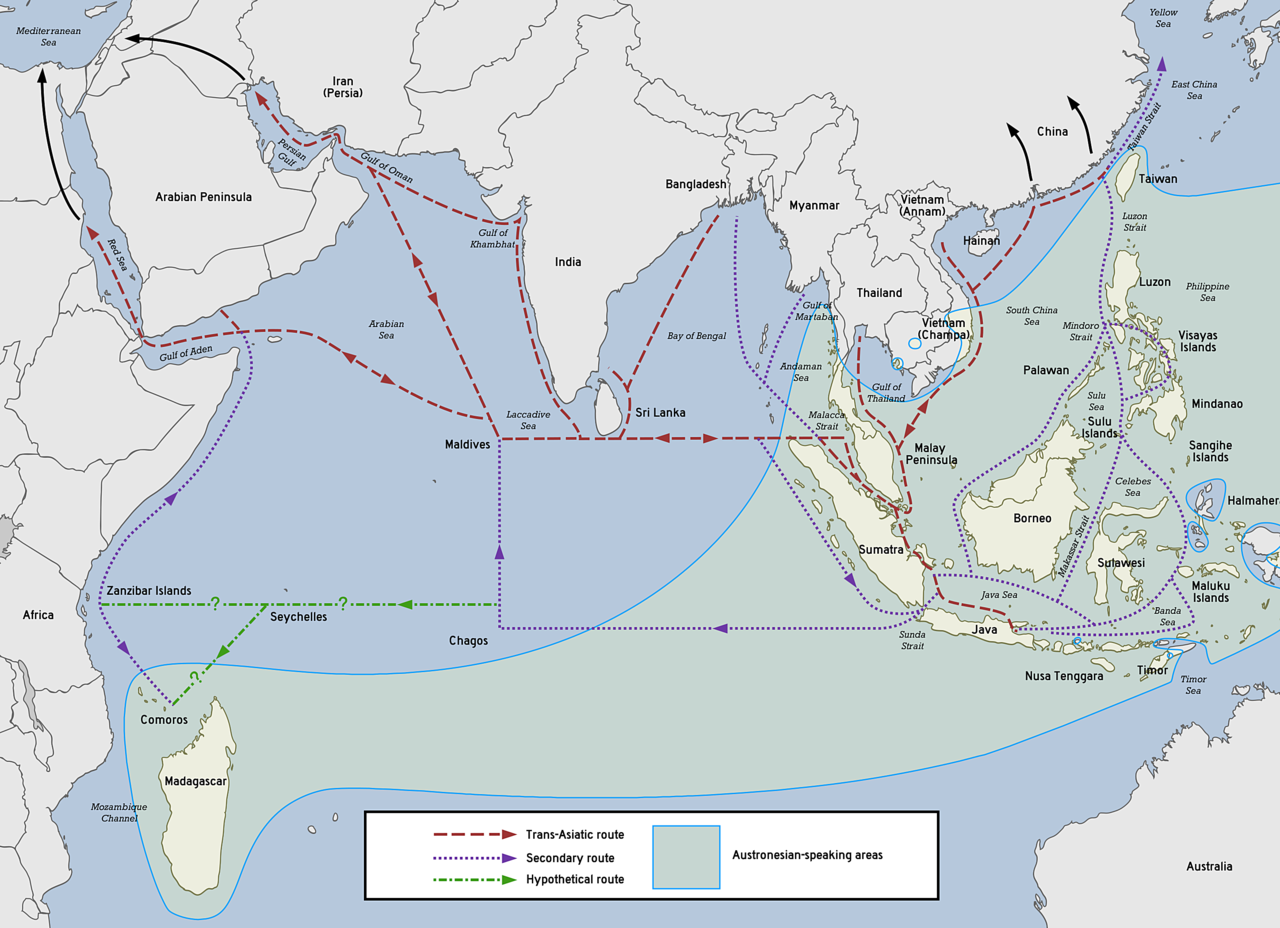
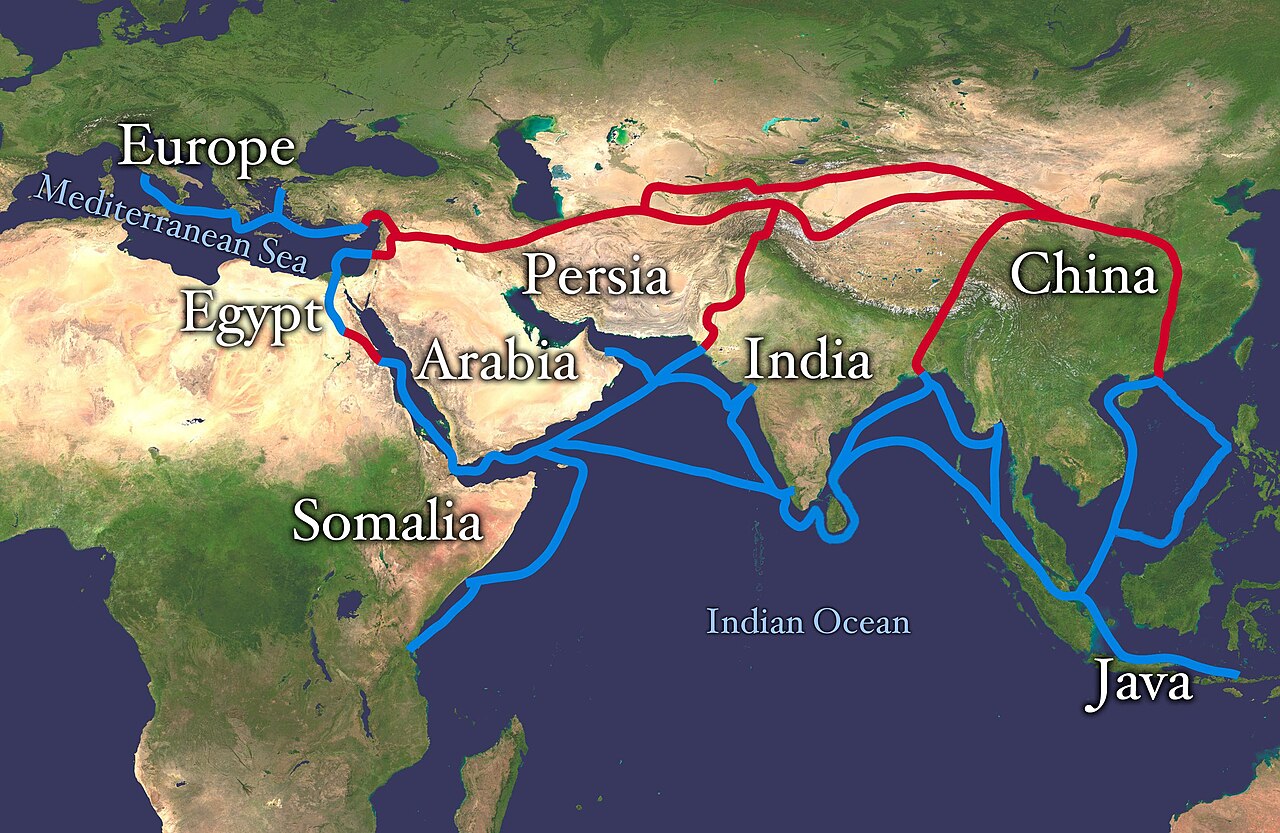
Human trade has ancient roots. Early communities exchanged items directly in systems now called barter, trading grain, tools, livestock or labor for other goods. Over millennia people developed standardized units of value and mediums of exchange to simplify transactions, giving rise to coins, paper money and banking. As transportation and communications improved, regional markets expanded into long-distance and international trade, fostering specialized production, new institutions and regulatory systems.
Forms and mechanisms
- Barter: direct exchange of goods and services without a common medium.
- Monetary trade: transactions using currency, bank transfers or payment systems.
- Retail and wholesale: different scales and distribution chains within markets.
- Spot and contract trades: immediate exchanges versus future or contingent agreements.
- Digital/electronic trade: online sales of physical goods or intangible services and data.
Importance and effects
Trade drives economic activity by enabling specialization and efficient allocation of resources. It can increase prosperity, spread technologies and ideas, and create interdependence among individuals and nations. However, trade also produces winners and losers: some sectors expand while others contract, and distributional and environmental consequences often lead societies to regulate or negotiate trade rules. International trade additionally raises issues of currency exchange, tariffs and standards.
Notable distinctions and practical notes
Although the word "trade" covers many activities, distinctions matter: barter differs from monetary trade in liquidity and scalability; domestic trade is governed largely by local law while international trade relies on treaties and global institutions; voluntary trade contrasts with coerced transfers like tribute or forced requisition. For practical guidance and further reading about methods, legal frameworks and modern marketplaces, see general resources on goods and services and payment systems.
Related articles
Author
AlegsaOnline.com Trade (exchange of goods, services and value) Leandro Alegsa
URL: https://en.alegsaonline.com/art/101021