
Ironbridge Gorge — the Severn Gorge and the birthplace of the Industrial Revolution
Deep river gorge in Shropshire noted for early iron production, pioneering industrial sites and the cast-iron Iron Bridge; designated a UNESCO World Heritage Site for its role in industrial history.
Overview
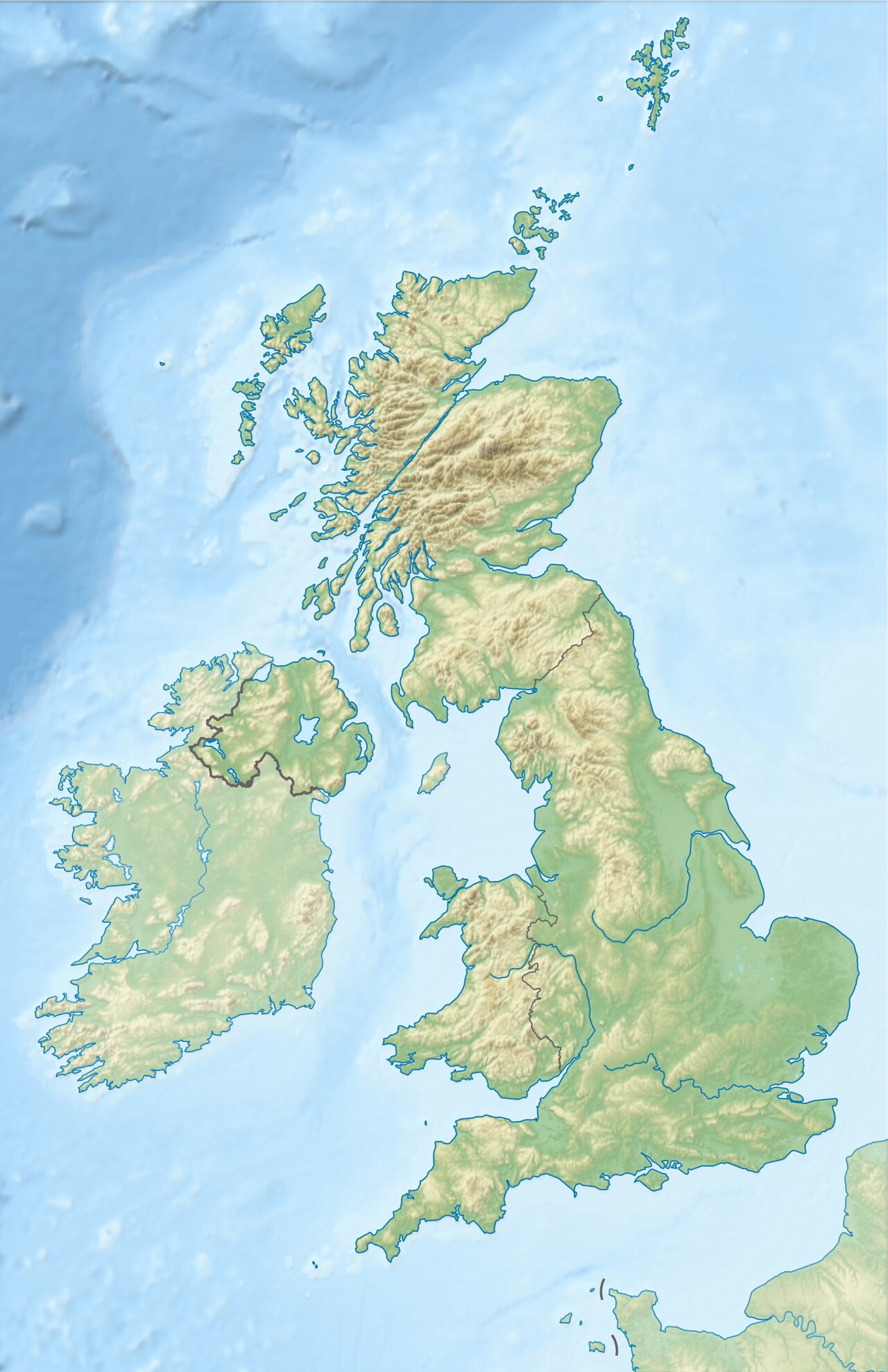
The Ironbridge Gorge is a steep-sided valley cut by the River Severn in central Shropshire, England. Historically called the Severn Gorge, the area is internationally recognised for its concentration of early industrial sites and landscape shaped by mining and metalworking. Because of its exceptional testimony to the beginnings of modern industry, the gorge has been inscribed as a World Heritage Site by UNESCO.
Image gallery
10 Images




Characteristics and principal features
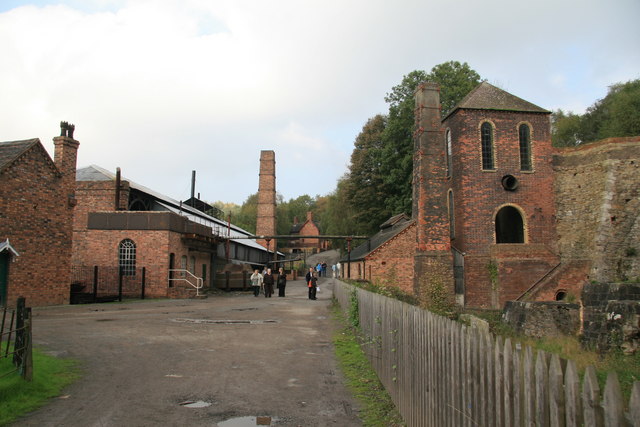
The gorge contains a dense ensemble of surviving industrial remains and associated communities. These include ironworks and factories, coal and ore workings, workshops, furnaces, and rows of workers' housing. The transport corridors and canals cut into the valley illustrate the transport infrastructure that supported large-scale production. Local processes such as the use of coke in fuel and its production were important technological developments that helped increase iron output.
Historical development
From the mid-18th century the gorge became a focal point for experimentation in smelting and metal casting. Innovators and industrial entrepreneurs located furnaces in the valley to take advantage of nearby coal, ironstone and water power. The area became particularly well known for the first large-scale use of cast metal in engineering, best symbolised by the famous Iron Bridge spanning the river — a landmark in the history of construction made principally from cast iron.
Importance and present day
Ironbridge Gorge is significant both for the technological advances that emerged there and for the social changes they brought: new work patterns, specialised housing and expanding transport networks. Today the landscape is a mixture of conserved industrial archaeology, museums, recreated workshops and visitor facilities that interpret the transformation from pre-industrial to industrial society. The site attracts historians, engineers and tourists interested in the origins of modern manufacturing.
Notable facts and distinctions
- The gorge is often described as a cradle of the Industrial Revolution because of its early concentration of iron production and related industries.
- Surviving structures and layouts provide a rare, tangible record of 18th- and early 19th-century industrial processes and community life.
- Conservation efforts combine landscape protection with museum interpretation to explain technological, economic and social change.
For more detailed information and visitor resources see regional guides and specialist publications that examine the industrial archaeology and social history of the area in depth.
Questions and answers
Q: In which country is the Ironbridge Gorge located?
A: The Ironbridge Gorge is located in Shropshire, England.
Q: What is the significance of the Ironbridge Gorge?
A: The Ironbridge Gorge is significant because it was the location where the industrial revolution started in the mid-1700s.
Q: Why was the Ironbridge Gorge made a World Heritage Site by UNESCO?
A: The Ironbridge Gorge was made a World Heritage Site by UNESCO because of its historical importance as the birthplace of the industrial revolution.
Q: What can be found in the Ironbridge Gorge?
A: The Ironbridge Gorge has mines, factories, workers' housing, and transport infrastructure that was created during the Industrial Revolution.
Q: What role did coke production play in the Industrial Revolution in the Ironbridge Gorge?
A: Coke production in the Ironbridge Gorge helped start the Industrial Revolution in that area.
Q: What is the Iron Bridge?
A: The Iron Bridge is the world's first bridge built from iron.
Q: Why is the Iron Bridge significant?
A: The Iron Bridge is significant because it was the world's first bridge built from iron, which was a groundbreaking development in engineering and construction during the Industrial Revolution.
Related articles
Author
AlegsaOnline.com Ironbridge Gorge — the Severn Gorge and the birthplace of the Industrial Revolution Leandro Alegsa
URL: https://en.alegsaonline.com/art/48230
Sources
- whc.unesco.org : "Ironbridge Gorge"