
Anura: frogs and toads — biology, diversity, and conservation
Anura is the amphibian order of frogs and toads. This article explains their anatomy, life cycle, diversity, evolution, ecological roles, human interactions, and conservation challenges.
Overview
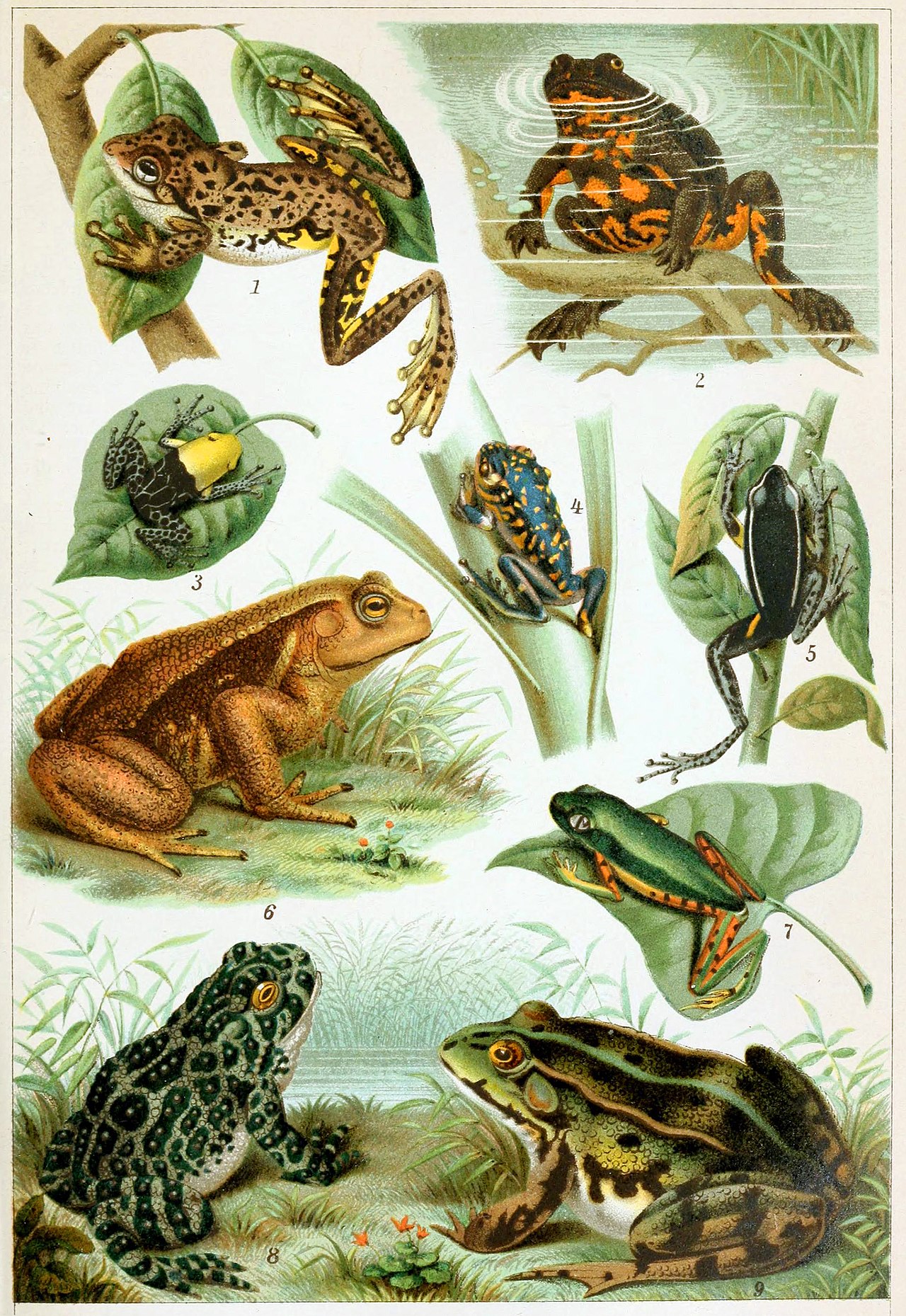
The order Anura comprises the animals commonly called frogs and toads. It is the largest group of living amphibians, containing the majority of known amphibian species worldwide (species estimates vary as new taxa are described). Anurans occupy a wide range of habitats from tropical rainforests and temperate wetlands to deserts and high mountains, and they display a broad variety of life histories and forms.
Image gallery
10 Images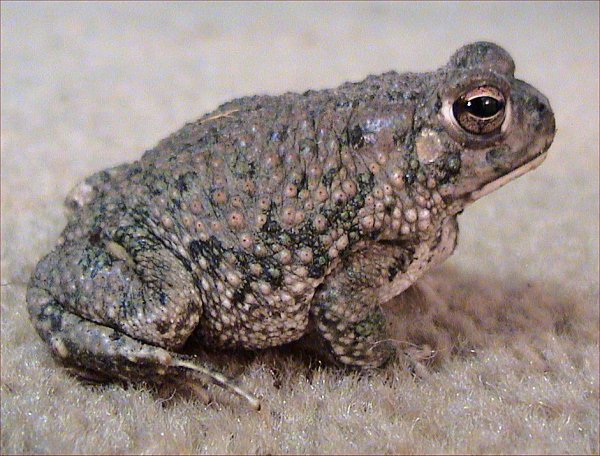





Anatomy and adaptations
Anurans share a characteristic body plan: a compact, tailless body, large hind limbs adapted for jumping, and a head with a wide mouth and prominent eyes. Many species have webbed feet that aid swimming (webbed digits), while arboreal species possess adhesive toe pads for climbing (tree frogs). Skin structure varies: some anurans have smooth, moist skin that supports cutaneous respiration, while others develop tougher, drier skin with glands that produce defensive secretions (warty or glandular skin).
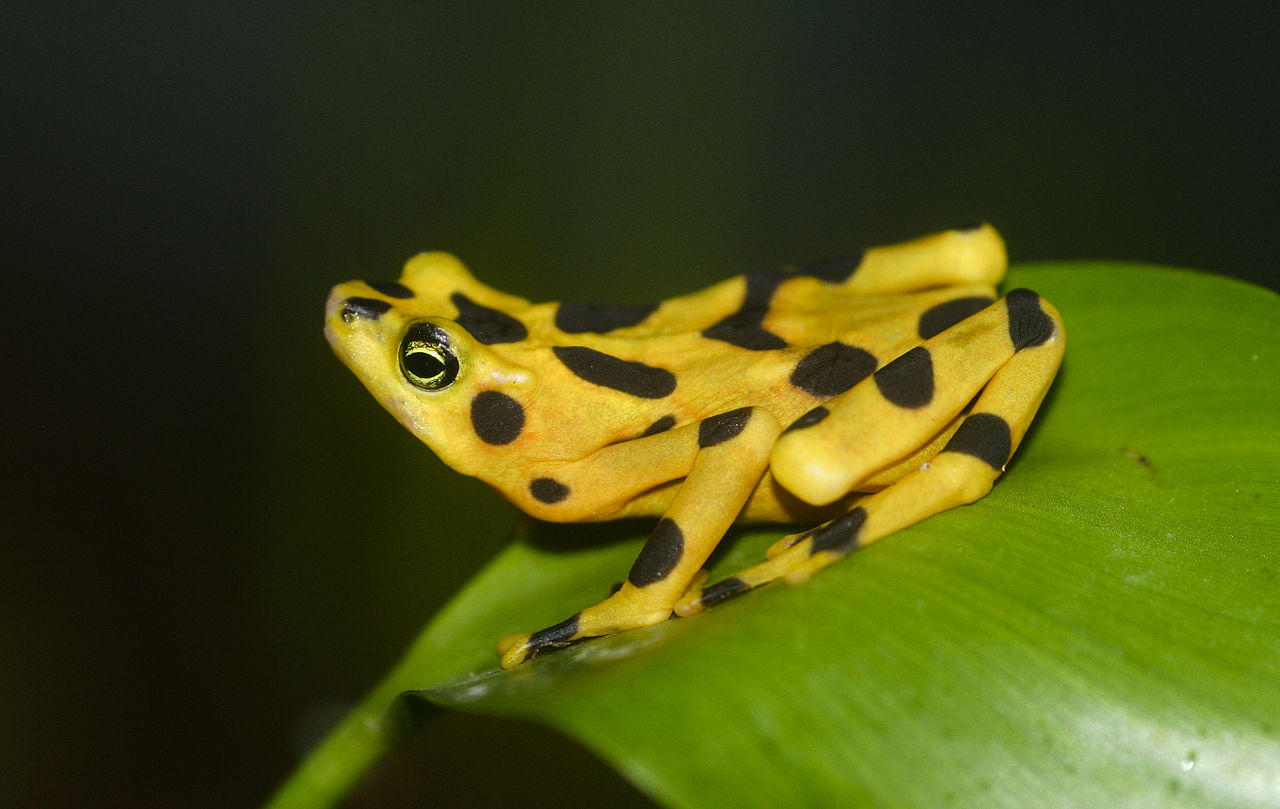
For defense, certain groups secrete toxins from skin glands (chemical defenses) or display aposematic coloration. These traits have evolved repeatedly across the group, an example of convergent evolution (convergent traits). The distinction between "frog" and "toad" is largely colloquial rather than taxonomic; only some families (for example the "true toads", Bufonidae) are commonly labelled as toads, while other families include species widely called frogs or toads without a formal division (taxonomic notes).
Life cycle and behavior
Most anurans have a two-stage life cycle with aquatic eggs and a free-living larval stage (tadpole) that metamorphoses into the adult form. Breeding behavior often includes males calling to attract mates using specialized vocal sacs and external fertilization in a clasp called amplexus. However, reproductive modes are diverse: some species lay eggs in water, others deposit eggs on land or in foam nests, and a number of groups exhibit direct development where hatchlings emerge as miniature adults, bypassing a free-swimming tadpole stage.
Sensory adaptations include a tympanum (external eardrum) for detecting calls (tympanum) and a variety of tongue and jaw morphologies for catching prey. Diets are typically carnivorous as adults, consisting mainly of invertebrates, and some larger species are opportunistic predators of vertebrates (African bullfrog is an example of a large predatory species).
Evolution and fossil record
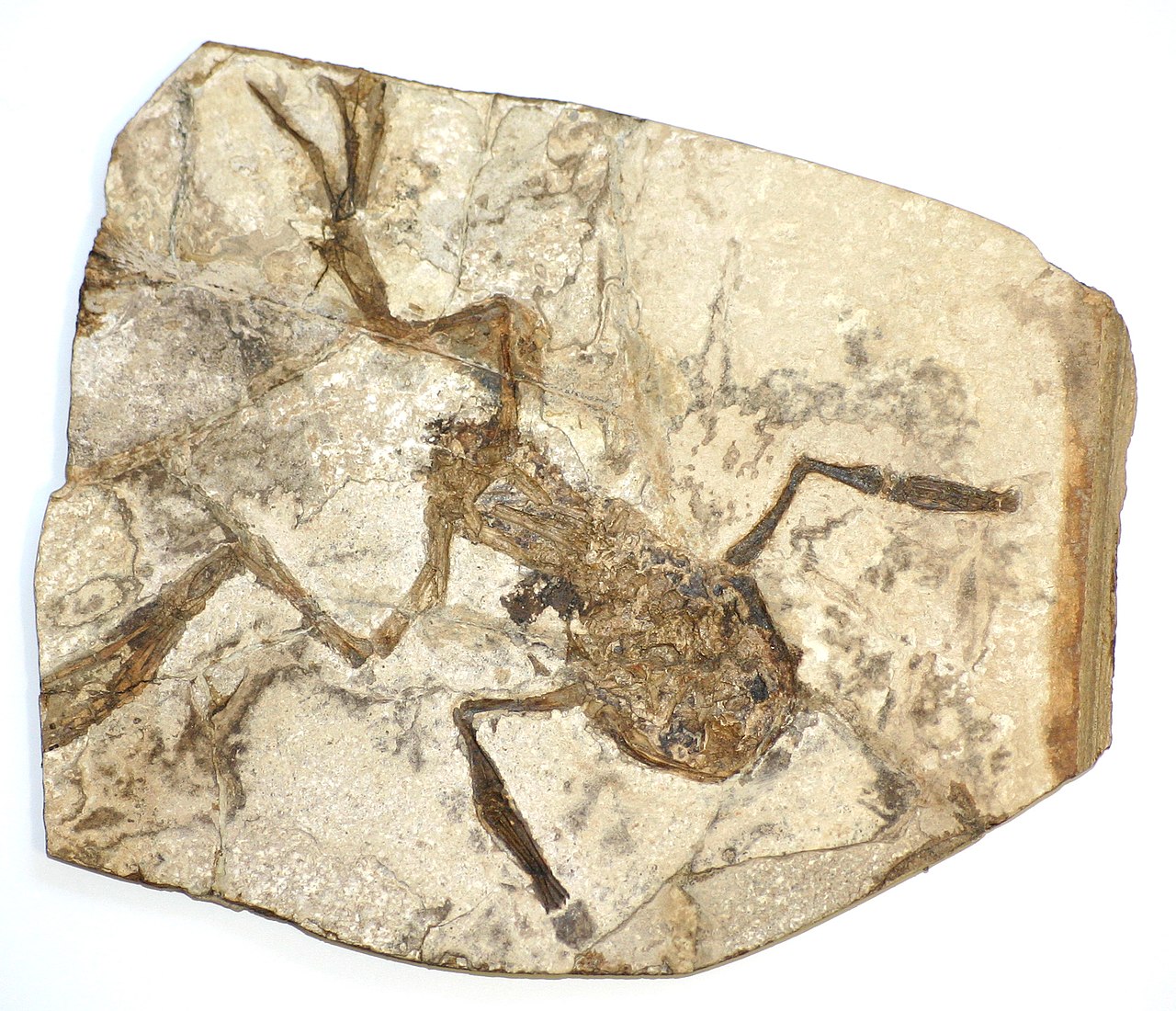
Anurans have a deep evolutionary history with fossil representatives known from Mesozoic deposits; the group diversified long before the present day. Modern clades such as the Neobatrachia include many of the world's familiar frogs and contain both harmless and chemically defended species (for example, Neobatrachia members and poison dart frogs in tropical regions). Some taxa obtain alkaloid toxins indirectly from their diet, a fact relevant to both ecology and medical research (toxin origins).
Ecological roles, human uses, and conservation
Anurans play central roles in many ecosystems as insect predators and as prey for birds, mammals, reptiles and fish. They are indicators of environmental health because their permeable skin and complex life cycles make them sensitive to pollutants, habitat changes and disease. Amphibian declines worldwide have been driven by habitat destruction, climate change, pollution, invasive species and pathogens such as chytrid fungi. As a result, many anuran species are the focus of conservation programs and captive-breeding efforts.
Humans have used frogs in research (developmental biology, toxicology, physiology), education, and, in some cultures, as food. Analyses of anuran toxins have informed pharmacology and neuroscience. Conservationists emphasize habitat protection, disease management and monitoring to sustain wild populations.
Notable distinctions and common misconceptions
- Frog vs. toad: The terms refer to common appearances and ecological habits rather than to a strict scientific split; many so-called "toads" are not in a single related group (see taxonomic notes).
- Toxicity: Some species are highly toxic to predators and humans; in many cases toxicity is acquired from diet (poison dart frogs, toxin sources).
- Breeding diversity: Anurans exhibit an extraordinary range of reproductive strategies including aquatic spawning, terrestrial egg deposition, foam nests, parental care and direct development.
For introductory references and resources on classification, natural history and conservation of anurans, consult regional field guides and databases (Anura overview, common names, species lists, morphology, skin glands, chemical ecology, habitat adaptations, convergent evolution, taxonomy, Bufonidae, arboreal forms, auditory anatomy, large species, clade Neobatrachia, toxic species, toxin ecology).
Questions and answers
Q: What is the order Anura?
A: The order Anura includes frogs and toads, which are the most successful living amphibians judged by number of species.
Q: What is the difference between frogs and toads?
A: There is no fundamental difference between frogs and toads, but they can be distinguished by their appearance. Frogs have smooth skin while toads have warty skin that produces toxic slime. These features have evolved independently through convergent evolution.
Q: What features do frogs have?
A: Frogs typically have a short body, webbed digits (fingers or toes), protruding eyes, forked tongue and no tail. They also possess long powerful legs that help them jump great distances.
Q: How do tree frogs move around?
A: Tree frogs use their sticky hands to climb on any surface, allowing them to move around easily.
Q: Do all frog species have a tympanum membrane?
A: Yes, all frog species possess a tympanum membrane located between their ears and eyes.
Q: Are male African bullfrogs larger than female African bullfrogs? A: Yes, male African bullfrogs can reach up to 91⁄2-10 inches in length while females only grow up to 41⁄2 inches in length.
Q: Can some frog species kill humans?
A: Yes, some frog species belonging to the suborder Neobatrachia such as poison dart frogs and Mantellinae frogs can be poisonous enough to kill humans due to toxins acquired from their food sources.
Tags
Related articles
Author
AlegsaOnline.com Anura: frogs and toads — biology, diversity, and conservation Leandro Alegsa
URL: https://en.alegsaonline.com/art/4796