
Mantellinae — the colorful Malagasy frogs
Mantellinae is a subfamily of frogs native to Madagascar and nearby islands, known for bright warning colors, toxic skin alkaloids, and a radiation of more than 100 species important to island ecosystems.
Overview
Mantellinae is a subfamily of frogs endemic to the western Indian Ocean region. Members of this group are best known for their vivid coloration and, in many species, chemical defenses. They represent a significant portion of Madagascar's amphibian diversity and attract attention from researchers, conservationists and hobbyists.
Image gallery
2 Images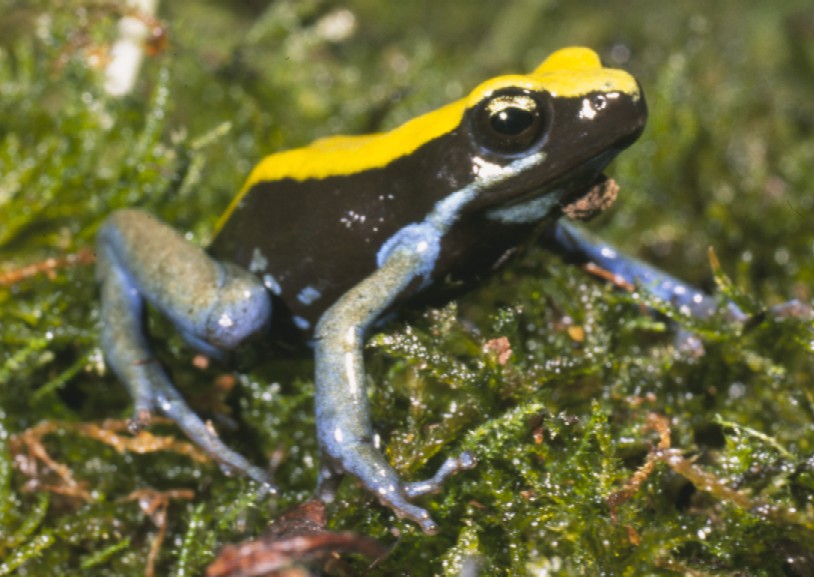
Classification and diversity
These frogs belong to the broader family Mantellidae, a lineage that diversified on Madagascar. Taxonomic treatments and revisions of the group are available in specialist works and databases (see taxonomic resources). The subfamily includes several genera, and collectively the clade contains more than one hundred described species, with new taxa occasionally recognized by scientists.
Distribution and habitat
Mantellinae are native to the island of Madagascar and to nearby islands such as Mayotte. Within these islands they occupy a range of habitats including rainforests, humid lowland forests, and some montane zones. Different species may be arboreal, terrestrial, or associated with streams and leaf litter.
Appearance, toxins and mimicry
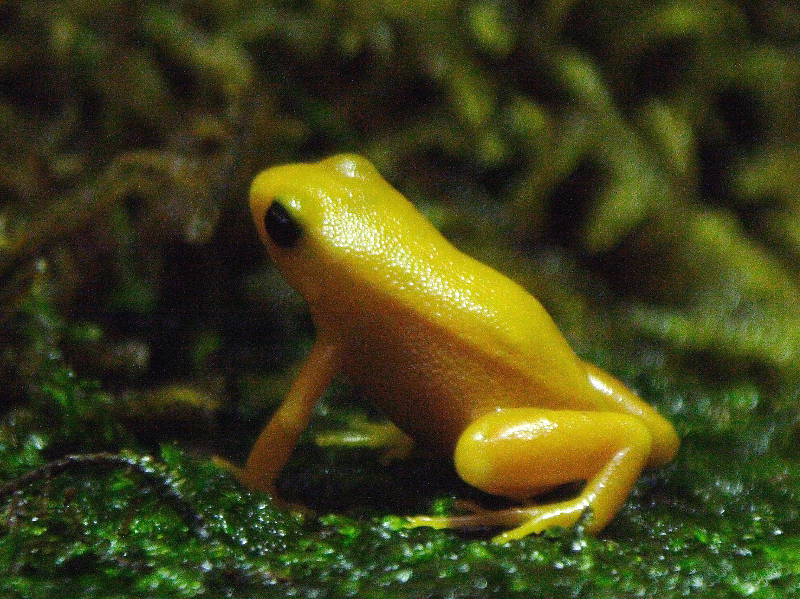
Many mantelline frogs display bright orange, yellow, green or black patterns that serve as warning coloration (aposematism). Several species produce or sequester alkaloid skin toxins derived from their diet of small arthropods; this chemical defense is similar to—and an example of convergent evolution with—the Neotropical poison dart frogs. Their striking looks and toxicity make them easy to recognize in the field.
Ecology, conservation and human interest
Mantellines play roles as both predators of small invertebrates and prey for larger animals; their toxins influence predator–prey interactions. Conservation concerns include habitat loss, fragmentation and collection for the pet trade. Many species have restricted ranges, so local habitat protection is important. For an overview of described taxa and species counts, consult a specialist list (species checklist).
Notable facts and distinctions
- Well-known genus: the small, brightly colored mantellas are popular examples of mantelline aposematism.
- Convergent evolution: similarities to South American poison frogs illustrate parallel solutions to predator avoidance.
- Endemism: most mantelline species are found nowhere else on Earth, reflecting Madagascar's long isolation.
Research on Mantellinae continues to refine their taxonomy, ecology and conservation status. Their combination of vivid appearance, unique chemistry and island endemism makes them a distinct and important component of Madagascar's fauna.
Related articles
Author
AlegsaOnline.com Mantellinae — the colorful Malagasy frogs Leandro Alegsa
URL: https://en.alegsaonline.com/art/61429