
Australian green tree frog (Litoria caerulea)
Litoria caerulea, the Australian green tree frog or White's tree frog, is a large, docile arboreal frog native to Australia and New Guinea, common near people and studied for skin peptides with medical potential.
Overview
The Australian green tree frog (Litoria caerulea), commonly called White's tree frog or the dumpy tree frog, is a frequently encountered tree frog native to Australia and New Guinea. It is noted for its relatively large size among Australasian tree frogs, calm disposition, and ability to live close to people. The species has been transported beyond its native range on ships and through the pet trade.
Image gallery
10 Images
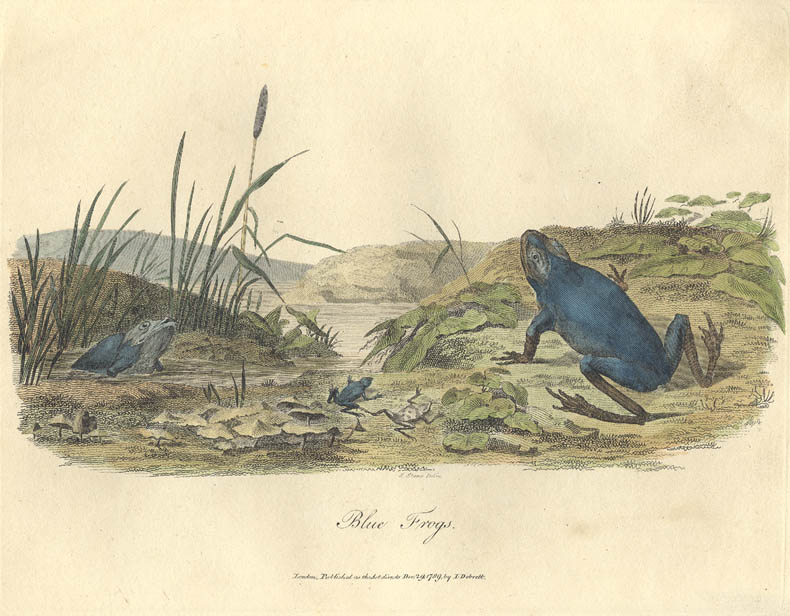





Description
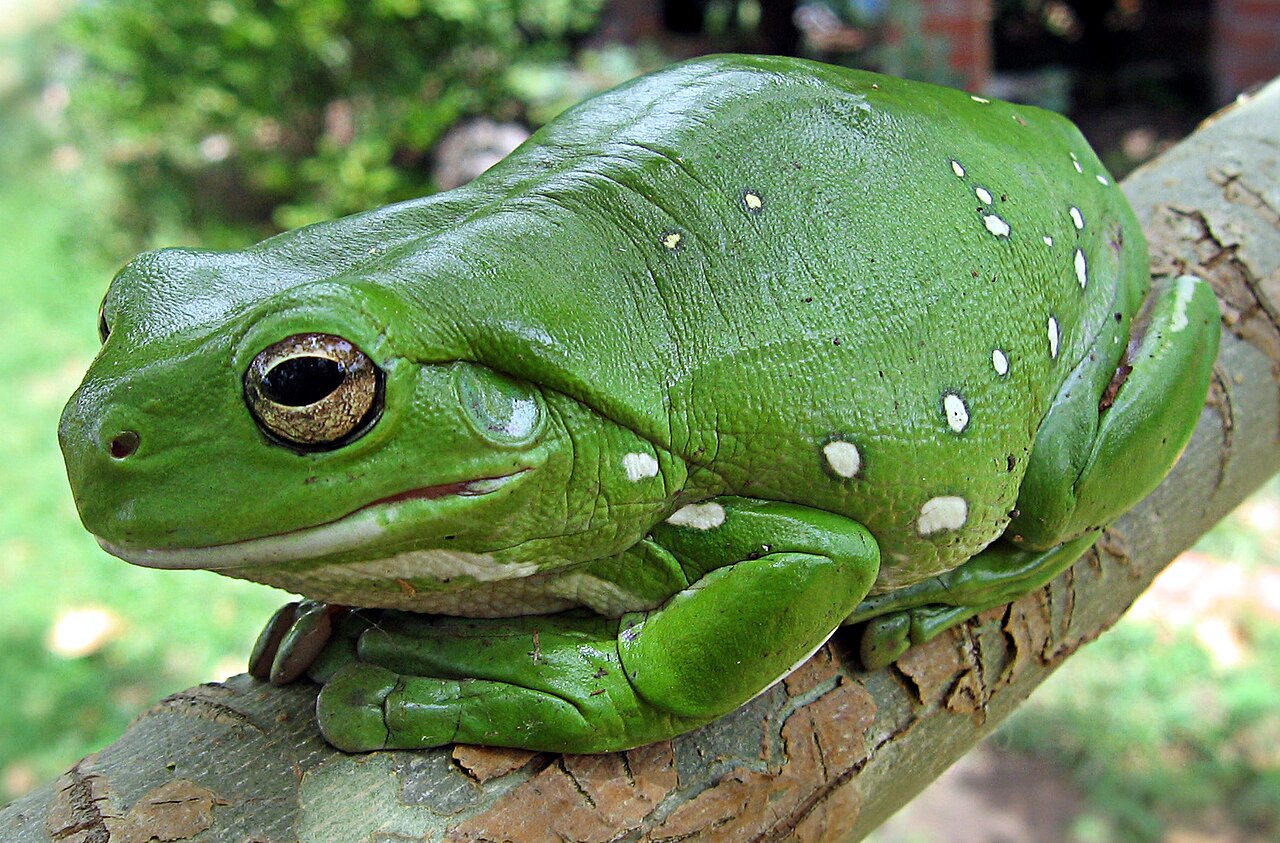
Adults are stout and muscular with smooth, somewhat leathery skin that ranges from bright green to olive or brown, often with a pale stripe along the upper lip. Typical adult snout–vent length is about 8–10 cm (3–4 inches), though size varies with region and habitat. Large toe pads and webbed hind feet help with climbing and swimming. Eyes are prominent and forward‑facing, and the body shape gives a distinctive rounded, "dumpy" appearance that has contributed to the common names.
Distribution and habitat
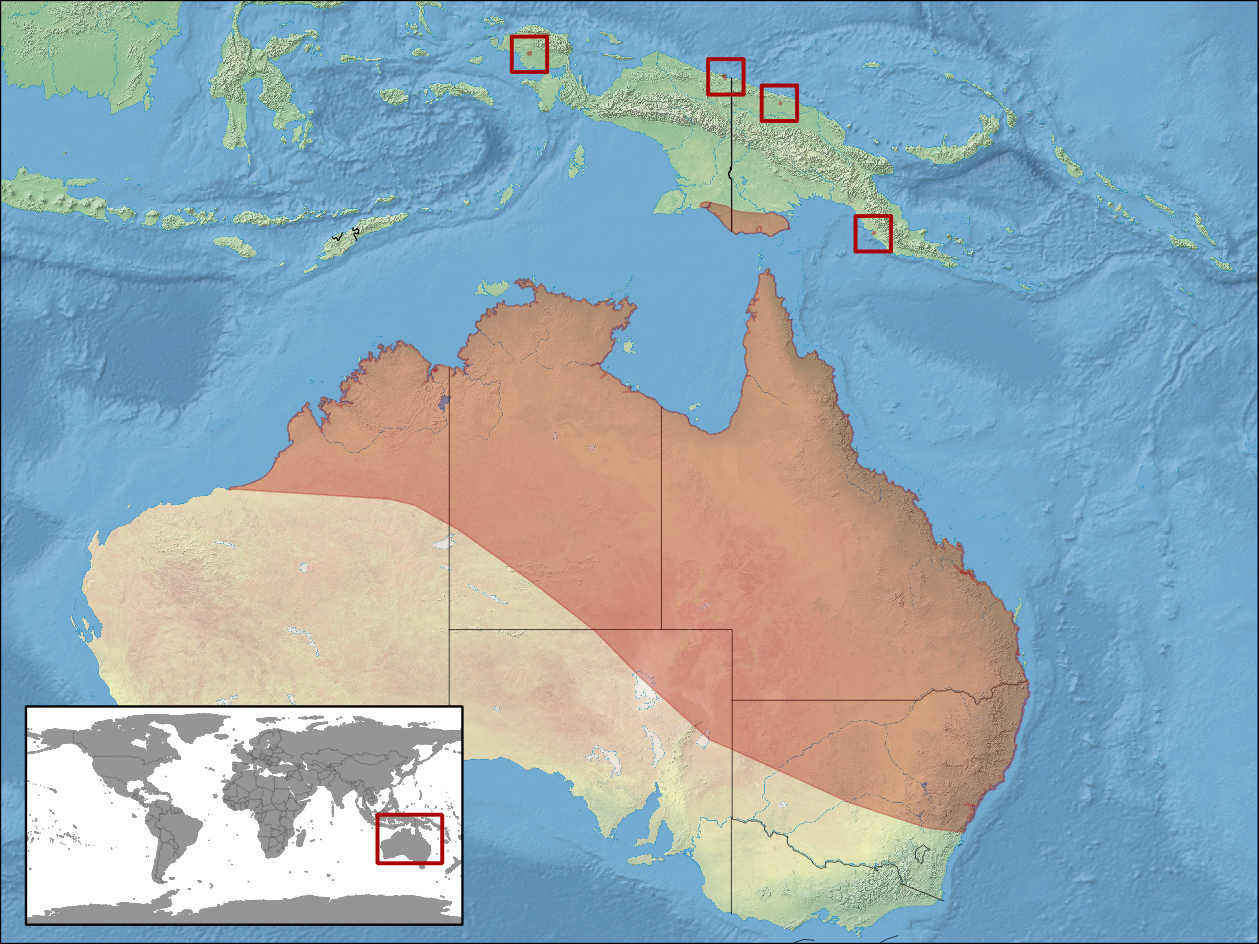
Litoria caerulea occupies a variety of habitats including woodlands, wetlands, swamps and suburban gardens, and it frequently shelters in roof spaces, drains and other man‑made structures. Native populations are concentrated in northern and eastern Australia and parts of New Guinea. Small introduced populations have been recorded elsewhere after accidental or deliberate human movement.
Behavior and diet
The species is primarily nocturnal. Green tree frogs are opportunistic feeders, taking insects and other invertebrates, and occasionally small vertebrates. They are strong climbers and will often sit on external walls and windows at night where insects are attracted by lights. When disturbed they may produce a loud distress call; individuals handled by people commonly emit a high‑pitched squeak. Their behavior and tolerance of human proximity make them familiar to many residents in their range.
Reproduction and development
Breeding usually occurs in still or slow moving water. Males call to attract females, and females lay clutches of eggs that develop into aquatic tadpoles before metamorphosing into juvenile frogs. Reproductive timing and clutch size vary with climate, water availability and local conditions.
Lifespan and care in captivity
In the wild lifespan is shorter than in protected conditions, but in captivity individuals commonly live into their mid‑teens; records show many reach around sixteen years with appropriate care. Because of their placid temperament and straightforward husbandry needs they are a popular captive species, but keeping any amphibian requires attention to humidity, temperature, diet and biosecurity to avoid disease transfer.
Conservation, threats and research
The species is generally not considered highly threatened and is listed as having a secure status in many assessments, but local populations may be affected by habitat loss, pollution and emerging diseases such as chytridiomycosis that impact amphibians worldwide. Researchers have studied antimicrobial and antiviral compounds in the frog's skin secretions; these bioactive peptides have attracted interest for possible biomedical applications, though such work is complex and ongoing.
Taxonomy and similar species
Litoria caerulea belongs to the Australasian tree frog group and is related to other large tree frogs such as the magnificent tree frog and the giant tree frog. Taxonomic arrangements of Australasian hylid frogs have been refined in recent decades, and the genus Litoria includes a number of visually similar species; careful comparison of morphology, call and range is needed for positive identification in some areas.
Human interactions
Green tree frogs are one of the most recognizable Australian frogs because of their size, color and habit of occurring near homes. They are used in education and outreach owing to their tolerance of handling, although handling should be minimized to avoid stressing the animal and to protect its skin secretions. Responsible pet ownership, habitat protection and disease monitoring are important to conserve amphibian diversity.
Further links
- Overview: Green tree frog (Australia)
- Species profile and taxonomy
- Tree frog group information
- Distribution in Australia and New Guinea
- Historical introductions (United States)
- Introductions and status in New Zealand
- Genus Litoria overview
- Taxonomic notes on Litoria
- Related species: magnificent tree frog
- Size comparisons among Australian frogs
- Metric and imperial length conversions
- Lifespan information in captivity
- Captive care and husbandry
- Behavior and habitat studies
- Pet trade considerations
- Exotic pet regulation and welfare
- Skin secretions and antimicrobial activity
- Medical research into amphibian peptides
- Conservation and research resources
Questions and answers
Q: What is the scientific name of the Australian green tree frog?
A: The scientific name of the Australian green tree frog is Litoria caerulea.
Q: Where does the green tree frog live?
A: The green tree frog lives in Australia and New Guinea.
Q: How big can a green tree frog grow?
A: Green tree frogs can reach up to 10 centimeters (4 inches) in length.
Q: What is the average lifespan of a green tree frog if kept captive?
A: The average lifespan of a green tree frog if kept captive is about sixteen years.
Q: How does a green tree frog defend itself from predators?
A: When threatened, the green tree frog will scream to scare off animals that have threatened them.
Q: What sound does a green tree frog make when it is touched?
A: When touched, the green treefrog squeaks.
Q: Why is the Australian Green Tree Frog so recognizable in Australia? A: The Australian Green Tree Frog is so recognizable in Australia because of its distinct appearance and behavior in its habitat, as well as being popular exotic pet throughout the world.
Tags
Related articles
Author
AlegsaOnline.com Australian green tree frog (Litoria caerulea) Leandro Alegsa
URL: https://en.alegsaonline.com/art/7488