
Alligator: biology, taxonomy, behavior, and conservation
Overview of alligators: two living species, physical traits, habitat, behavior, fossil history, relationship to other crocodylians, and conservation status and human interactions.
Overview
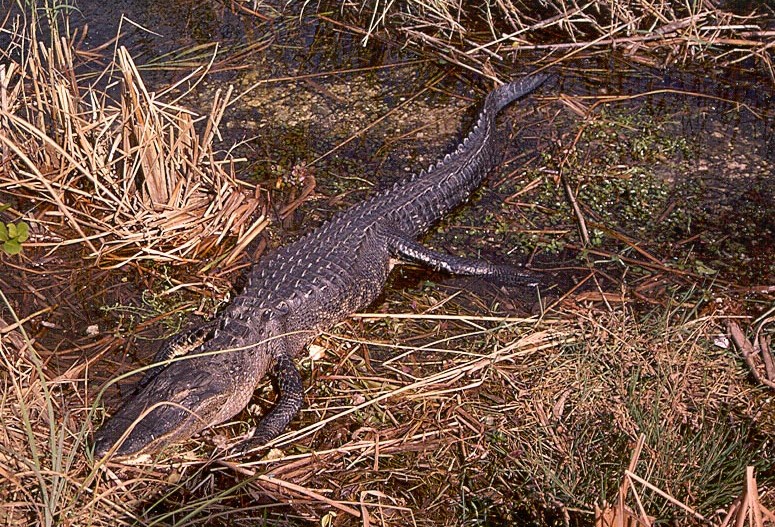
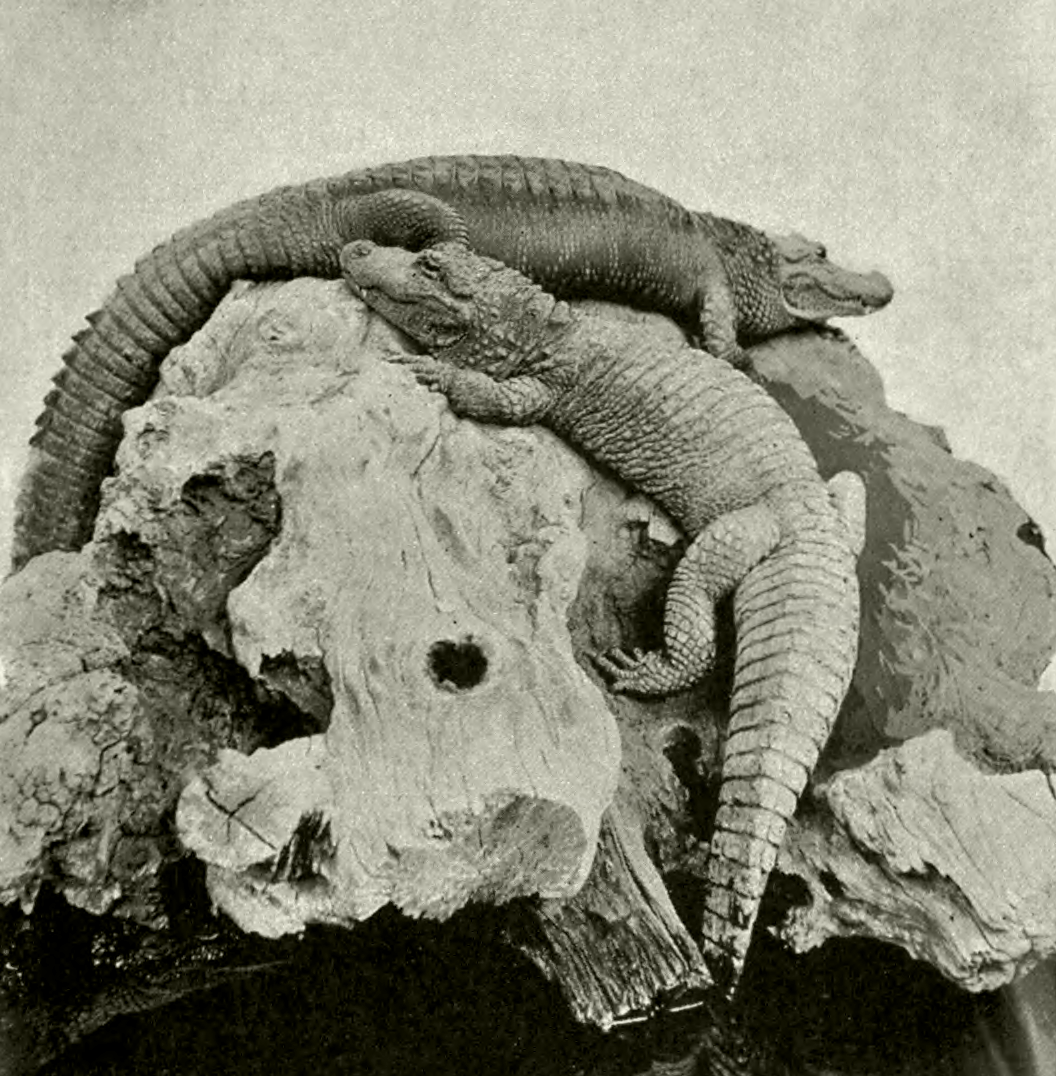
Alligators are large, semi-aquatic reptiles of the genus Alligator within the order Crocodilia. Two species survive today: the American alligator and the smaller Chinese alligator, sometimes discussed as the two extant species in the genus. Together with caimans, gharials, and crocodiles they form the living representatives of Crocodilia and share many ancient traits with their fossil relatives.
Image gallery
10 Images




Physical characteristics
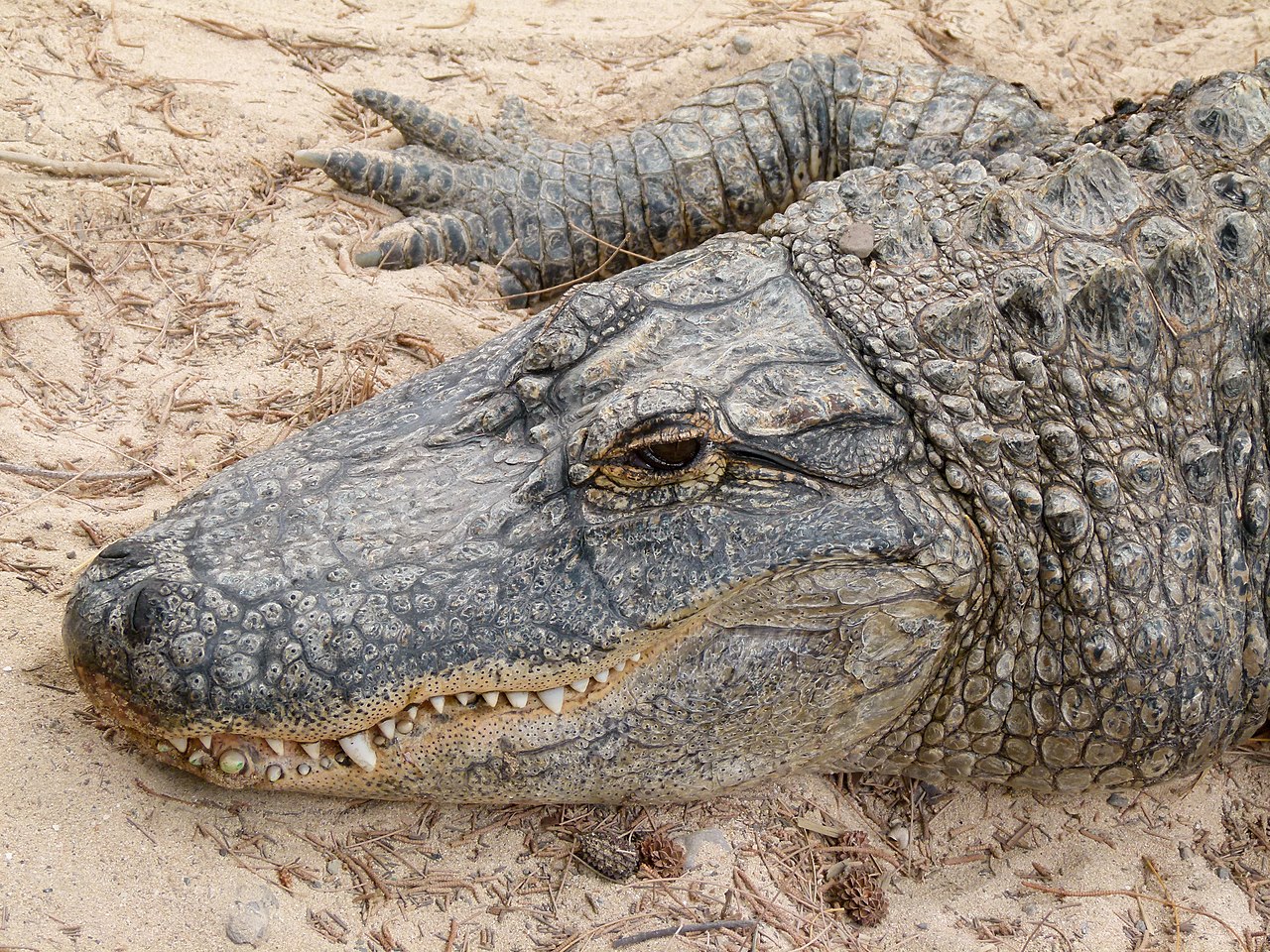
Alligators are characterized by broad, rounded snouts, thick armored skin with osteoderms, and strong tails used for swimming. Compared with true crocodiles they display a wider snout and a different tooth alignment: when an alligator's jaws are closed the upper teeth typically overlap the lower ones so fewer lower teeth are visible. Salt-excreting glands are less developed than in many crocodiles, which contributes to the alligator preference for freshwater.
Behavior, diet and reproduction
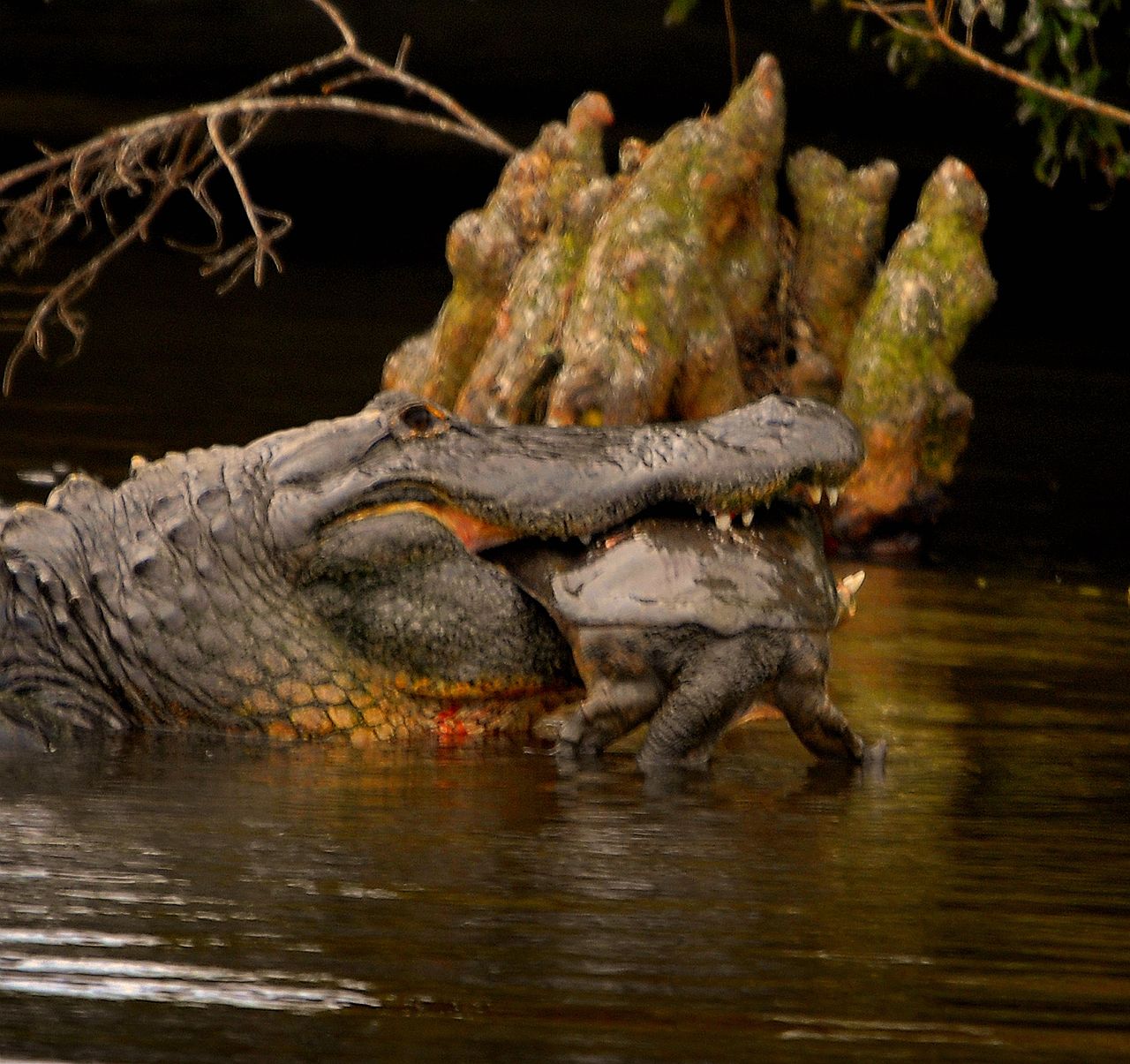
Alligators are opportunistic predators and scavengers that feed on fish, amphibians, birds, mammals and invertebrates. They use stealth and sudden bursts of speed in water to capture prey. Reproduction involves courtship displays in water, nest-building of vegetation or soil, and guarded broods: females protect nests and often tend hatchlings after they emerge — a relatively advanced form of parental care among reptiles.
Distribution and habitat
The American alligator occupies freshwater wetlands, marshes and rivers of the southeastern United States. The Chinese alligator has a much more restricted range in eastern China and occupies riverine and agricultural landscapes where remnant populations persist. Human-driven habitat loss and historical hunting drastically reduced populations, although conservation measures have helped some populations recover.
Taxonomy, fossil record and relatives
Alligators belong to the family Alligatoridae, which also includes the caimans. Other crocodylian families include the gavialids (gharials) — gharials — and the true crocodiles — crocodiles. Fossil evidence shows that early alligator-like forms appeared tens of millions of years ago; some studies cite origins around 37 million years ago, though many extinct species and lineages are known from older deposits and later radiations — see records of extinct alligator species for details.
Importance and conservation
Alligators play key ecological roles as apex or mesopredators, helping regulate wetland food webs and creating habitat for other species through activities such as nest and burrow construction. The American alligator is a widely cited conservation success story after legal protection and habitat management allowed population recovery. The Chinese alligator remains endangered and the focus of captive breeding and habitat-restoration efforts. Human interactions include regulated hunting, farming for leather and meat in some regions, and coexistence challenges where urban development encroaches on wetlands.
Questions and answers
Q: What is Alligator?
A: Alligator is a genus in the order Crocodilia.
Q: How many living species of alligator are there?
A: There are two living species of alligator: the American alligator and the smaller Chinese alligator.
Q: What are the other three species that make up the order Crocodilia?
A: The other three species that make up the order Crocodilia are caimans, gharials, and crocodiles.
Q: How old are the first alligators known to man?
A: The first alligators existed about 37 million years ago.
Q: Have there been other species of alligators that are now extinct?
A: Yes, there are older species of alligators that have become extinct.
Q: What are the differences between the American and Chinese alligators?
A: The American alligator is larger compared to the Chinese alligator, which is smaller.
Q: Is Alligator a common animal in the wild?
A: Alligator can be found in the wild, depending on the location, but they are not considered to be a common animal.
Tags
Related articles
Author
AlegsaOnline.com Alligator: biology, taxonomy, behavior, and conservation Leandro Alegsa
URL: https://en.alegsaonline.com/art/2833
Sources
- species.wikimedia.org : Alligator
- commons.wikimedia.org : Alligator
- fossilworks.org : "Alligator Daudin 1809 (Alligator)"
- eparks.org : "American Alligator and our National Parks" · web.archive.org
- alligatorfur.com : "Alligator mississippiensis" · web.archive.org
- shekoos.wordpress.com : "The oldest alligator living in captivity"
- b92.net : "Naš Muja najstariji aligator na svetu"
- translate.google.com : English translation from Google Translate
- darwin.wcupa.edu : "Death roll of the alligator: mechanics of twist feeding in water"
- doi.org : 10.1242/jeb.004267
- pubmed.ncbi.nlm.nih.gov : 17690228
- myfwc.com : "Living with Alligators and Crocodiles"
- tracker.cci.fsu.edu : "Where Do Alligators Live?"