
Taxonomy: principles and practice of classifying organisms
Taxonomy is the scientific discipline of naming, describing and organizing living things into groups based on shared characteristics and evolutionary relationships.

Overview
Taxonomy is the scientific practice of identifying, naming and grouping organisms. It provides a structured framework for communicating about biodiversity. Historically rooted in morphological observation, modern taxonomy integrates genetic, ecological and evolutionary evidence to define and delimit taxa.
Image gallery
2 Images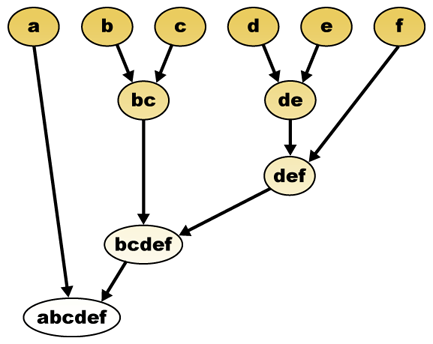

Core concepts and ranks
At its core taxonomy uses hierarchical ranks to arrange life from broad to specific. Common ranks include:
- Kingdom, Phylum, Class
- Order, Family, Genus, Species
Binomial nomenclature gives each species a two-part Latinized name (genus + specific epithet). Taxonomists follow codes of nomenclature that standardize naming so that names are stable and internationally understood.
History and methods
Modern taxonomy traces key developments to Carl Linnaeus, who popularized hierarchical classification and binomial names. Since then methods have evolved from purely morphological sorting to include molecular phylogenetics, cladistics and computational analyses. Different approaches—such as phenetic clustering or cladistic reconstruction—can produce alternative classifications for the same group, reflecting distinct aims or datasets.
Uses and importance
Taxonomy underpins many applied fields: conservation biology relies on accurate species lists, agriculture uses classification to manage pests and crop relatives, and medicine depends on correct identification of pathogens and vectors. Clear taxonomy helps assess biodiversity, monitor invasive species and inform policy.
Distinctions and notable points
Taxonomy is often treated together with systematics; taxonomy focuses on naming and classification, while systematics emphasizes evolutionary relationships and history. Some debates remain open—such as how to define a species across all organisms—which makes taxonomy a dynamic, evidence-driven field.
For more general background see overview resources and for discussions of underlying principles consult primary methodological summaries.
Questions and answers
Q: What is taxonomy?
A: Taxonomy is a branch of science that deals with the laws and principles of classifying living things.
Q: How does taxonomy classify living things?
A: Taxonomy uses laws and principles to organize living things into different categories or classifications.
Q: What type of taxonomy produces multiple classifications?
A: From one type of taxonomy, many classifications might be produced.
Q: Is taxonomy only related to living things?
A: Yes, taxonomy is specifically about the classification of living things.
Q: Does taxonomy involve any other scientific fields?
A: Taxonomy may involve other scientific fields such as biology, chemistry, and genetics in order to properly classify organisms.
Q: Are there different types of taxonomies?
A: Yes, there are various types of taxonomies depending on the organism being classified.
Related articles
Author
AlegsaOnline.com Taxonomy: principles and practice of classifying organisms Leandro Alegsa
URL: https://en.alegsaonline.com/art/96587
Sources
- highbeam.com : "Veni, vidi, vici – and now history"