
Neobatrachia: the diverse, derived frogs and toads
Neobatrachia is the largest suborder of Anura, comprising over 5,000 species of mostly modern frogs and toads with wide ecological, morphological, and reproductive diversity worldwide.
Overview
Neobatrachia is a major suborder within the order Anura, the group that contains all modern frogs and toads. It is considered the most derived or "advanced" assemblage of anurans (in the sense of being apomorphic rather than superior) and by far the largest, with well over 5,000 species globally. Neobatrachians account for the vast majority of living frog diversity and occur on most continents and many islands.
Image gallery
2 Images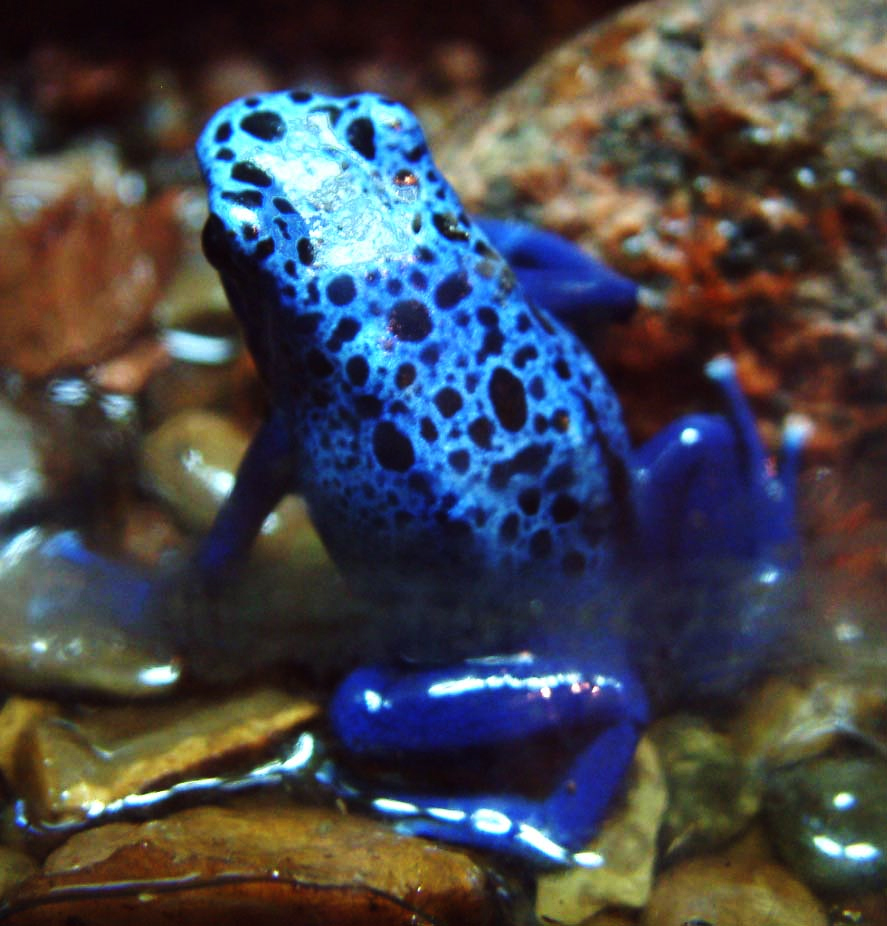
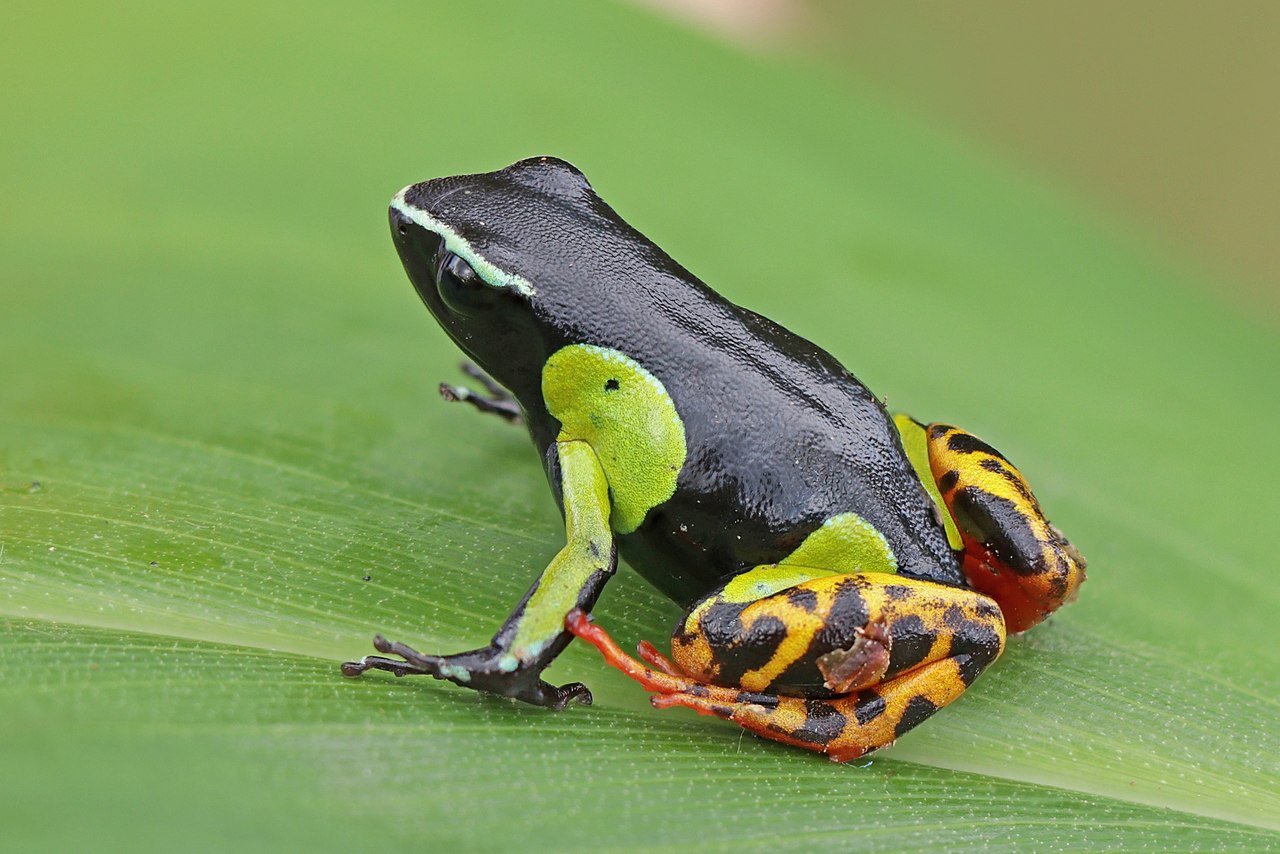
Characteristics
Members of this suborder are highly variable, but many share derived anatomical and life‑history traits that distinguish them from more basal anurans. Characteristic features often relate to skull and limb structure, vocal apparatus, and reproductive modes. Neobatrachia displays an especially wide range of body sizes, limb specializations (arboreal toe pads, burrowing limbs, powerful swimming legs), and mating calls.
Diversity and examples
The group includes familiar families such as true frogs (Ranidae), tree frogs (Hylidae), true toads (Bufonidae), glass frogs (Centrolenidae), and many others. Their lifestyles span aquatic, terrestrial, arboreal, and fossorial niches. Reproduction ranges from typical aquatic tadpoles to foam nests, direct development inside eggs, and various forms of parental care.
Evolution and classification
Neobatrachia is a clade recognized by both morphological and molecular studies and is divided into several major lineages—often summarized as large clades such as the Hyloidea and Ranoidea—reflecting deep evolutionary splits. The term "neobatrachian" emphasizes derived characters (see apomorphic) rather than any value judgment. Molecular clocks and fossils suggest much of the group's modern diversity arose from the late Cretaceous through the Cenozoic.
Ecological role and importance
Neobatrachian frogs are key components of many ecosystems: they consume invertebrates, serve as prey for larger animals, and influence nutrient cycles. Their varied life histories make them important subjects in studies of development, behavior, and conservation. Many species are sensitive to habitat change, pollution, disease, and climate shifts, so they are often used as bioindicators.
Notable distinctions and conservation
- Neobatrachia represents the majority of current anuran species and exhibits exceptional adaptive diversity.
- Taxonomic arrangements have been refined by DNA studies; family boundaries and relationships continue to be updated.
- Conservation status varies widely: while some neobatrachians are common, many are threatened by habitat loss, invasive species, pollution, and emerging diseases.
For further reading on frog classification and species lists, see broader treatments of Anura and resources that compile global amphibian species data. Taxonomic and phylogenetic details are discussed in specialist literature and online databases covering frogs and toads.
Related articles
Author
AlegsaOnline.com Neobatrachia: the diverse, derived frogs and toads Leandro Alegsa
URL: https://en.alegsaonline.com/art/69130