
Intertidal zone: the coastal area between high and low tides
The intertidal zone is the shoreline band alternately submerged and exposed by tides. It supports diverse, specially adapted communities and plays vital ecological and economic roles while facing human pressures.
The intertidal zone is the strip of shore that lies between the reach of the high tide and the lowest tidal level. It is found along many coastal areas and occurs on varied substrates, including exposed rock, mobile sand and muddy flats. On rocky shores, depressions and pools known as rock pools trap water at low tide and form microhabitats that support rich communities.
Image gallery
10 Images




Zonation and typical life
The intertidal is commonly divided into vertical bands—upper, mid and lower shore—each with characteristic organisms and conditions. Species must tolerate regular immersion in seawater and periodic exposure to air.
- Upper shore: hardy forms such as lichens and barnacles that resist long exposure and desiccation.
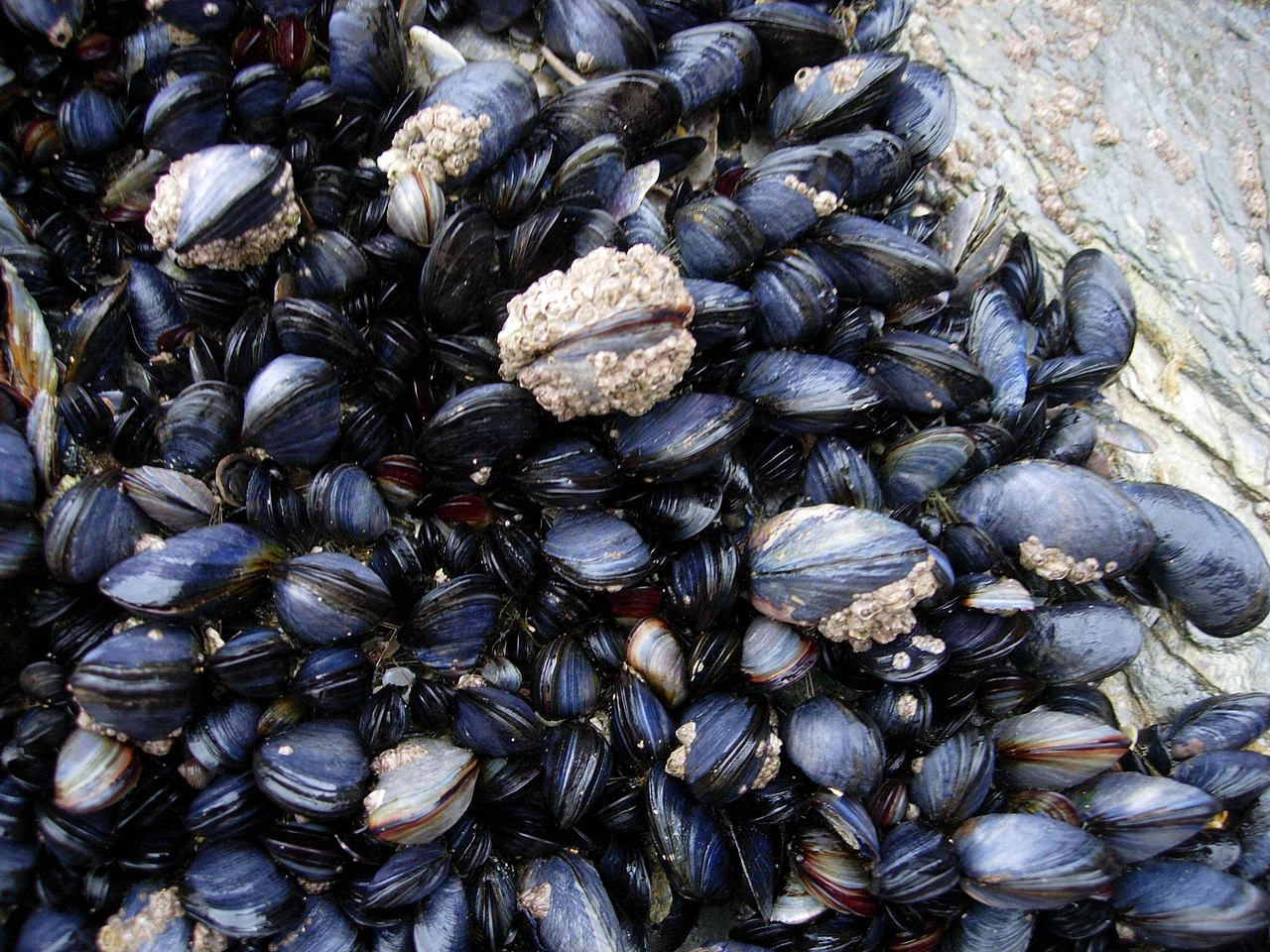
- Mid shore: dense assemblages of filter feeders and grazers, including mussels, limpets and crabs.
- Lower shore: communities dominated by algae, anemones and shallow-water fish that feed during most high tides.
Across these zones, many species such as shellfish and starfish display behavioral and physiological adaptations to survive repeated drying, temperature swings and abrasive waves.
Environmental challenges and adaptations
Organisms in the intertidal face strong and rapidly changing conditions. Key environmental factors include persistent waves, variable sunlight, fluctuating salinity (from rain or evaporation), and the force of wind. Adaptations include tight attachment to substrates, protective shells, the ability to tolerate low oxygen or to aestivate during exposure, and coloration or morphology that reduce water loss.
The intertidal supports a high density of life and acts as nursery habitat, feeding ground and stepping-stone for many coastal food webs. Researchers estimate that hundreds of thousands of marine organisms use intertidal habitats globally, from microbes and algae to crustaceans and fishes.
Human use ranges from traditional harvesting of edible shellfish to recreation and tourism. At the same time these zones are vulnerable to pollution, shoreline modification, invasive species and climate-driven sea level and temperature changes. Conservation and responsible tide-pooling practices help maintain biodiversity and the ecological services intertidal shores provide.
To learn about local intertidal life and safe observation techniques, consult regional field guides or citizen-science programs and educational resources that document species and monitor shore health.
coastal areas · rock · sand · high tide · rock pools · species · crabs · shellfish · shallow-water fish · other animals · environmental factors · waves · sunlight · salinity · wind
Related articles
Author
AlegsaOnline.com Intertidal zone: the coastal area between high and low tides Leandro Alegsa
URL: https://en.alegsaonline.com/art/47843