
Sunlight: Nature, Effects, and Importance
Overview of sunlight as solar electromagnetic radiation: its composition, how the atmosphere alters it, biological and climatic effects, practical uses, and key distinctions.
Overview
Sunlight is the stream of light and energy emitted by the Sun. What reaches the Earth is electromagnetic radiation spanning wavelengths from short-wave ultraviolet through visible colors to longer infrared, carrying both radiation and heat. The portion that arrives at the planet's surface is often called insolation, a term used in meteorology and solar engineering to describe incoming solar power per unit area.
Image gallery
10 Images


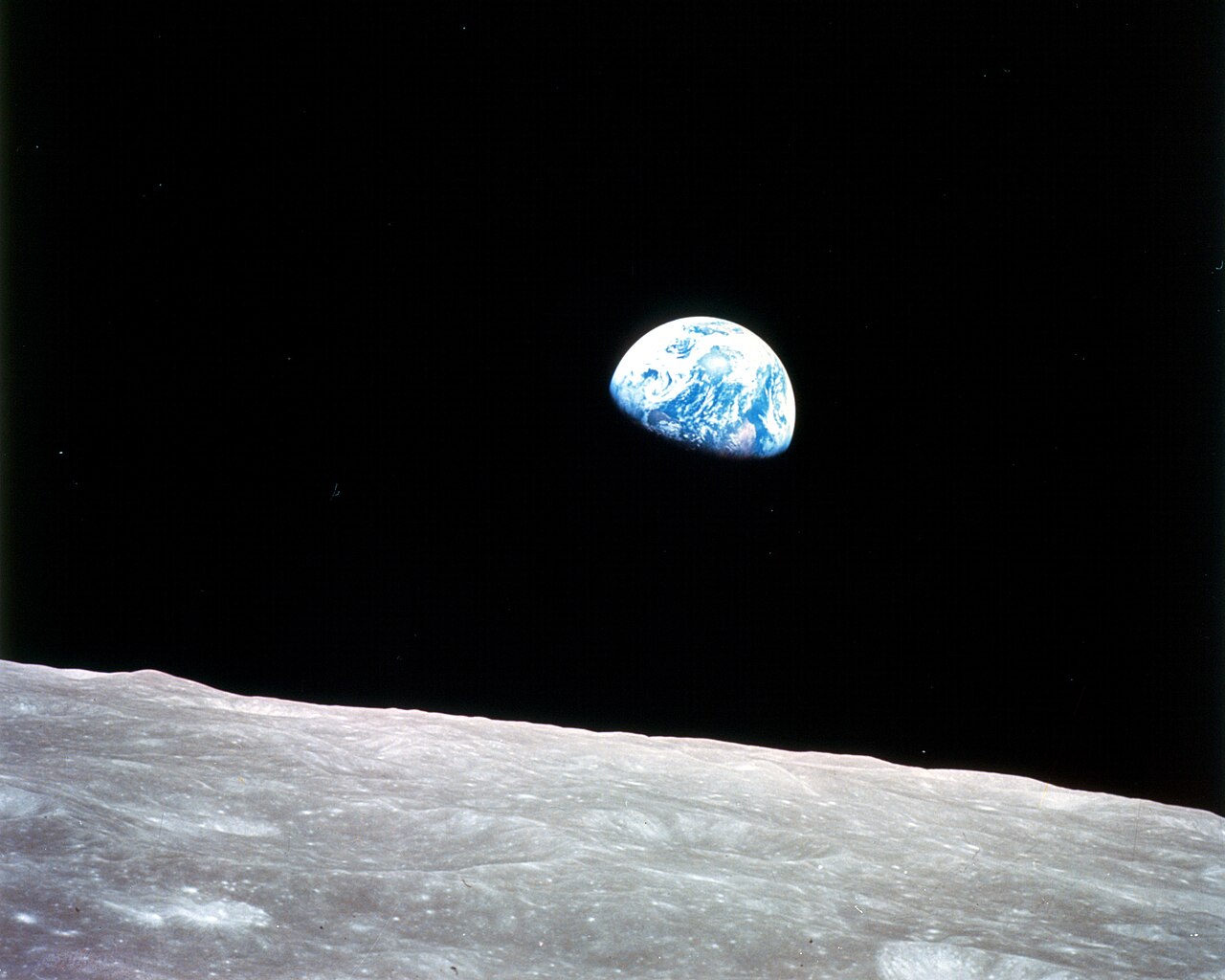



Composition and characteristics
Sunlight's spectrum includes ultraviolet (UV), visible light, and infrared. Shorter wavelengths carry more energy and interact differently with atmospheric gases and surfaces. Scattering by air molecules and aerosols gives the sky its blue color, while absorption bands—especially by ozone—reduce certain ultraviolet wavelengths before they arrive at ground level. The intensity and spectral balance change with time of day, season and atmospheric conditions.
Atmospheric effects and distribution
As solar radiation travels through the atmosphere, some energy is absorbed, some is scattered back toward space, and clouds reflect or diffuse a substantial fraction. For example, part of incoming sunlight is reflected by clouds and by bright surfaces (albedo), while gases and particles absorb or reradiate other portions. These processes determine how much solar power ultimately reaches land and ocean surfaces and how it is distributed across latitudes.
Role in biology and ecosystems
Sunlight powers photosynthesis, the process by which green plants, algae and some bacteria convert light into chemical energy. Using sunlight, water and carbon dioxide, organisms synthesize sugars such as glucose, forming the base of most food chains. Herbivorous animals then consume plant matter, and energy transfers through ecosystems. Light availability influences plant form and productivity; insufficient light alters growth patterns and pigmentation.
Human health and safety
Exposure to sunlight affects health in multiple ways. The human body synthesizes Vitamin D when skin is exposed to certain ultraviolet wavelengths, which supports bone health and other functions. At the same time, excessive UV exposure can cause sunburn and increase the risk of skin cancer, so protective measures such as sunscreen, clothing and limiting peak-time exposure are recommended.
Climate, seasons and the Sun's angle
The apparent angle of the Sun in the sky, often called Sun angle, controls seasonal changes and the length of day and night. Higher solar angles concentrate energy over smaller areas, contributing to the warmth of the tropics, while low angles deliver less concentrated energy to polar regions such as the Arctic, helping to create colder climates. These geometric effects, together with atmospheric circulation, drive weather and long-term climate patterns.
Practical uses and notable facts
- Solar energy: sunlight is harnessed for electricity and heat through photovoltaic panels and solar thermal systems, providing a renewable energy source.
- Measurement: engineers and climatologists measure incident solar power in watts per square meter and track variations for forecasting and design.
- Distinctions: daylight (natural visible light), direct sun (unobstructed beam), diffuse sky radiation, and reflected sunlight each have different effects on visibility, temperature and ecological processes.
For further reading on the physical properties of sunlight, its interaction with the atmosphere, and practical guidance on safe exposure and solar technology, consult introductory texts and reputable online resources: light basics, energy concepts, solar physics, Earth science, surface processes, insolation data, radiation, heat transfer, space interactions, cloud studies, plant biology, photosynthesis overview, carbon cycle, sugars in plants, food chains, health aspects, human physiology, UV radiation, Vitamin D sources, sun protection, burn risks, cancer prevention, solar geometry, seasonal change, day length, night cycles, tropical climates and polar regions.
Questions and answers
Q: What is the energy that comes from the Sun called?
A: The energy that comes from the Sun is called insolation.
Q: How much of solar radiation reaches the Earth's surface?
A: About 47% of solar radiation reaches the Earth's surface.
Q: What do plants need sunlight for?
A: Plants need sunlight for photosynthesis, which is a process in which they use the energy of sunlight, water, and carbon dioxide to create glucose (sugar).
Q: What happens when a plant does not get enough sunlight but has enough water?
A: When a plant does not get enough sunlight but has enough water, it grows very tall very quickly, but looks yellow and dehydrated, although when touched, the leaves are very moist.
Q: How can solar radiation be beneficial for a person's health?
A: Solar radiation can be beneficial for a person's health because when in the light, our bodies use ultraviolet part of sunlight to make its own Vitamin D.
Q: How can too much ultraviolet light be bad for us?
A: Too much ultraviolet light can cause sunburn and skin cancer if we don't wear sunscreen.
Q: How does sun angle affect seasons on Earth as well as day length?
A: Sun angle makes difference in seasons on Earth as well as in the length of day and night. A high angle makes the tropics hot and a low angle makes arctic cold.
Related articles
Author
AlegsaOnline.com Sunlight: Nature, Effects, and Importance Leandro Alegsa
URL: https://en.alegsaonline.com/art/94906
Sources
- commons.wikimedia.org : Sunlight
- die.net : World Sunlight Map from die.net
- starhop.com : Solar Intensity