
Hebei Province, China
Hebei is a northern Chinese province surrounding Beijing and Tianjin, with diverse landscapes from the North China Plain to mountain ranges and a long history as an agricultural and industrial region.
Hebei (Hanzi: 河北; pinyin Héběi) is a province in China that geographically encircles the two centrally administered cities of Beijing and Tianjin. Those two urban centres are classified as national municipalities distinct from provincial governments. The Chinese name Hebei literally means "north of the Yellow River" in Chinese, reflecting traditional geographic naming. The provincial capital is Shijiazhuang.
Image gallery
10 Images




Geography and environment
Hebei covers terrain that transitions from the fertile North China Plain in the south to mountain ranges in the north and west. Prominent uplands include the Yan and Taihang ranges, which form natural barriers and affect regional climate. The province also reaches the Bohai coastal area on the east, providing a short coastline that supports ports and fisheries. Climatically, Hebei experiences a temperate continental pattern with hot summers and cold winters, and precipitation concentrated in the summer months.
Borders and neighbouring regions
Hebei shares frontiers with several Chinese provinces and autonomous regions. To the northeast it meets Liaoning (northeast) and on the north it borders Inner Mongolia. The west boundary lies with Shanxi, while the south adjoins Henan and the southwest touches Shandong. These connections place Hebei at a crossroads between northern China’s inland plateaus and the eastern coastal corridor.
History and government
The modern province was established in the early 20th century when the central government reorganized older territorial units. Before 1928 much of the area was part of the region known as Chihli or Zhili, a name that conveyed its status as territory directly administered by the imperial or central authorities. The conventional one-character abbreviation for Hebei is Ji (冀), used in shorthand and regional branding. Over the 20th and 21st centuries Hebei’s institutions evolved under national provincial administration, while nearby Beijing and Tianjin retained separate municipal status.
Economy, culture and uses
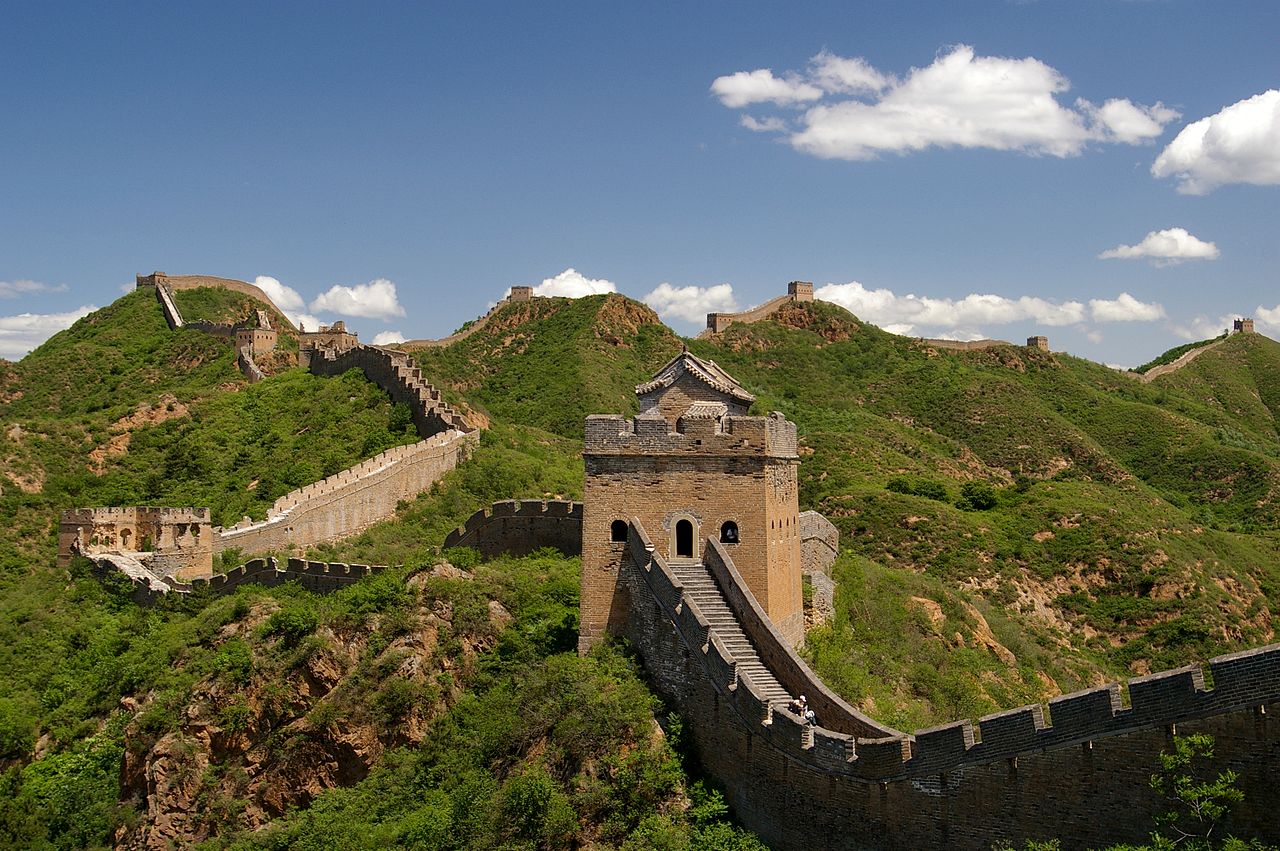
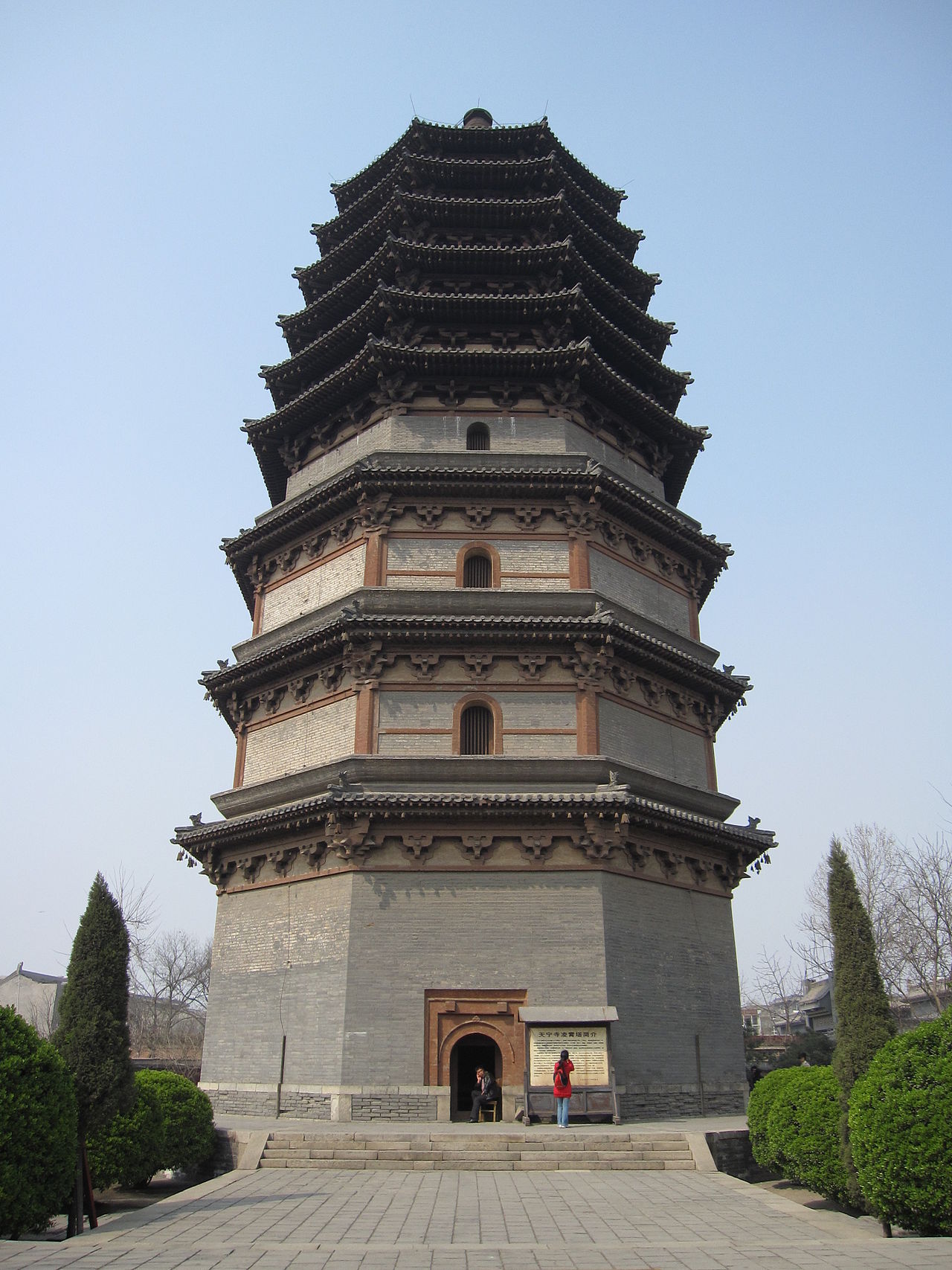
Hebei plays a mixed economic role: agricultural production on the plains, heavy industry and manufacturing in established urban centres, and coastal trade at its ports. Historically and culturally the province contains temples, imperial gardens and sections of the Great Wall, and it hosts local festivals and culinary traditions tied to northern China. Tourism, combined with mining, steel production and modern manufacturing, contributes to the province’s economic profile.
Regional integration and notable facts
Because Hebei surrounds Beijing and Tianjin, planners and commentators often describe the three jurisdictions together as the Jing–Jin–Ji metropolitan region: "Jing" for Beijing, "Jin" for Tianjin and "Ji" for Hebei (Ji as an abbreviation). This clustering aims to coordinate transport, environmental management and economic development across municipal and provincial boundaries. For a compact overview of major cities, historical points and provincial statistics, see further resources pinyin and names, administration, and regional summaries at linked references such as national overviews and local government portals (cities, capital).
Further reading and web resources can be consulted through general reference portals and official provincial sites indicated by the links above (for mapping, climate data and travel planning consult the appropriate regional pages).
Questions and answers
Q: What does the name Hebei mean?
A: The name Hebei means "North of the (Yellow) River" in Chinese.
Q: When was Hebei province formed?
A: Hebei province was formed in 1928 after the central government dissolved Chihli province.
Q: What is the old name of Hebei province?
A: The old name of Hebei province is Chihli or Zhili, which means "directly administered".
Q: Which provinces border Hebei?
A: Hebei borders Liaoning province on the northeast, Inner Mongolia on the north, Shanxi province to the west, Henan to the south and Shandong to the southwest.
Q: What is the capital city of Hebei?
A: The capital city of Hebei is Shijiazhuang.
Q: What is an abbreviation for Hebei?
A: The abbreviated name for Hebei is Ji (冀).
Q: What term describes Beijing, Tianjin and Hebei together?
A: Beijing, Tianjin and Hebei are often referred to as Jingjinji, with "Jing" being Beijing, "Jin" being Tianjin and "JI" being an abbreviation forHebě
Related articles
Author
AlegsaOnline.com Hebei Province, China Leandro Alegsa
URL: https://en.alegsaonline.com/art/43153
Sources
- bdcconline.net : "Hebei Province"