
Liaoning Province: Geography, history, economy and culture
Liaoning is a coastal province in northeast China. This article outlines its geography, major cities, historical episodes including Japanese rule, economy, cultural features, transport and scientific significance.
Overview
Liaoning is a northeastern province of the People’s Republic of China, forming the southern part of the region commonly known as Dongbei (Manchuria). Its capital and administrative centre is Shenyang, a long-established political, cultural and industrial city. Liaoning has an important coastline on the Bohai Sea and the Yellow Sea and serves as a maritime gateway linking China’s inland rail and road networks to international shipping routes.
Image gallery
10 Images




Geography and climate
The province includes the Liao River basin and the Liaodong Peninsula. Landscapes range from coastal plains and river deltas to low hills and upland areas inland. The climate is typically continental with cold winters and warm, humid summers influenced by East Asian monsoons. Fertile plains support agriculture while coastal waters and ports support fisheries and trade.
Main cities and administration
Major urban centres include:
- Shenyang — provincial capital and transport hub;
- Dalian — important port, shipbuilding and commercial city on the peninsula;
- Anshan and Benxi — cities historically associated with steel and mining;
- Fushun, Jinzhou, Yingkou and Dandong — regional industrial, transport and border centres.
History
The area has a long and complex history, home to diverse peoples and states over millennia and significant in the histories of northeastern Asia. It was part of frontier polities that later contributed to the formation of the Qing dynasty. In the modern era the region attracted foreign interest for its resources and strategic ports; conflicts in the early 20th century involved Russian and Japanese forces. From 1931 to 1945 the territory was administered by Japan as the puppet state of Manchukuo, a period that had lasting economic and social effects.
Economy and development
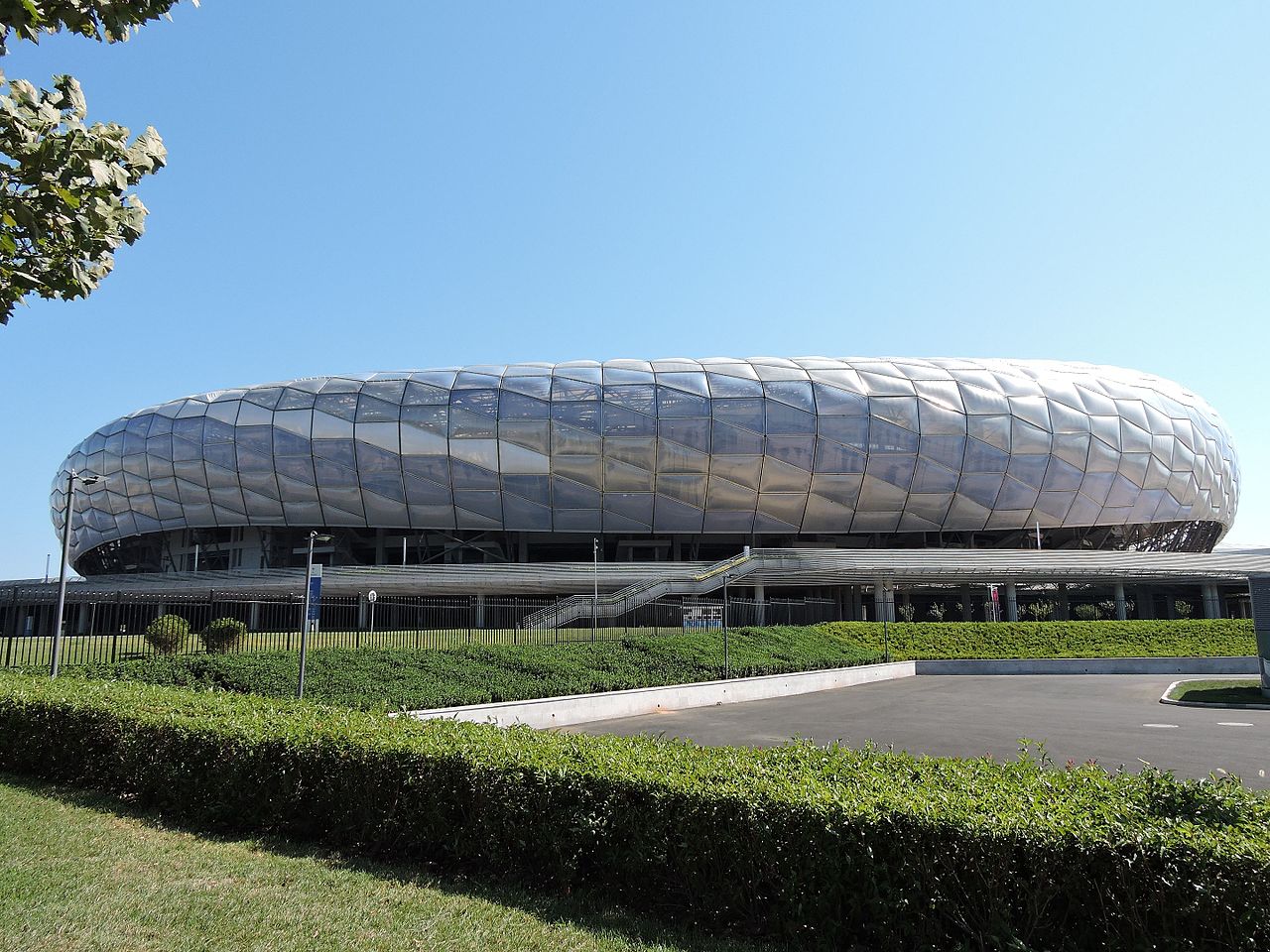
Liaoning developed as one of China’s heavy industrial bases, with strengths in steelmaking, coal, petrochemicals, machinery and shipbuilding. In recent decades authorities have focused on restructuring and diversifying the economy, promoting services, high-technology industries, logistics and port-related trade while addressing social and environmental consequences of industrial change. Ports such as Dalian and Yingkou remain crucial to regional and international commerce.
Culture, people and society
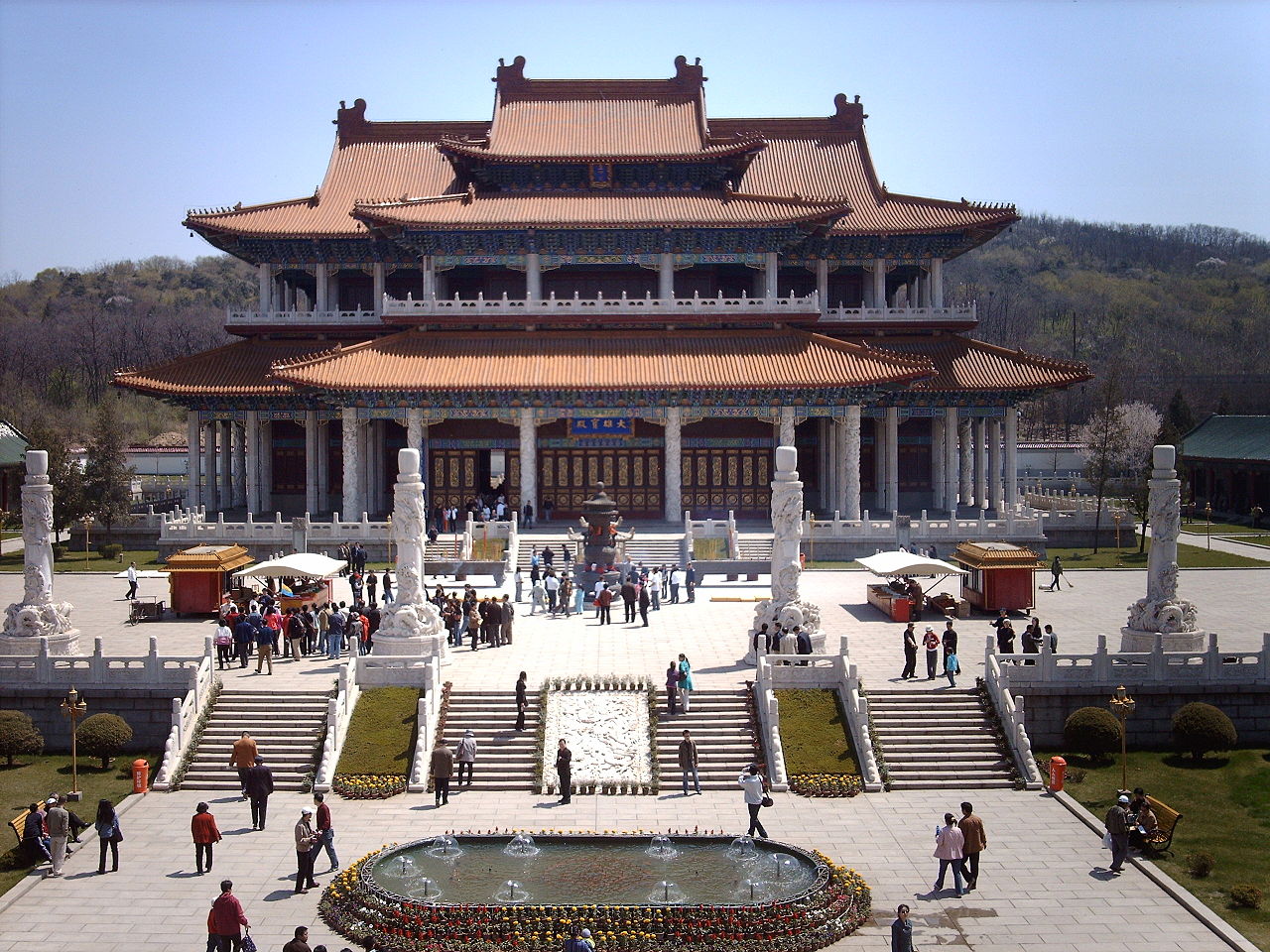
The population is predominantly Han Chinese with notable Manchu, Mongol and Korean minorities that contribute linguistic and cultural diversity. Local customs, festivals and cuisine reflect northern and coastal influences; seafood plays an important role along the coast, while inland dishes are heartier and suited to colder winters. Historic sites such as the Shenyang imperial palace complex and coastal promenades in Dalian are among the cultural attractions.
Science, nature and tourism
Liaoning is internationally known in paleontology for exceptionally preserved Early Cretaceous fossils associated with the Jehol Biota, including feathered dinosaurs and early birds that have informed understanding of avian evolution. The province offers a mix of natural scenery, seaside resorts and industrial heritage sites that draw visitors interested in history, science and coastal recreation.
For authoritative administrative, demographic and contemporary information consult provincial and city resources such as official pages about Liaoning and municipal sites including Shenyang. Historical studies and museum collections provide further detail on the period of Japanese administration and the Manchukuo era (Manchukuo).
Related articles
Author
AlegsaOnline.com Liaoning Province: Geography, history, economy and culture Leandro Alegsa
URL: https://en.alegsaonline.com/art/57697