
Shaanxi Province: Geography, history, culture and significance
Shaanxi is a north-central Chinese province centered on Xi'an. Known for its ancient capitals, the Terracotta Army, the Wei River valley and the Qinling Mountains, it is a cultural and historical heartland of China.
Overview
Shaanxi (陕西) is a province in north‑central China, with its political and cultural center at Xi'an. The name combines "Shaan" — a historic place-name referring to an area west of the old Shanzhou region — and "xi" (西), meaning "west." Because the standard Roman spelling would otherwise match that of the neighboring province Shanxi, the current English form "Shaanxi" preserves pronunciation differences in a way that avoids confusion. The province is frequently described as part of northwest China for administrative and geographic purposes. Modern Shaanxi supports a large population and a mix of urban industry and agricultural regions, with recent estimates numbering tens of millions of residents.
Image gallery
10 Images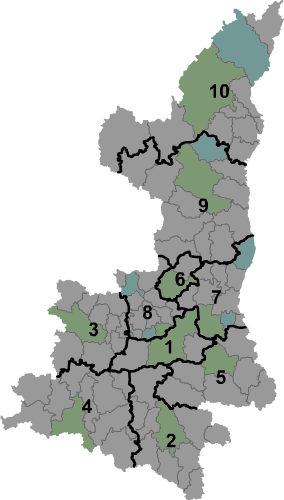



Geography and environment
Shaanxi stretches from the fertile Wei River valley in the east across the Loess Plateau toward the arid basins to the west. The Wei He (Wei River) is a major tributary of the Yellow River and cuts an alluvial plain where cities and farms have long concentrated. To the south, the Qinling Mountains form a prominent watershed and climatic divide between northern and southern China, influencing river systems, vegetation and agriculture. The province contains diverse landscapes — river valleys and plains, loess hills, forested mountains — and experiences a continental monsoon climate with cold winters and warm summers in most populated areas.
Historical importance
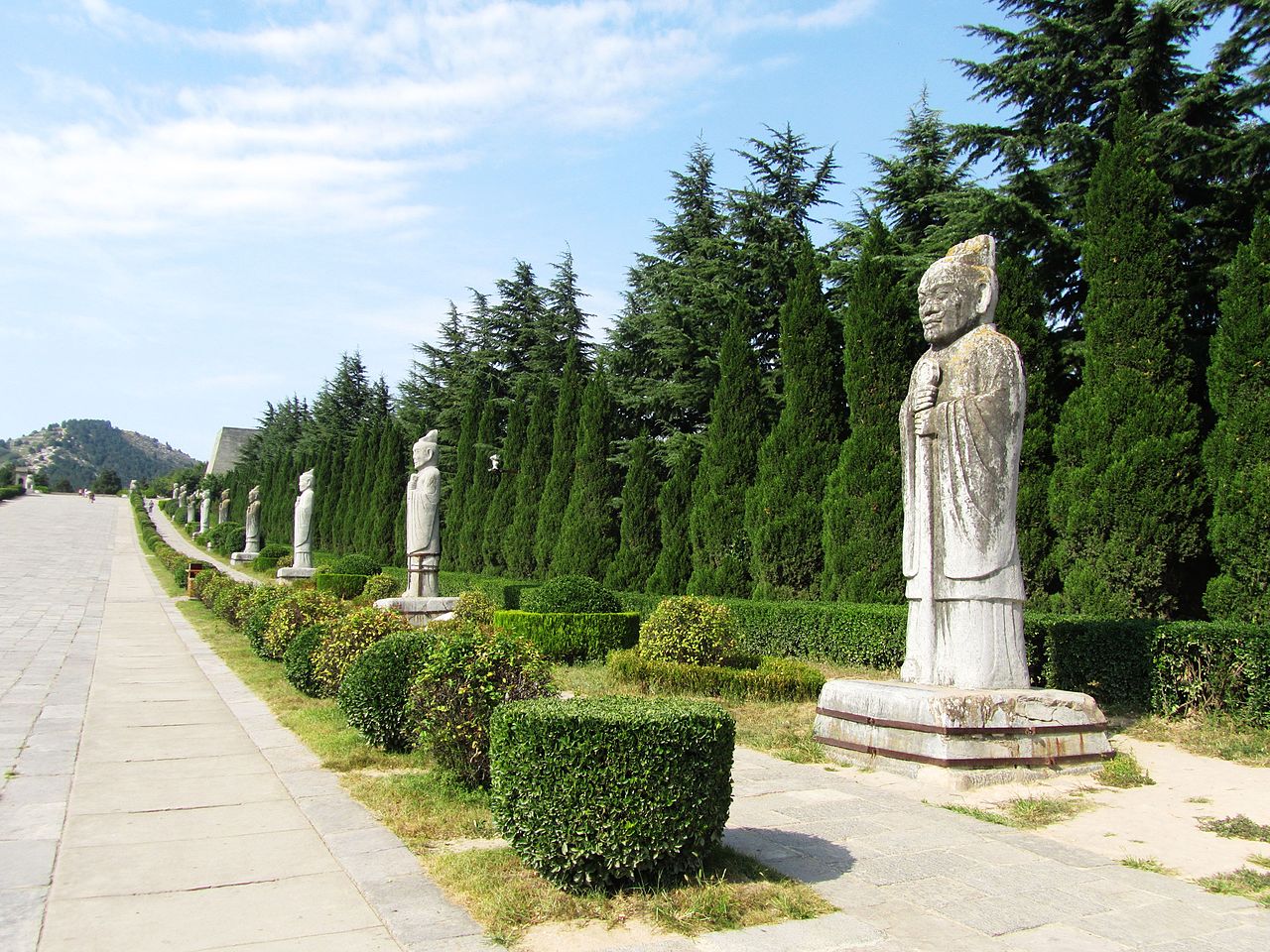
Shaanxi occupies a central place in the early history of China. The provincial capital, Xi'an, is the successor to the ancient city often called Chang'an, which served as the imperial capital for several dynasties and as the eastern terminus of the Silk Road. The region was the core of the Qin state that unified China in the 3rd century BCE and gave the country its name. Notable archaeological and historical highlights include the mausoleum of the first Qin emperor and the world‑famous Terracotta Army. For these and other reasons the area is considered one of the cradles of Chinese civilization.
Culture, economy and institutions
Today Shaanxi combines rich cultural heritage with modern industry and research. Xi'an is a major center for education and aerospace, hosting several national universities and technology institutes. The province's economy mixes agriculture (grain and horticulture) on the loess soils, energy and mineral extraction in upland areas, manufacturing, and a growing tourism sector built around historical sites. Local cuisine — known for hearty noodles, roujiamo (meat sandwiches) and strong flavors — is an identifiable part of regional culture.
Names, pronunciation and administrative notes
In Chinese characters Shaanxi is written 陕西 while the neighboring province Shanxi is 山西. In standard Hanyu Pinyin both names would appear as "Shanxi" if tone marks were omitted, so the spelling "Shaanxi"—influenced by older romanization practices such as Gwoyeu Romatzyh—was adopted in many English contexts to convey the tonal difference without diacritics. The province is sometimes abbreviated as 陕 (Shǎn) or by the historic name Qin (秦); references to the "Three Qins" (三秦) point to the old divisions of the region.
Notable places and attractions
- Terracotta Army — Qin dynasty funerary sculptures near Xi'an, among the most significant archaeological finds in China.
- Xi'an (Chang'an) — ancient capital city with museums, walls and historic neighborhoods; see Xi'an information.
- Qinling Mountains — a major ecological and climatic boundary with scenic hiking and biodiversity.
- Mount Huashan — famed for steep trails and religious sites.
Further reading and references
For administrative and geographic context consult provincial profiles and atlases of Shaanxi and broader materials on China. Historical background on place‑names and romanization can be found in discussions of Shanzhou and of the Gwoyeu Romatzyh transcription system. Demographic and tourism summaries offer snapshots of population and visitor numbers; see basic demographic reports linked at provincial statistics and population overviews at recent estimates.
Related articles
Author
AlegsaOnline.com Shaanxi Province: Geography, history, culture and significance Leandro Alegsa
URL: https://en.alegsaonline.com/art/89324