
Insular Italy (Italia insulare) — the statistical NUTS1 region
Insular Italy is the NUTS1 statistical region that groups Sicily and Sardinia and nearby islands for national and European statistics, planning and some electoral uses.
Overview
Insular Italy (Italian: Italia insulare) is a statistical grouping used to separate the island territories of the Italian Republic from the mainland. It is one of five NUTS1 regions used in national and European statistics and analyses of Italy. The classification is maintained for demographic, economic and geographic reporting by national authorities such as ISTAT and corresponds to the NUTS1 level of the Eurostat system (NUTS1).
Image gallery
4 Images


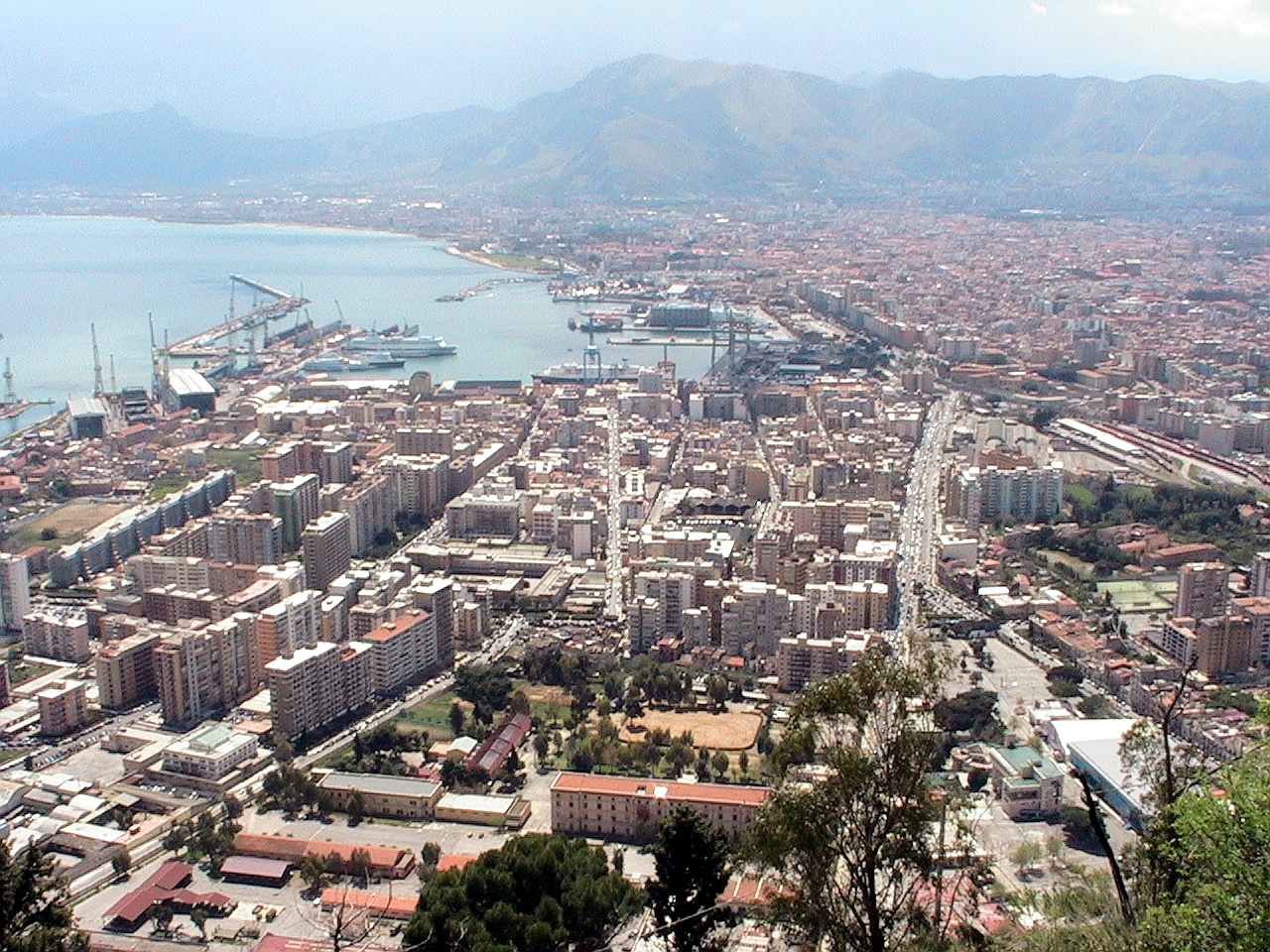
Composition and key characteristics
The region broadly comprises the two main Italian islands and the archipelagos surrounding them. It is not an administrative unit in the sense of having its own government, but a statistical region used to aggregate data for areas with shared island characteristics. The grouping specifically includes the two main Italian islands and neighbouring isles:
- Sicily — the larger, historically diverse island at the centre of the central Mediterranean.
- Sardinia — a large western Mediterranean island with distinct cultural and linguistic traditions.
- Smaller islands and archipelagos adjacent to Sicily and Sardinia, grouped for statistical purposes (islands and archipelagos).
History and administrative context
The concept of insular regions in statistics grew from practical needs to compare areas that share island-specific features: maritime transport dependence, insularity in accessibility and distinct demographic trends. While Sicily and Sardinia are autonomous regions with their own statutes and broader administrative powers, "Insular Italy" remains a statistical label rather than a separate political entity. National statistics offices and European bodies use the label to ensure comparable regional analysis across countries.
Uses and significance
Insular Italy is used for a range of analytical and planning purposes. Examples include:
- collection and publication of regional economic, social and demographic statistics that reflect island-specific conditions;
- design and evaluation of regional development policies and cohesion measures;
- organisation of certain electoral or representational arrangements where island grouping is relevant (electoral uses).
Distinctive features and challenges
Compared with mainland regions, the insular grouping highlights particular strengths and issues: a rich cultural and natural heritage; economies often oriented toward tourism, agriculture and fisheries; and logistical constraints related to connectivity and transport. Many island communities face demographic pressures such as uneven population distribution, seasonal variability and the cost of providing services over sea links. Recognising these common characteristics helps policymakers tailor infrastructure, environmental protection and economic support to the islands' circumstances.
For readers seeking official datasets and methodological notes, consult national statistical releases and regional profiles prepared by ISTAT and related European statistical documentation, which explain how Insular Italy is defined and applied in practice.
Questions and answers
Q: What is Insular Italy?
A: Insular Italy is one of the five official statistical regions of Italy defined by the National Institute of Statistics that includes Sicily and Sardinia, along with other small islands and archipelagos next to them.
Q: Why is Insular Italy defined only for statistical and some election purposes?
A: Insular Italy is defined only for statistical and some election purposes because it is not an administrative region, and it does not have any separate government or institutions.
Q: How many main Italian islands are included in Insular Italy?
A: The two main Italian islands included in Insular Italy are Sicily and Sardinia.
Q: Besides Sicily and Sardinia, what else does Insular Italy include?
A: Insular Italy includes other small islands and archipelagos next to Sicily and Sardinia.
Q: What is the level of the region of Insular Italy in the NUTS classification?
A: Insular Italy is a NUTS1 level region in the Nomenclature of Territorial Units for Statistics (NUTS) classification.
Q: Does Insular Italy have its own government or institutions?
A: Insular Italy does not have its own government or institutions as it is not an administrative region.
Q: Who defined Insular Italy?
A: Insular Italy was defined by the National Institute of Statistics (ISTAT).
Related articles
Author
AlegsaOnline.com Insular Italy (Italia insulare) — the statistical NUTS1 region Leandro Alegsa
URL: https://en.alegsaonline.com/art/47514
Sources
- demo.istat.it : Statistiche demografiche ISTAT
- epp.eurostat.ec.europa.eu : "Eurostat - Tables, Graphs and Maps Interface (TGM) table"
- peakbagger.com : "Etna, Italy"
- peakbagger.com : "Punta la Marmora, Italy"
- demo.istat.it : "Statistiche demografiche ISTAT"
- tuttitalia.it : "Regioni italiane"