
Idol: religious images, cultural icons, and the debate over representation
An idol is an object or figure venerated as a representation of a deity or admired as a cultural celebrity. The concept spans religious practice, art, and popular culture and raises debates about idolatry and representation.
Overview
An idol is commonly understood as a physical object, statue, or image that represents a god or supernatural being and serves as a focus for devotion and ritual. In everyday speech the word is also used for a person admired by many, as with a modern pop idol. The practice of directing reverence toward an image is often labeled idolatry in religious and ethical discussions.
Image gallery
10 Images



Forms, materials, and functions
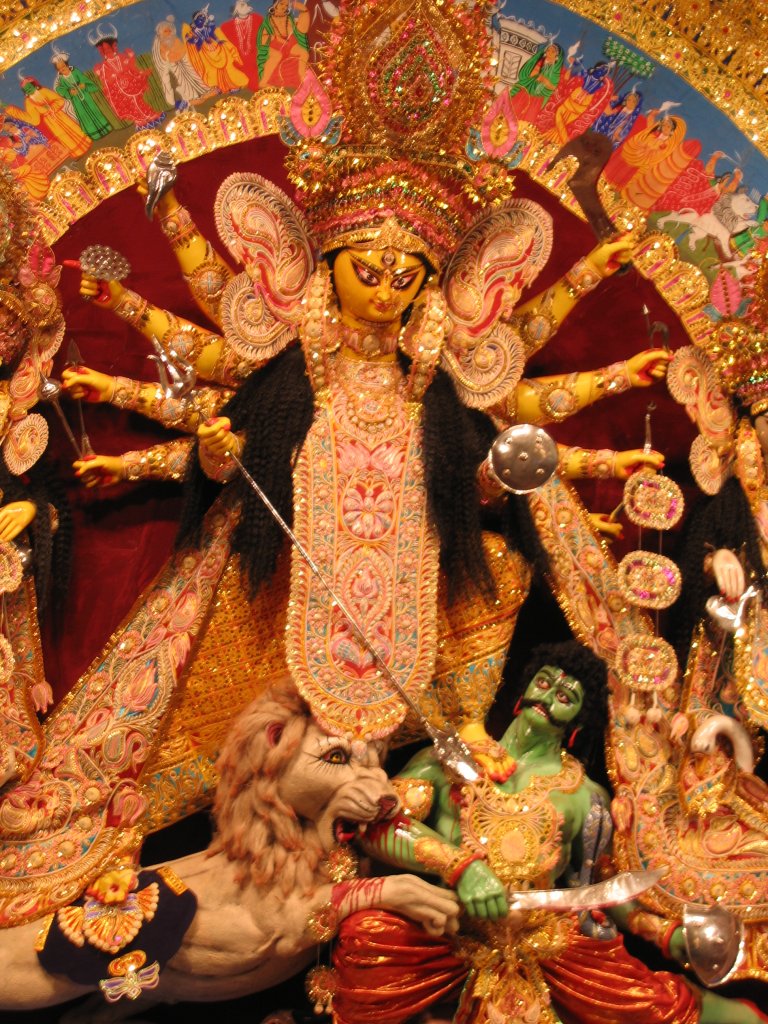
Idols take many forms: carved stone or wood figures, metal icons, painted images, or symbolic tokens. Some function as ritual murtis in Hindu worship, serving as a visible presence of the divine; in other traditions, images serve as mnemonic or educational tools. Materials and styles vary according to local craft traditions, theological rules, and the functions required by ritual practice.
Religious perspectives and theological debate
Different faiths and denominations reach divergent conclusions about what counts as legitimate representation. Many Christians accept religious images and venerate icons as part of devotion, while others view visual reverence as potentially crossing into idolatry. Islamic religious art often emphasizes geometric patterns and calligraphy to avoid depicting the divine in human form, while Jewish traditions have historically tolerated a range of artistic expression with certain limits. In Hindu practice, murtis are not simply idols in a pejorative sense but are treated as living embodiments for worship.
History and development
The use of sacred images is ancient and global. Archaeological and historical evidence shows that human communities have shaped objects for ritual use since prehistoric times. Over centuries, debates about images were shaped by scriptural injunctions, differing interpretations of commandments, reform movements, and interactions among religious cultures. These debates affected the production of art, the layout of places of worship, and popular devotional practices.
Uses and cultural meanings
- As focal points for prayers, offerings, and festivals.
- As educational or doctrinal aids that illustrate stories and principles.
- As symbols of communal identity and continuity.
- In secular contexts, as celebrity idols that attract fandom and media attention.
Terminology and notable distinctions
Words linked to this topic include deity image, the modern concept of a pop idol, and the critique known as idolatry. Within Christianity, opinions vary: some Christians stress caution against images, while debates over what constitutes idolatry continue. Traditions such as Catholicism and Eastern Orthodoxy defend religious pictures and Christian art and treat icons as sacramental, often invoking the doctrine of the Incarnation as a theological justification; critics point to some forms of Catholic art as problematic. The issue often hinges on how commandments about other gods and graven images are read, as reflected in traditional lists of the Ten Commandments and ancient scriptural passages such as those found in Exodus. In Islam, the avoidance of figural depiction has encouraged Islamic art based on geometric design and calligraphy. In South Asian contexts the term murti is used for consecrated images in temple worship.
Understanding idols requires attention to context: whether an image is an object of worship, a representation used in devotion, or a secular celebrity depends on religious doctrine, historical circumstances, and local cultural practices. For further reading see resources under the related links above.
Related articles
Author
AlegsaOnline.com Idol: religious images, cultural icons, and the debate over representation Leandro Alegsa
URL: https://en.alegsaonline.com/art/46540
Sources
- vatican.va : "Catechism of the Catholic Church"
- cai.org : "Christian Assemblies International"
- myjewishlearning.com : "Rabbi Jessica Spitalnic Brockman on Jewish Art"