
Ten Commandments: origins, text, and religious significance
Overview of the Ten Commandments (Decalogue): scriptural sources, typical content, variations in numbering and interpretation, and their influence in Judaism, Christianity, and wider culture.
Overview
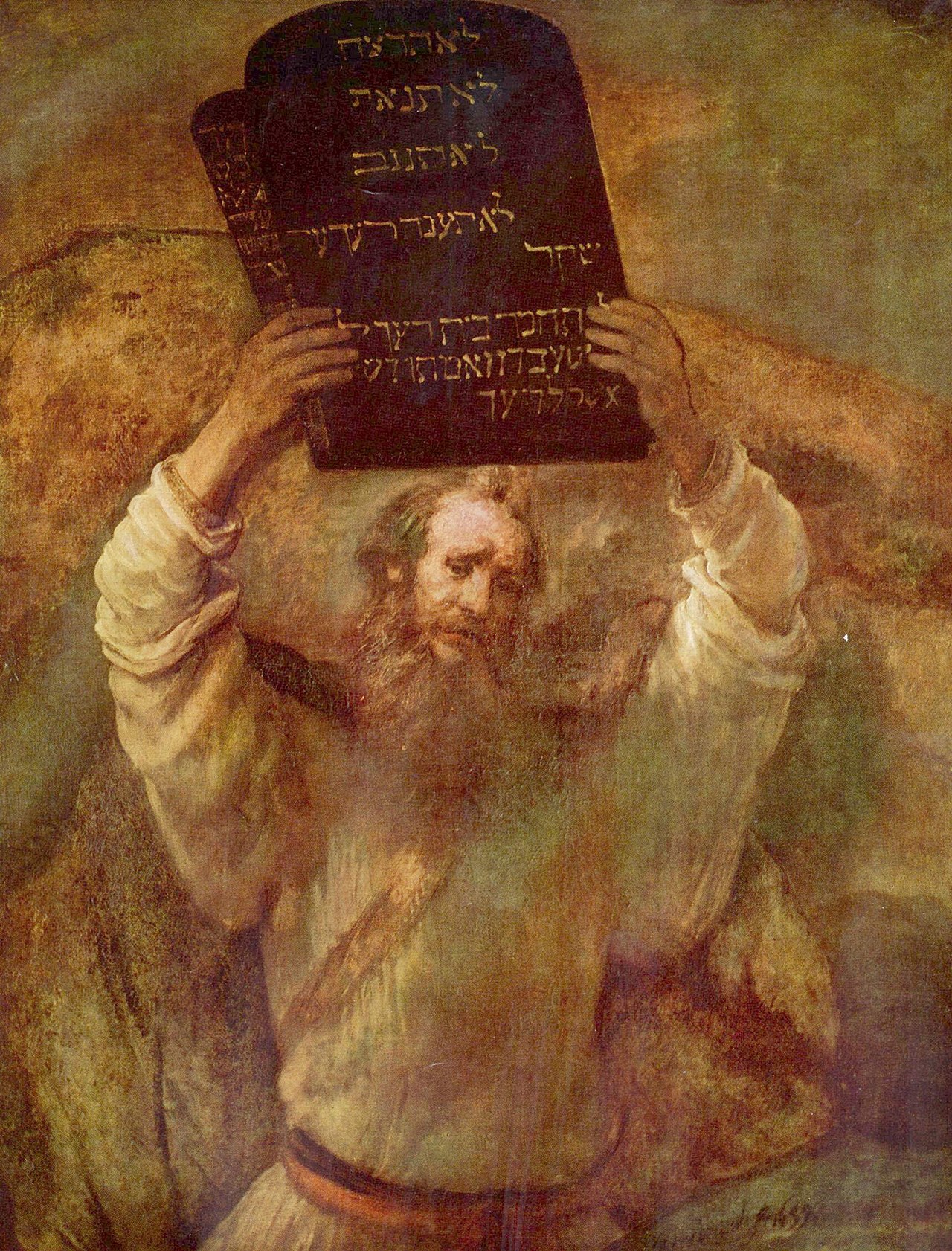
The Ten Commandments, often called the Decalogue (from the Greek root deka, meaning "ten"), are a brief collection of moral and religious injunctions presented in the Hebrew Bible. Traditional accounts report that they were revealed to the people of Israel at a sacred mountain and inscribed on stone tablets; for the scriptural record see the Bible. These sayings have long been influential in Jewish, Christian, and wider cultural contexts and are frequently cited in discussions of ethics, law, and religious identity.
Image gallery
10 Images





Textual sources and names
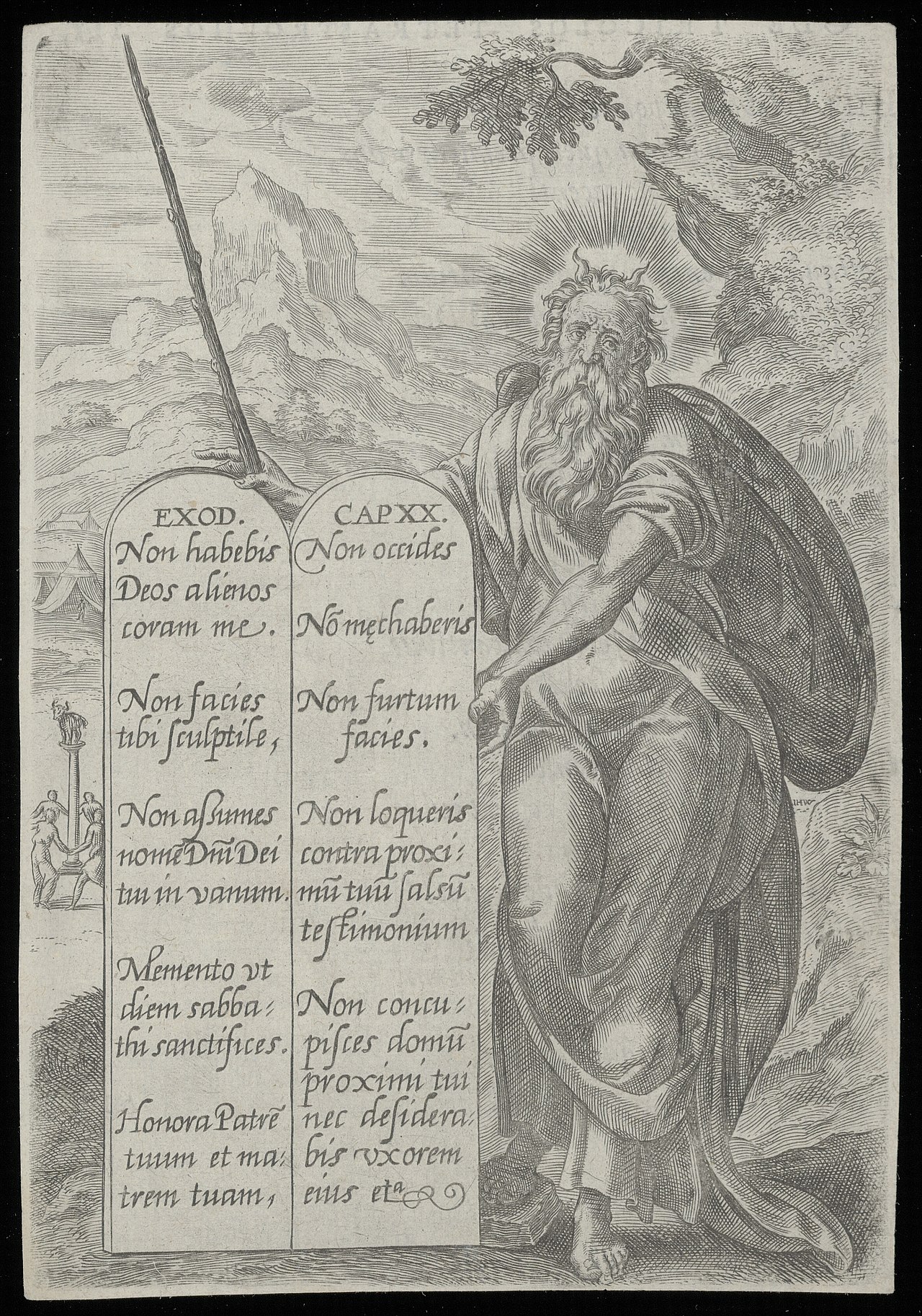
Two canonical versions appear in the scriptures: one in the Book of Exodus (chapter 20) and another in the Book of Deuteronomy (chapter 5). The narrative situates the revelation at a mountain named Mount Sinai or Horeb and describes tablets of stone on which the words were written. Later Jewish and Christian traditions preserved and adapted the term Decalogue, and the Qur'an also refers to revealed tablets and related moral commands while not reproducing an identical tenfold list (Qur'anic references).
The commandments (conventional rendering)
Wording varies by translation and tradition, but a conventional modern rendering presents ten items that combine duties toward God and toward other people. Typical English summaries include:
- Worship the one God and do not serve other gods.
- Do not make or worship idols.
- Do not misuse the name of God.
- Observe a day of rest and keep it holy (Sabbath).
- Honor your father and mother.
- Do not kill.
- Do not commit adultery.
- Do not steal.
- Do not give false testimony.
- Do not covet another person’s property or spouse.
Variations in numbering and interpretation
Although commonly called "Ten," the way the items are divided differs among communities. Jewish (Talmudic), Greek-speaking Jewish, Roman Catholic (Augustinian), and most Protestant traditions use distinct groupings and headings; these differences affect catechesis, liturgical presentation, and iconography. Scholars also note that the exact phrasing depends on ancient manuscript traditions and translation decisions preserved in witnesses such as the Septuagint and later copies of the biblical text.
Historical and comparative context
The biblical account places the giving of the commandments after the Israelite departure from Egypt (the Exodus). The mountain tradition employs the names Sinai and Horeb, sometimes treated as the same site. Ancient historians and archaeologists approach questions of dating and historicity with caution: some older and popular proposals have linked the Exodus traditions to particular Egyptian contexts or rulers (a generic pharaoh or disputed figures such as Thutmose III), but such identifications remain speculative. The Decalogue appears alongside wider biblical legal material and has points of contact with other Near Eastern legal and moral texts (comparative studies).
Religious uses and interpretation
In Judaism the commandments are integral to covenant theology, liturgical memory, and ethical teaching. In Christianity they have been read as moral law, as a summary of God’s will, or as a pedagogical introduction to deeper theological teachings. Islamic tradition acknowledges earlier revealed laws and tablets and shares overlapping ethical emphases while treating scriptural history in its own theological framework (Islamic references).
Legal, cultural, and artistic influence
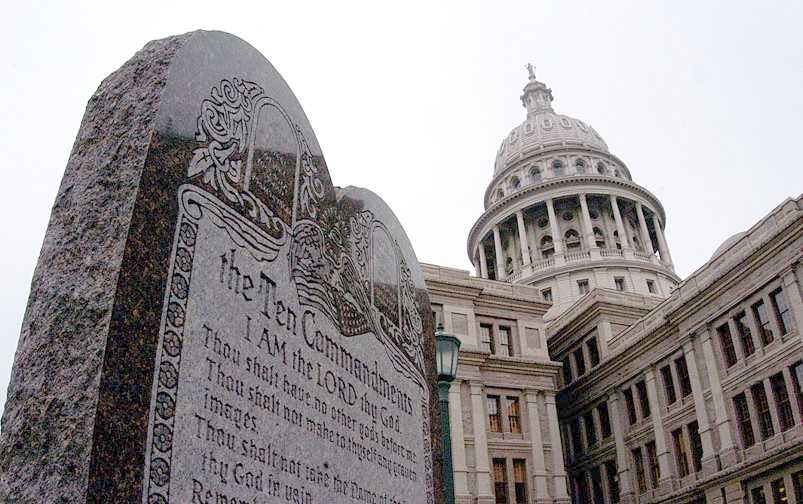
Elements of the Ten Commandments have influenced legal and moral thought in societies shaped by these religious traditions; some principles appear reflected in civil codes and customary norms (civil law and culture). The Decalogue has been a recurring motif in art, architecture, and public inscriptions, and it figures in education, preaching, and debate about religion in public life. Academic study of the Decalogue treats its transmission, translation, and reception across languages and centuries (see studies of the Septuagint, the Exodus and Deuteronomy texts, and later commentary).
Study and modern discussion
Contemporary scholarship combines textual criticism, comparative law, and historical inquiry to explore how the Decalogue took its present form and how communities have understood it. Discussions include the role of the Ten Commandments in modern legal systems, the pedagogical value of a concise moral summary, and how different faiths preserve or transform the tradition. For general background consult translations and commentaries in the Bible and specialized treatments linking the Decalogue to broader ancient Near Eastern materials (comparative texts).
Questions and answers
Q: What are the Ten Commandments?
A: The Ten Commandments are a set of rules or laws that were given to the people of Israel by God.
Q: Where can different versions of the Ten Commandments be found?
A: Different versions of the Ten Commandments can be found in the Book of Exodus and Book of Deuteronomy in the Bible.
Q: What mountain was where they were given?
A: The mountain where they were given is called Mount Sinai, although it may also be referred to as Mount Horeb in some texts.
Q: How were these laws written down?
A: These laws were written on stone tablets.
Q: What religions follow these commandments?
A: Judaism and Christianity both follow these commandments, with countries which follow those religions often having some of them as part of their civil laws.
Q: What other text mentions the tablets but does not list exactly same commandments?
A: The Qu'ran mentions the tablets but does not list exactly same commandments - for instance Quran 17:23-39 began with worshipping God alone and honouring your parents.
Q: When did Israelites receive these commandments ? A: The Israelites received these commandments after they had left Egypt during the reign of Pharaoh Thutmose III.
Related articles
Author
AlegsaOnline.com Ten Commandments: origins, text, and religious significance Leandro Alegsa
URL: https://en.alegsaonline.com/art/96941
Sources
- tools.wmflabs.org : Exodus 19:23
- simpletoremember.com : "Did God speak at Mt. Sinai"
- tools.wmflabs.org : Deuteronomy 5:2
- biblegateway.com : "Bible Gateway passage: Exodus 20:1-17 - English Standard Version"
- biblegateway.com : "Bible Gateway passage: Deuteronomy 5 - New King James Version"
- tools.wmflabs.org : Genesis 2:1-3
- tools.wmflabs.org : Exodus 20:8-11
- tools.wmflabs.org : Exodus 16:23,29-30
- tools.wmflabs.org : Matthew 5:17-19
- tools.wmflabs.org : Exodus 31:16
- tools.wmflabs.org : Exodus 34:28
- tools.wmflabs.org : Deuteronomy 4:13
- tools.wmflabs.org : Deuteronomy 10:4
- vatican.va : "Catechism of Catholic Church"
- evl.fi : evl.fi