
Murti (sacred image in Hinduism)
Murti are consecrated images or statues used in Hindu devotional practice to make a deity's presence accessible; they function as symbolic embodiments for worship, ritual, and communal life.
Overview
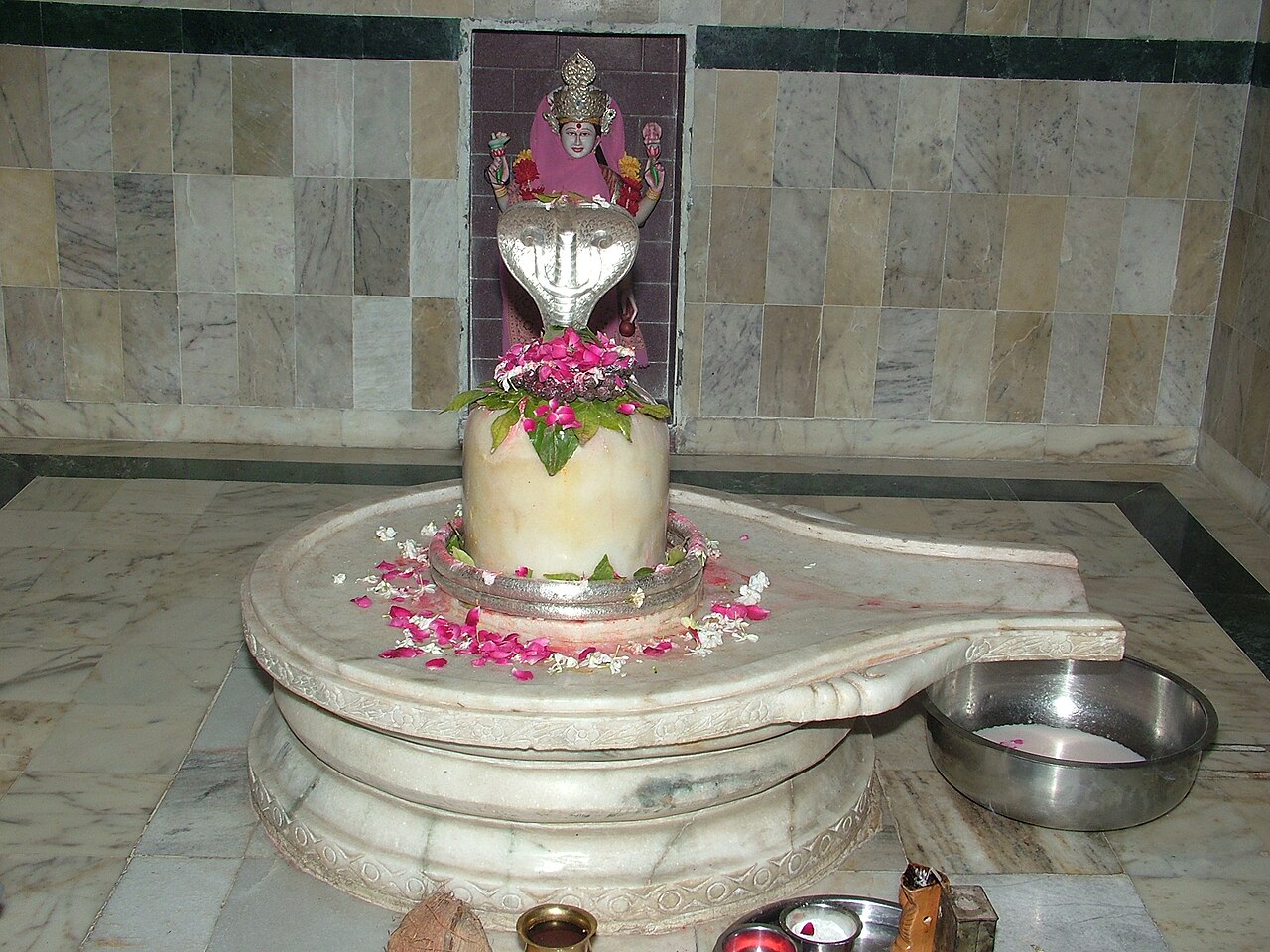
A murti is a sacred image, statue, or sculpted representation used in Hindu worship to embody and make present a deity for devotional communication. The term derives from Sanskrit roots that suggest a manifested or formed presence. In practice, worshippers treat the murti as the locus through which blessing and reciprocal attention flow, while doctrinally many Hindus emphasize that the ultimate divine reality transcends any single visible form. For background on the broader religious context see Hinduism.
Image gallery
10 Images




Characteristics and common elements
Murtis vary widely in scale, material, and style. Typical materials include stone, bronze, wood, clay, and precious metals. Iconographic conventions guide proportions, gestures (mudrās), facial expression, attributes (such as a trident, lotus, or weapon), and accompanying mounts or attendants. A murti intended for permanent temple installation will often be more formal and durable than a clay image made for a festival.
Rituals, types and care
Consecration rituals, broadly called prāṇa-pratiśṛhā or similar terms, are performed by priests to ritually invite the divine presence into the image. Once consecrated, a murti receives daily worship (puja), dressing, bathing (abhisheka), and offerings. Common functional categories include:
- Mula murti: the principal, immovable deity image housed in a sanctum.
- Utsava murti: a portable or processional image used in festivals and public ceremonies.
- Household murti: small images kept in domestic shrines for personal devotion.
History and development
Iconic representation of the divine developed over many centuries across the Indian subcontinent. Early aniconic and votive practices existed alongside emerging sculptural traditions. By the classical period (roughly the early centuries of the Common Era), canonical texts and workshop traditions formalized proportions and symbolic details, producing regional schools of image-making that continued to evolve.
Uses, significance and variations
Murtis serve multiple roles: they are focal points for individual and communal worship, teaching tools that communicate myths and attributes, and central items in festivals and processions. Regional styles and sectarian preferences shape how a deity is represented; Ram, Krishna, Shiva, Durga, Lakshmi and others each have characteristic iconographies and associated ritual practices.
Distinctions and contemporary notes
Scholars and practitioners often stress the difference between revering a murti as a divine presence and a literal belief that the physical material is the god. Philosophical traditions within Hinduism range from seeing the image as an aid to concentration to regarding the image as a real manifestation after consecration. In modern times murtis continue to be objects of artistic craftsmanship, religious devotion, and cultural exchange, while conservation, ethical sourcing of materials, and intercultural dialogues shape contemporary practice.
Questions and answers
Q: What is a Murti in Hinduism?
A: A Murti in Hinduism usually means an image in which the Divine Spirit is expressed ('murta').
Q: What is the purpose of a Murti in Hinduism?
A: The purpose of a Murti is to call the presence of God into the image so that Hindus can communicate with him and receive his blessings.
Q: Do Hindus worship the Murti or statue itself?
A: No, Hindus don't worship the Murti or statue itself but the god who is present in their minds and souls.
Q: Can a Murti be set up anywhere?
A: Yes, a Murti can be set up anywhere.
Q: What is the meaning of the word 'murta'?
A: The word 'murta' means the Divine Spirit in Hinduism.
Q: Is the Murti considered as a sacred object?
A: Yes, the Murti is considered as a sacred object in Hinduism.
Q: Can anyone set up a Murti?
A: Yes, anyone can set up a Murti.
Related articles
Author
AlegsaOnline.com Murti (sacred image in Hinduism) Leandro Alegsa
URL: https://en.alegsaonline.com/art/67682
Sources
- himalayanacademy.com : himalayanacademy.com