
Imam Ali Mosque (Imam Ali Holy Shrine)
Major Shia shrine in Najaf, Iraq, built around the tomb of ʿAli ibn Abi Talib; a centre of pilgrimage, learning, and historic architecture noted for its gilded dome and seminaries.
The Imam Ali Holy Shrine, commonly called the Imam Ali Mosque or Masjid Ali, is the principal Shia Muslim shrine in Najaf, Iraq. It is traditionally regarded as the burial place of ʿAli ibn Abi Talib, the cousin and son-in-law of the Prophet Muhammad and the first imam in Shia belief. The shrine complex defines much of the religious and cultural identity of Najaf and is widely visited by pilgrims from across the Muslim world.
Image gallery
10 Images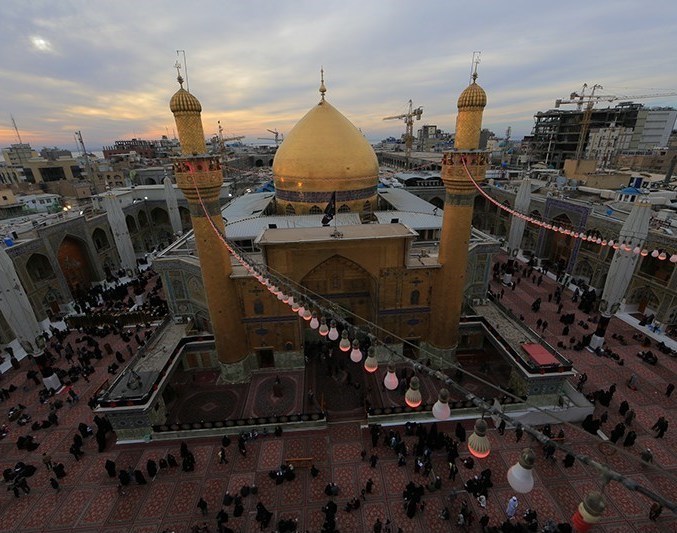


Architecture and complex
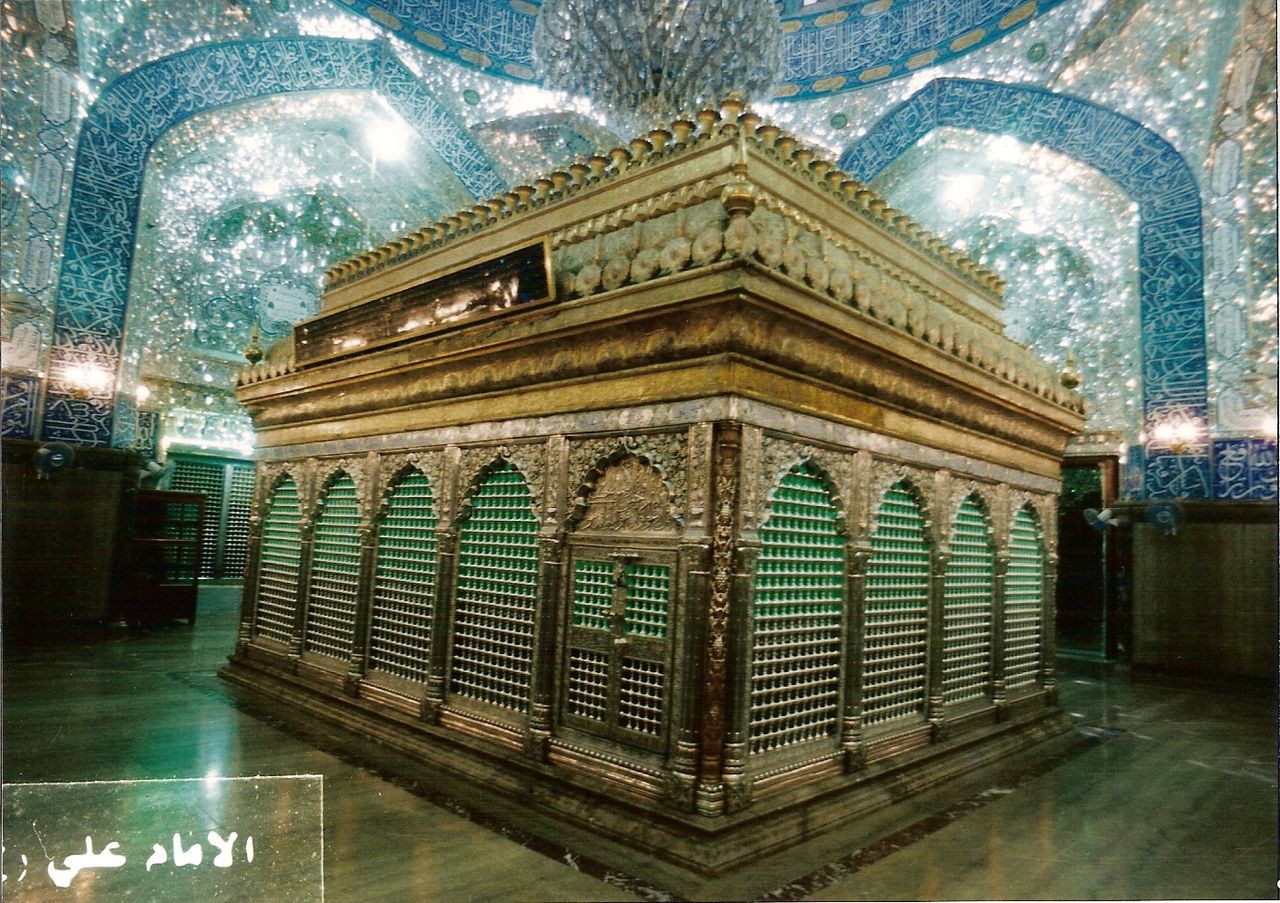
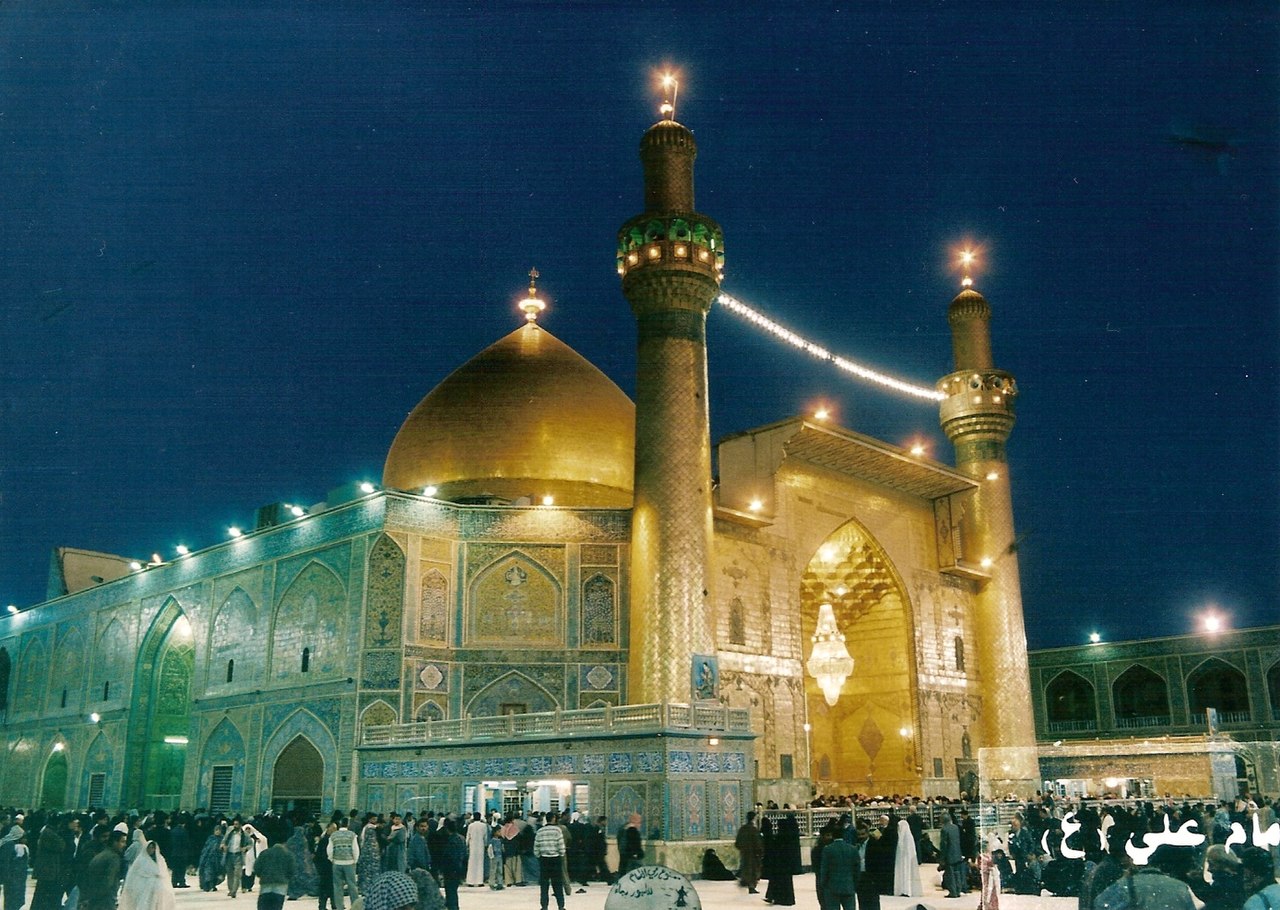
The complex is centred on the domed sanctuary and the tomb enclosure, surrounded by courtyards, arcades and porticos that accommodate large numbers of worshippers. A gilded dome and minarets rise above the sanctuary and can be seen across the city. Interior decoration includes tilework, calligraphy, chandeliers and a traditionally crafted metal enclosure (often described as a zarih) around the tomb that many pilgrims approach to offer prayers and salutations.
History and development
The site has been venerated since the early centuries of Islam and its buildings have been repaired, expanded and redecorated by successive dynasties and local patrons. Architectural layers and artistic styles reflect a long sequence of restorations and additions. Political change, periods of prosperity and episodes of damage have influenced the form and maintenance of the shrine over time.
Religious significance and pilgrimage
For Shia Muslims the shrine is a focal point of devotion, mourning rituals and pilgrimage (ziyara). Pilgrims visit to recite supplications, offer prayers, touch or kiss the tomb enclosure and attend commemorations on major religious dates. The site also serves as a centre for spiritual guidance and communal observance.
Institutions and surrounding sites
The shrine is surrounded by a dense network of seminaries, study halls and libraries associated with the Hawza of Najaf, one of the most important Shia seminaries. Nearby lies the Wadi al-Salaam cemetery, a large historic burial ground linked to the city’s religious role. The Arabic name for the site is often given as حرم الإمام علي, while English-language sources commonly refer to it as the Masjid Ali.
Conservation and visiting
Conservation of the shrine is an ongoing process involving restoration of decorative elements, structural repairs and maintenance to accommodate pilgrims. Access can be influenced by local conditions and authorities; visitors are asked to observe customary etiquette and dress codes when entering the complex. The shrine remains both a living place of worship and a major centre of Shia learning and heritage.
Related articles
Author
AlegsaOnline.com Imam Ali Mosque (Imam Ali Holy Shrine) Leandro Alegsa
URL: https://en.alegsaonline.com/art/46812