
Christian art: forms, history, and significance
An overview of Christian art: its subjects, media, historical development, liturgical and cultural roles, controversies like iconoclasm, and differences across Christian traditions.
Overview
Christian art encompasses visual works that engage with the beliefs, narratives, persons, and symbols of Christianity. It is a broad category with multiple definitions—ranging from devotional images for worship to works that simply reference Christian themes or figures. Artists and communities have used painting, sculpture, mosaics, stained glass, manuscript illumination and architecture to represent religious ideas and to shape collective memory.
Image gallery
10 Images
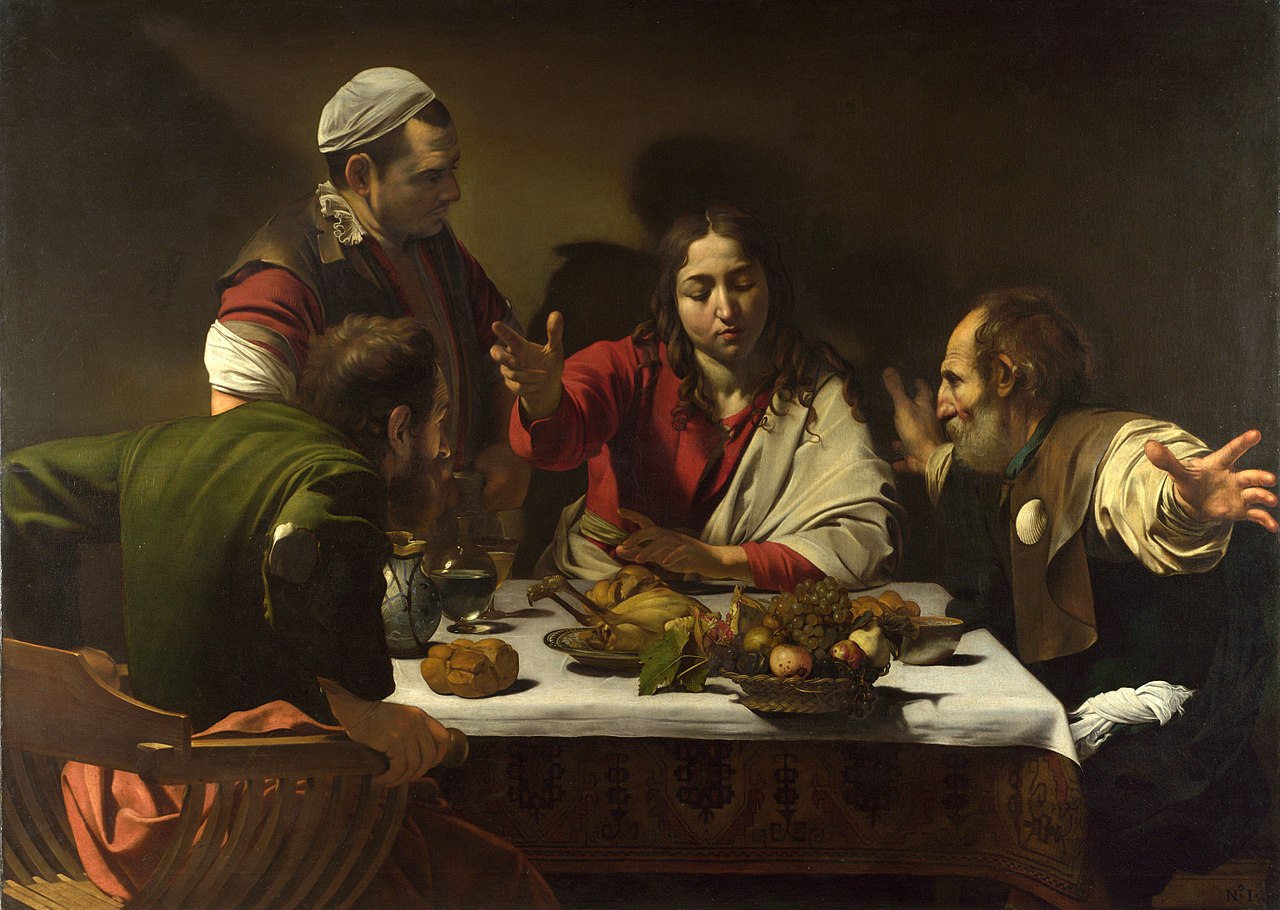


Forms and conventions
Traditional Christian imagery follows recognizable conventions to convey theological meanings: haloed figures to indicate sanctity; iconographic poses and gestures that communicate identity or status; color codes such as blue for the Virgin Mary in many Western paintings; and typological pairing of Old and New Testament scenes. Media vary from small portable icons used in private devotion to monumental frescoes and altarpieces made for communal liturgy.
History and development
From simple catacomb paintings in early Christian communities to the refined iconography of the Byzantine world, art developed alongside changing liturgical practices and theological emphases. Byzantine icons and mosaics established visual standards preserved in the Eastern churches, while medieval Western Europe produced illuminated manuscripts and sculptural programs for cathedrals. The Renaissance renewed interest in naturalism and classical forms, the Reformation and certain Protestant movements reduced or rejected some traditional imagery, and the Catholic Counter-Reformation encouraged expressive, didactic art. Modern and contemporary artists continue to reinterpret Christian themes in a variety of styles.
Purpose and contexts
Christian art serves multiple purposes: it instructs viewers about sacred history, supports worship and devotion, marks liturgical spaces, and fosters communal identity. In some traditions images are integral to prayer and veneration, while in others they are used primarily for teaching or decoration. Works are found in churches, homes, books, public monuments and digital media, each context shaping form and function.
Common motifs and examples
- Images of Jesus — nativity scenes, Ecce Homo, Crucifixion and Resurrection — are central to many traditions (Jesus).
- Marian imagery and portraits of saints appear prominently in Catholic and Orthodox art but are less emphasized in many Protestant contexts (saints and Mary).
- Old Testament narratives and typology are used to prefigure New Testament events.
- Formal types such as the Christ Pantocrator or Madonna and Child recur across centuries.
Controversy, variation, and influence
Not all Christian groups accept religious images equally. Periods of iconoclasm—formal movements opposing images—have occurred in both Eastern and Western histories and influenced how communities preserved or destroyed artworks. Differences among denominations affect subjects and styles: the Eastern Orthodox tradition emphasizes a continuous iconographic language, Roman Catholic art developed a rich repertoire for sacral drama and devotion, and many Protestant traditions favor simpler imagery or symbolic representations. Regardless of stance, Christian art has profoundly shaped Western visual culture and continues to be a living field of religious and artistic exchange.
For introductions to different approaches and scholarly debates see resources on definitions (definitions), theological aims (ideas and meanings), denominational practices (denominations), historic conflicts over images (iconoclasm) and more comparative overviews (Eastern and Western traditions) and global perspectives (Christianity).
Related articles
Author
AlegsaOnline.com Christian art: forms, history, and significance Leandro Alegsa
URL: https://en.alegsaonline.com/art/20064