
Iglesia ni Cristo (Church of Christ)
A Philippine-born Christian denomination founded by Felix Manalo in 1914, known for its centralized governance, nontrinitarian beliefs, global congregations and distinctive organizational discipline.
Overview
The Iglesia ni Cristo (see pronunciation; Filipino: Iglesia ni Cristo) is a Christian denomination that originated in the Philippines in the early 20th century. It was established by Felix Y. Manalo and formally organized on July 27, 1914 in Punta, Santa Ana, Manila. Members teach that the church restores the original Christian community established by Jesus, and they regard the organization itself as the true church in the present age.
Image gallery
10 Images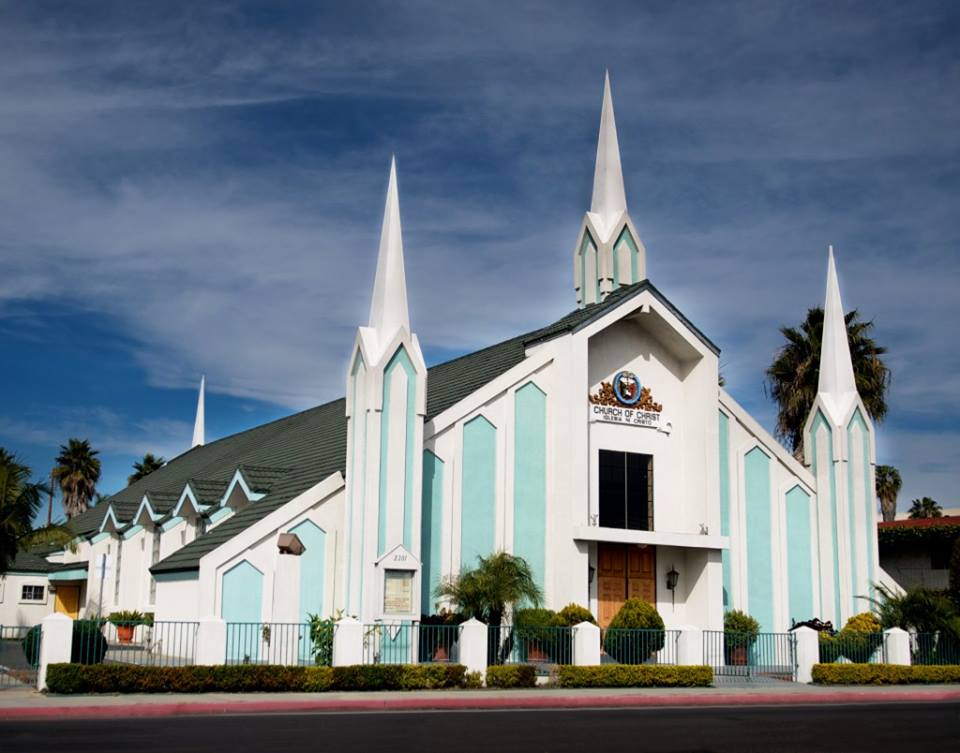


Beliefs and distinctive doctrines
The denomination is nontrinitarian and rejects the doctrine of the Trinity. It does not teach that Jesus is Almighty God in the same way mainstream Trinitarian churches do. Instead, its doctrine emphasizes the role of Christ in salvation while maintaining a distinct understanding of God’s nature. Iglesia ni Cristo also stresses the authority of the church organization and the need for members to follow its teachings and leadership in matters of faith and practice.
Organization, leadership and practices
INC is organized with a centralized administration headed by an Executive Minister, a role that traces to its founder and his successors; leaders exercise broad authority over doctrine, appointments and church discipline. Worship is congregational and structured: members meet for regular worship services, hymn singing and scriptural teaching. The church emphasizes unified observance of rites and orderly conduct within congregations. Followers are often encouraged to spread the gospel as interpreted by the denomination and to participate in church programs and community activities.
History and expansion
Beginning with a small group in Manila, the movement expanded across the Philippines and later overseas as Filipino communities migrated. Over the 20th and 21st centuries the church established congregations in Asia, the Americas, Europe, Africa and Oceania. Organizational growth included constructing prominent houses of worship and large venues for gatherings. The church marks its founding anniversary each year on July 27 with services and commemorations.
Social role, controversies and public profile
Iglesia ni Cristo plays a visible role in social and civic life in places where it has many members. It is known for organized relief efforts, community programs and large-scale events. At the same time, the denomination has been the subject of public debate and legal disputes at various times; issues reported in the public record have included internal leadership disagreements and questions about political engagement. Observers note the church’s distinctive feature of tightly coordinated membership behavior and centralized decision-making.
Notable features and distinctions
- Centralized governance with a strong Executive Minister and a hierarchical administrative structure (leadership role).
- Nontrinitarian theology that distinguishes it from most historic Christian communions (Trinity).
- Rapid expansion from a small Filipino origin to an international presence across many countries.
- Annual anniversary on July 27 and active community programs.
The Iglesia ni Cristo remains a significant religious movement with a distinctive identity among global Christian denominations. For further reading on pronunciation and name, see the links for pronunciation and the Filipino name, or for historical background consult sources on the church’s foundation in the Philippines in 1914. Additional topics—such as its theological positions on Jesus and God, its missionary efforts, and organizational practices—are covered in many studies and official church materials (gospel outreach), as well as reports about its founding location in Punta, Santa Ana, Manila and the role of its senior ministers.
Questions and answers
Q: Who founded the Iglesia ni Cristo?
A: The Iglesia ni Cristo was founded by Felix Manalo in the Philippines in 1914.
Q: Does the INC believe in the doctrine of the Trinity?
A: No, the church does not believe in the religious teachings of the Trinity, including the teaching that Jesus is God.
Q: Why did Felix Manalo join many religious organizations as a young adult?
A: It is not clear why Felix Manalo joined many religious organizations as a young adult, but he later claimed that God gave him a mission to teach the gospel and bring back the first church made by Jesus.
Q: When did the INC begin and where did it start?
A: The INC began on July 27, 1914 in Punta, Santa Ana, Manila with a handful of followers, and Felix Manalo was the highest minister at that time.
Q: Was the Iglesia ni Cristo really founded by Jesus Christ as claimed by the INC?
A: No, although the INC claims to have been founded by Jesus Christ, it was actually Felix Manalo who founded it.
Q: Where has the Iglesia ni Cristo spread to now?
A: The Iglesia ni Cristo has spread to many different countries since its founding in the Philippines in 1914.
Q: Did Felix Manalo ever bring back the first church made by Jesus as he claimed he would?
A: It is not clear whether Felix Manalo was able to bring back the first church made by Jesus as he claimed he would.
Related articles
Author
AlegsaOnline.com Iglesia ni Cristo (Church of Christ) Leandro Alegsa
URL: https://en.alegsaonline.com/art/46595
Sources
- iglesianicristo.us : Crisostomo, Isabelo T. 'Felix Y. Manalo and the Iglesia ni Cristo', Pasugo (May-June 1986)
- mb.com.ph : Suarez, E. T. 'Iglesia ni Cristo turns 91 today' Manila Bulletin (July 27, 2005)