
Idolatry: worship of images, cultural history, and modern meanings
Idolatry is devotion to images, statues, or figures treated as divine or absolute. This article explains definitions, religious debates, historical developments, cultural distinctions, and modern metaphorical uses.
Overview
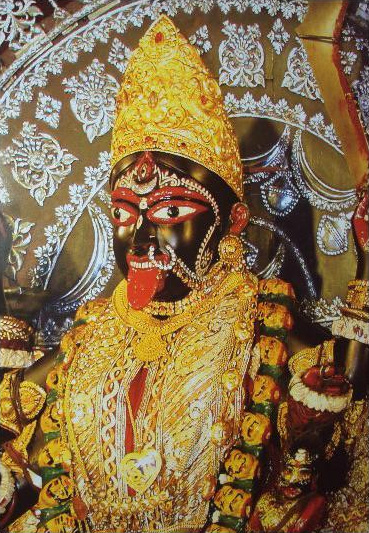
Idolatry commonly denotes the worship of images, statues or other physical objects as gods or divine embodiments. In many contexts the term also functions figuratively to describe excessive devotion to a person, idea or thing. Different traditions and scholars draw varying lines between acceptable veneration and what they call idolatry; these distinctions are central to religious practice and theology. For a general definition see worship.
Image gallery
10 Images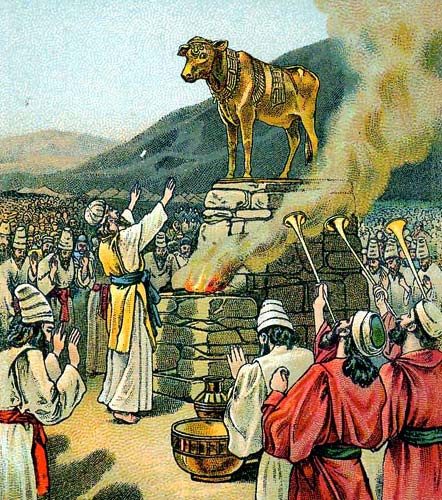



Forms and distinguishing features
Idolatry appears in several forms and practices. Typical features include:
- Ritual acts directed at a physical representation (an image, statue or relic).
- The attribution of independent divine power or agency to that object.
- Use of the object as a focal point for prayer, offerings or festivals.
Historical and religious perspectives
Throughout history, attitudes toward images have varied. Some monotheistic religions have strict prohibitions against making or worshipping images, viewing such acts as a rival to a transcendent deity. Other traditions permit or encourage images as aids to devotion, understanding them as symbolic, pedagogical or as manifestations of divine presence rather than ultimate objects of worship. Debates over images have produced movements such as iconoclasm (image destruction) and, conversely, periods of rich visual religious expression.
Veneration versus worship
Many faiths make a conceptual distinction between veneration—respect shown to an image as a representation or reminder—and worship, which is reserved for the divine itself. This distinction can be subtle and is often contested across communities, shaping liturgy, art and law.
Modern usages and cultural significance
In secular language, "idolatry" is used metaphorically to criticize consumerism, celebrity culture, political cults of personality or technological obsession. Such usage emphasizes misplaced priorities or the elevation of human-made ideals above ethical or spiritual values. Contemporary discussions also address how heritage, art and monuments intersect with accusations of idolatry or reverence.
Notable facts and debates
Legal and social responses to alleged idolatry have ranged from tolerance and integration to prohibition and iconoclastic removal. Scholarly study of idolatry engages anthropology, history, theology and art history to understand why objects become charged with sacred meaning and how communities negotiate representation, power and devotion.
Related articles
Author
AlegsaOnline.com Idolatry: worship of images, cultural history, and modern meanings Leandro Alegsa
URL: https://en.alegsaonline.com/art/46541
Sources
- doi.org : 10.3138/jrpc.19.1.001 · archive.org · archive.org
- doi.org : 10.1163/ej.9789004161955.i-538.53 · archive.org · archive.org
- books.google.com : Iconoclasm and Iconoclash: Struggle for Religious Identity
- books.google.com : The Legend of Sergius Bahira: Eastern Christian Apologetics and Apocalyptic in Response to Islam
- newint.org : newint.org/features/1986/01/05/idol
- news.bbc.co.uk : news.bbc.co.uk/2/hi/talking_point/556852.stm
- billygraham.org : billygraham.org/answer/i-heard-a-preacher-on-tv-say-the-other-day-that-america-is-filled-…