
Immaculate Conception (Roman Catholic doctrine)
Roman Catholic dogma that Mary was preserved free from original sin from the first moment of her conception; defined in 1854 and observed as a feast on December 8.
Overview
The Immaculate Conception is a distinctive Roman Catholic teaching that holds Mary, mother of Jesus, was preserved free from original sin from the first moment of her conception. It is a dogma within the Catholic Church and is often referred to in statements about Catholic belief and official doctrine. The term refers specifically to Mary’s own conception in the womb of her mother, Saint Anne, not to the conception of Jesus.
Image gallery
10 Images


Theological meaning and distinctions
According to this teaching, from the first instant of her existence Mary was granted the grace of freedom from what Christian theology commonly calls conception-related corruption by original sin. The doctrine uses the concept of original sin as the condition from which Mary was preserved, and it is explained as a special gift rather than something she merited by her own merits. One traditional theological rationale is that, because Jesus is both God and man, it was fitting that his mother be pure from sin—an argument summarized in many catechetical treatments and sometimes referenced with the claim that Christ could not have been born of a woman who bore the stain of sin (theological explanation).
Historical development and solemn definition
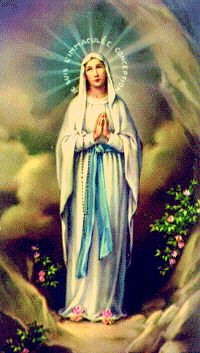
Belief in Mary’s exceptional holiness has early roots in Christian piety and patristic reflections, and it developed over centuries in popular devotion, theological debate, and liturgical practice. The teaching reached a formal juridical status in the 19th century when Pope Pius IX declared it a dogma in the apostolic constitution Ineffabilis Deus (1854). Devotional events associated with the doctrine, notably the Lourdes apparitions, reinforced popular recognition; the young Bernadette Soubirous reported visions in which the figure identified herself as the Immaculate Conception at an apparition in Bernadette's testimony, which took place near Lourdes in France.
Liturgical observance and popular devotion
The Church celebrates the doctrine on the Feast of the Immaculate Conception each year on December 8. The feast combines liturgical prayer, Marian devotions, and, in many countries, public observances. For Catholics the dogma is part of the larger Marian tradition and is connected to teachings about Mary’s role in salvation history; for others it serves as a focal point for ecumenical discussion. It is important to note that the Immaculate Conception is not the same as the conception of Jesus, which Christians describe with the term Incarnation.
Reception and differing perspectives
The Immaculate Conception is accepted as an article of faith by the Roman Catholic Church, but it is not held by all Christian communions. Many Protestant traditions and the Eastern Orthodox Churches understand Mary as highly honored and sinless in life, yet they do not generally accept the specific formulation of hereditary exemption defined by the 1854 dogma. The declaration generated theological discussion about papal authority, the interpretation of Scripture and tradition, and the relationship between popular piety and official definition.
Key points and further reading
- Definition: Mary preserved from original sin from the moment of her conception (Catholic teaching).
- Dogmatic act: Proclaimed by Pope Pius IX in 1854.
- Not the Incarnation: Distinct from the conception of Jesus (Incarnation, Jesus’ conception).
- Popular devotion: Linked with Lourdes and Bernadette’s vision (Bernadette, Lourdes, apparition).
- Context: Connected to teachings on original sin and theological motives for Mary’s role (theological rationale).
For introductions and summaries consult authoritative sources on Catholic doctrine and histories of Marian devotion (doctrinal summaries, conception-related studies). The doctrine remains a significant element of Catholic identity and liturgical life, shaping art, prayer, and popular piety across many cultures.
Related articles
Author
AlegsaOnline.com Immaculate Conception (Roman Catholic doctrine) Leandro Alegsa
URL: https://en.alegsaonline.com/art/46836