
Imam: roles, history, and variations in the Islamic tradition
An imam is a Muslim leader commonly responsible for leading prayer and guiding a community; the office and meaning vary across Sunni, Shia and other Muslim contexts.
An imam (Arabic term: إمام; Persian: امام) is a figure in Islam who performs leadership functions inside religious communities. In the broadest sense an imam leads communal prayer, delivers sermons, and provides religious guidance. Depending on local custom and doctrine the title can refer to a practical prayer leader at a mosque or to a much more elevated office with theological and political importance.
Image gallery
10 Images


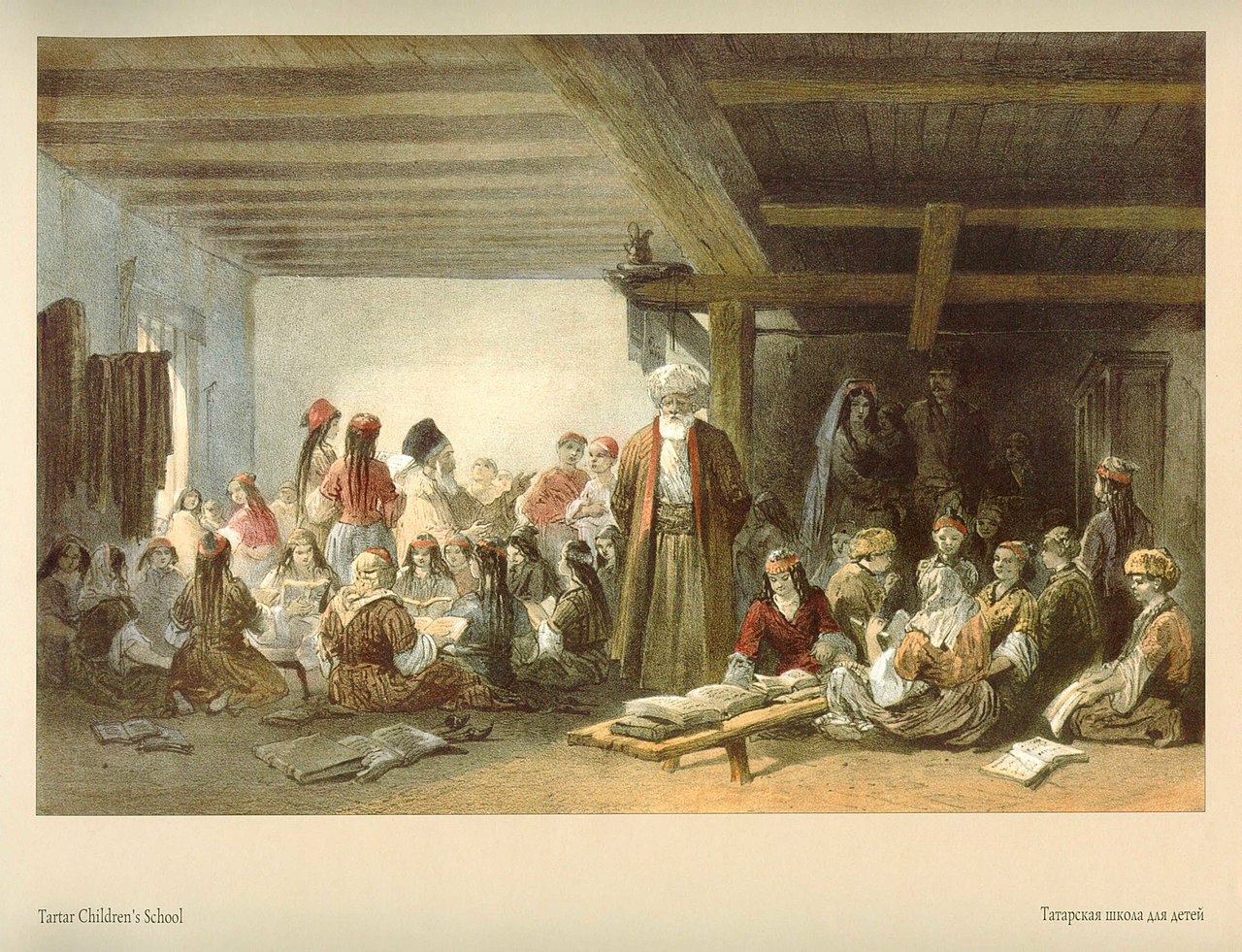


Roles and typical duties
The precise responsibilities of an imam vary, but commonly include:
- Leading the five daily prayers and the Friday congregational service (salat and jumuʿah).
- Delivering the khutbah (sermon) and teaching Qurʾan, hadith and Islamic law.
- Providing pastoral care: counseling, officiating at weddings and funerals, and advising on moral and family matters.
- Administrative work linked to running a mosque or community organization.
- In some contexts, issuing legal opinions or coordinating with other religious authorities.
Historical development
The role of local prayer leader existed from the earliest Muslim communities, when the person most knowledgeable in prayer and scripture would lead worship. Over time different Muslim societies institutionalized the role: in some regions imams became trained scholars or teachers; in others they were state-appointed employees. Political concepts such as the caliphate and, later, formal religious institutions shaped how the title was understood and how authority was exercised.
Qualifications and training
Qualifications for an imam are context-dependent. In many communities an imam is expected to know how to recite the Qurʾan correctly, understand basic jurisprudence (fiqh), and be able to lead prayer and preach. More formal positions often require study at a religious school, recognized scholarly credentials, or appointment by a mosque board or state ministry. Some imams serve part-time, while others work as professional clerics.
Variations and important distinctions
Sunni and Shia usages of the term differ significantly. In most Sunni settings an imam is primarily a congregational leader or scholar without inherent infallibility; the title can be held by many persons across different mosques. By contrast, Twelver Shia theology uses the term Imam for a succession of divinely appointed, authoritative leaders whose role combines spiritual and political dimensions. The everyday prayer leader in Shia communities may also be called an imam, but scholars distinguish the local function from the theological office.
Other variations include Sufi orders, where a spiritual guide may be called imam or sheikh, and contemporary debates about women leading mixed-gender congregational prayers, which remain contentious and vary by community. In many modern states imams may be employed or certified by public institutions, while diaspora communities adapt the role to local needs.
For more general definitions and linguistic notes see the term in Arabic and related entries: religious leader, and for mosque-related functions consult sources on the mosque institution: mosque. Additional background on differing doctrinal uses is available at Arabic-language resources and scholarship linked from Persian-language sources.
Related articles
Author
AlegsaOnline.com Imam: roles, history, and variations in the Islamic tradition Leandro Alegsa
URL: https://en.alegsaonline.com/art/46818