
Exodus — the second book of the Torah
Exodus (Hebrew: Shemot) narrates the Israelites' departure from Egypt, the calling of Moses, the revelation at Sinai, and instructions for worship including the Ark of the Covenant.
Overview
Exodus is the second book of the Torah and an integral part of the Hebrew Bible and Christian Old Testament. In Hebrew it is called Shemot, literally "Names," while the English and Latin title "Exodus" means "departure" or "going out" (Exodus). The book recounts how the Israelites emerged from servitude in Egypt and were formed into a people under the guidance of God through the leadership of Moses.
Image gallery
10 Images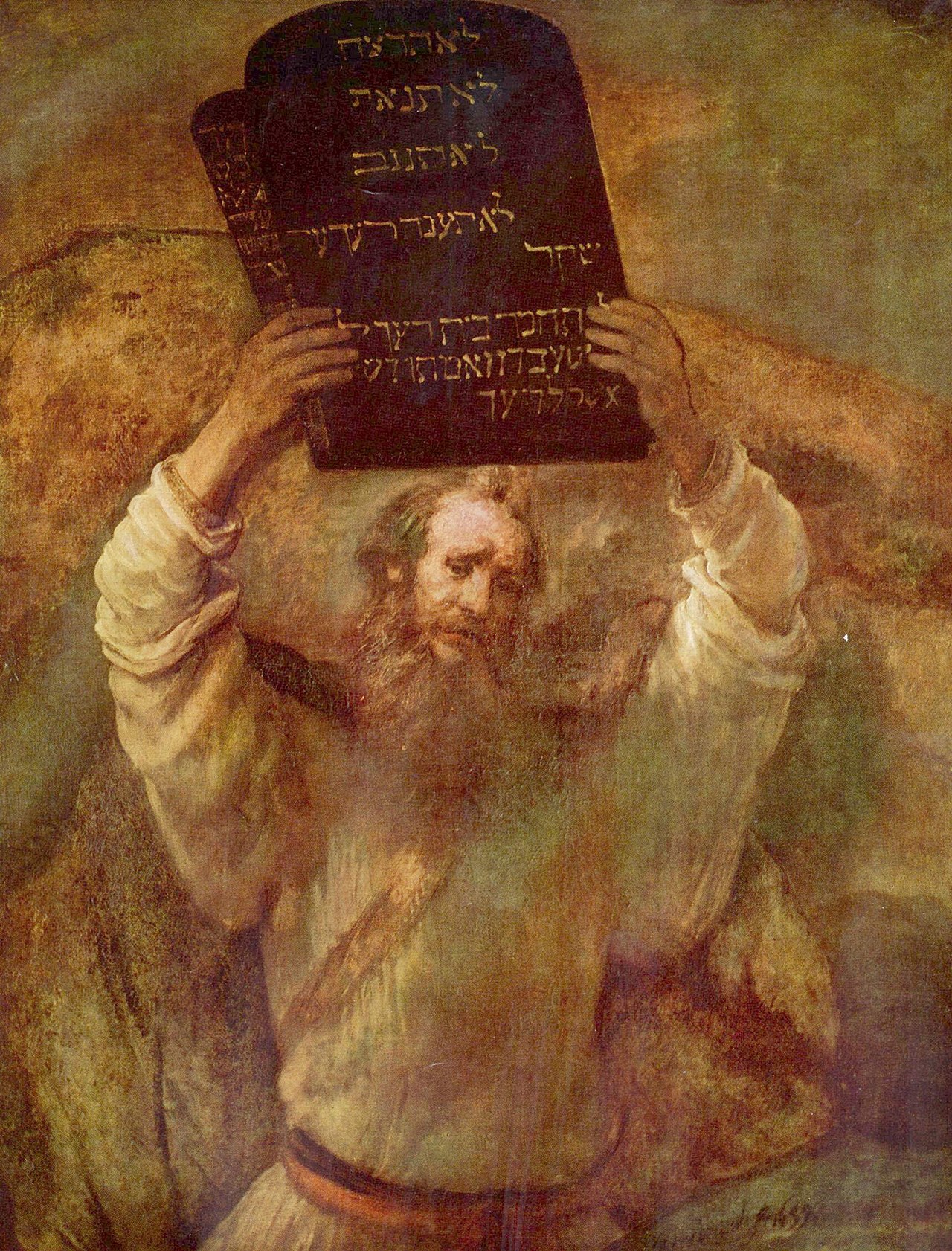

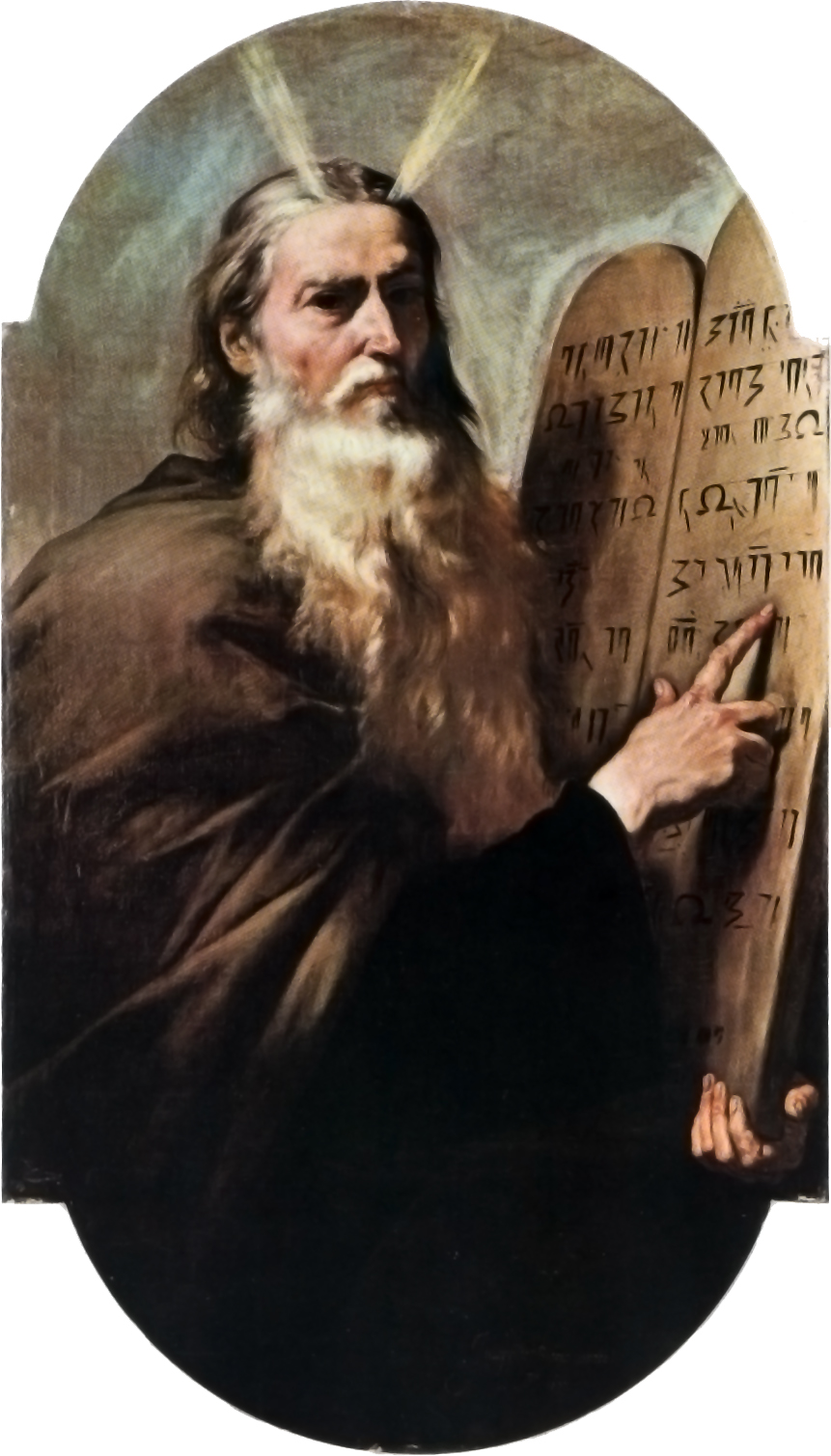


Contents and structure
Exodus combines narrative history with legal and ritual material. Major episodes include the oppression in Egypt, the birth and rise of Moses, the ten plagues, the institution of the Passover, the miraculous crossing of the sea, and the arrival at Mount Sinai. At Sinai the community receives laws and covenant obligations; the book culminates with detailed instructions for building the portable sanctuary and the Ark of the Covenant.
Key episodes and laws
- The call of Moses and the burning bush.
- The ten plagues and Pharaoh's eventual consent to release the people.
- The Passover ritual and the Exodus itself.
- The revelation at Mount Sinai, including the Decalogue (Ten Commandments) and additional legislation.
- The design and construction of the tabernacle and the Ark.
Themes and religious importance
Exodus addresses fundamental themes such as liberation, covenant, law, identity, and divine presence. It shapes Jewish worship and memory — most notably the festival of Passover, which commemorates the departure from Egypt — and it has deep resonance in Christian theology as a prelude to themes of salvation. The narrative frames God as deliverer and lawgiver and defines communal practices and sacred space.
History, authorship and scholarship
Tradition often attributes Exodus to Moses, but modern scholars note that the book displays a range of styles and materials and was likely redacted over time. Academic study examines oral traditions, legal collections, priestly and non-priestly strands, and later editorial shaping. Precise dates and processes remain subjects of scholarly debate; descriptions in Exodus are treated as foundational religious history rather than modern historiography.
Influence and legacy
Exodus has had wide cultural influence beyond religious communities. Its imagery and language appear in art, literature, music and political rhetoric where themes of liberation and covenant are evoked. For Jewish and Christian communities the book remains central to worship, law, and identity, while its stories continue to be retold, interpreted, and taught in diverse settings.
For further background consult resources on the Torah, the Hebrew title Shemot, classical treatments of the Exodus narrative, histories of the Israelite presence in Egypt, theological studies of God's revelation, biographies of Moses, and archaeological or textual discussions of the Ark of the Covenant.
Questions and answers
Q: What is Exodus?
A: Exodus is the second book of the Torah, which tells the story of how the Hebrew people were led out of Egypt by God.
Q: What is the meaning of the Hebrew word for Exodus?
A: The Hebrew word for Exodus is Shemot, which means 'names'.
Q: What is the meaning of the word Exodus in Latin?
A: The word Exodus means 'going out' in Latin.
Q: Who was their leader during the Exodus?
A: Moses was their leader during the Exodus.
Q: What did Moses do after hearing God's words?
A: After hearing God's words, Moses relayed them to the Israelites.
Q: How does Exodus end?
A: Exodus ends with God's laws and instructions on how to build the Ark of the Covenant.
Q: What is the Ark of the Covenant?
A: The Ark of the Covenant is a holy container that was instructed to be built by God at the end of the book of Exodus.
Related articles
Author
AlegsaOnline.com Exodus — the second book of the Torah Leandro Alegsa
URL: https://en.alegsaonline.com/art/32949