
Hurricane Cesar–Douglas: a cross‑basin cyclone of 1996
Hurricane Cesar–Douglas was a rare 1996 storm that formed in the Atlantic as Cesar, crossed Central America, and re‑intensified in the Pacific as Hurricane Douglas.
Overview
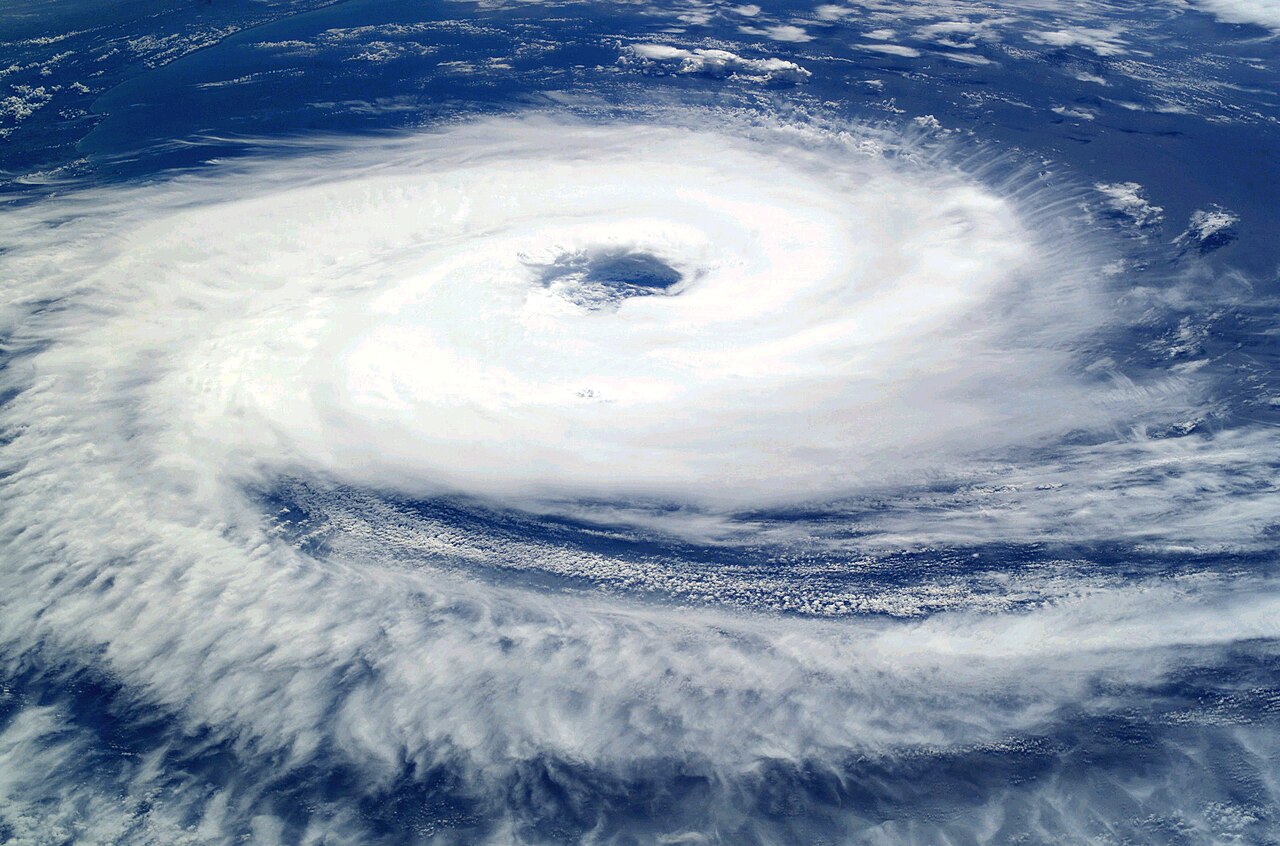
Hurricane Cesar–Douglas was a notable 1996 tropical cyclone that existed in both the Atlantic and Pacific basins. It originated in the tropical Atlantic as Hurricane Cesar, moved westward across the Caribbean and Central America, and emerged into the eastern Pacific where it reorganized and reached major hurricane strength under the name Douglas. The dual identity of this system makes it a frequently cited example of cross‑basin tropical cyclones.
Image gallery
8 Images


Characteristics and lifecycle
In the Atlantic basin the system was classified as a hurricane of modest intensity (Category 1 on the Saffir–Simpson scale). After traversing land, the circulation survived and redeveloped over the warm waters of the eastern Pacific. There it intensified substantially and was recorded as a Category 4 hurricane, becoming the most intense storm of the 1996 Pacific hurricane season. The rapid change in intensity after crossing into a different basin illustrates how environmental conditions—sea surface temperatures, vertical wind shear, and moisture—strongly influence tropical cyclone strength.
Development and track
The storm followed a westward path typical of tropical waves that emerge from Africa and travel across the Atlantic. After becoming Cesar in the Caribbean, interaction with Central American terrain weakened the system but did not entirely disrupt its low‑level circulation. Once over the Pacific, favorable atmospheric conditions allowed the remnant circulation to redevelop, prompting the renaming to Douglas under the naming conventions then in effect. For a visual summary of the track and timing see storm track maps.
Impacts and significance
While the Atlantic phase produced storm‑related rainfall and localized damage, the most intense winds and open‑ocean impacts occurred during the Pacific phase as Douglas. The event is significant both meteorologically and historically: it demonstrates how a single tropical disturbance can produce separate named storms in different basins, and it figures in seasonal summaries such as the 1996 Pacific hurricane season and the 1996 Atlantic hurricane season. The storm is often referenced in studies of cross‑basin continuity and the effects of land interaction on cyclone structure.
Notable facts and distinctions
- Cross‑basin occurrence: Cesar–Douglas is an example of a system that maintained enough structure to regenerate after crossing a landmass and receive a new name in a different basin.
- Intensity contrast: the storm reached only Category 1 strength in the Atlantic phase but intensified to Category 4 after entering the Pacific, illustrating the role of oceanic and atmospheric environments.
- Nomenclature: at the time, the storm was renamed upon entering the Pacific; this practice highlights how regional forecasting agencies assign names when a system moves between official basins.
Together, these points make Hurricane Cesar–Douglas an instructive case for understanding tropical cyclone behavior, basin interactions, and the practical effects of naming and tracking storms across different oceanic regions.
Questions and answers
Q: What was Hurricane Cesar-Douglas?
A: Hurricane Cesar-Douglas was a Category 4 hurricane that crossed the Atlantic as Hurricane Cesar and continued to move west to the Pacific as Hurricane Douglas.
Q: When did Hurricane Cesar-Douglas occur?
A: Hurricane Cesar-Douglas occurred in 1996.
Q: What was the strength of Hurricane Cesar-Douglas?
A: Hurricane Cesar-Douglas was the strongest storm for the 1996 Pacific hurricane season.
Q: How many hurricanes occurred during the 1996 Atlantic hurricane season?
A: Hurricane Cesar-Douglas was the second hurricane of the 1996 Atlantic hurricane season.
Q: What was the category of Hurricane Cesar when it was in the Atlantic?
A: When it was in the Atlantic, Hurricane Cesar was a category 1 hurricane.
Q: Did Hurricane Cesar-Douglas cause any damage?
A: The text doesn't mention whether Hurricane Cesar-Douglas caused any damage.
Q: Was Hurricane Cesar-Douglas the strongest hurricane ever recorded?
A: The text doesn't mention whether Hurricane Cesar-Douglas was the strongest hurricane ever recorded. It only states that it was the strongest storm for the 1996 Pacific hurricane season.
Related articles
Author
AlegsaOnline.com Hurricane Cesar–Douglas: a cross‑basin cyclone of 1996 Leandro Alegsa
URL: https://en.alegsaonline.com/art/45848