
Panama — Republic of Panama: geography, history, economy and culture
Panama is an isthmian state linking the Americas, famed for the Panama Canal. It features tropical biodiversity, a service-based economy centered on shipping and finance, and a diverse Spanish-speaking population.
Overview
The Republic of Panama occupies the narrow isthmus that links the continents of the Americas and is commonly considered part of North America for geographic and political purposes. It lies between the Caribbean Sea to the north and the Pacific Ocean to the south. Panama shares land borders with Costa Rica to the northwest and Colombia to the southeast. The capital and largest city, Panama City, is a hub for banking, commerce, tourism and shipping.
Image gallery
10 Images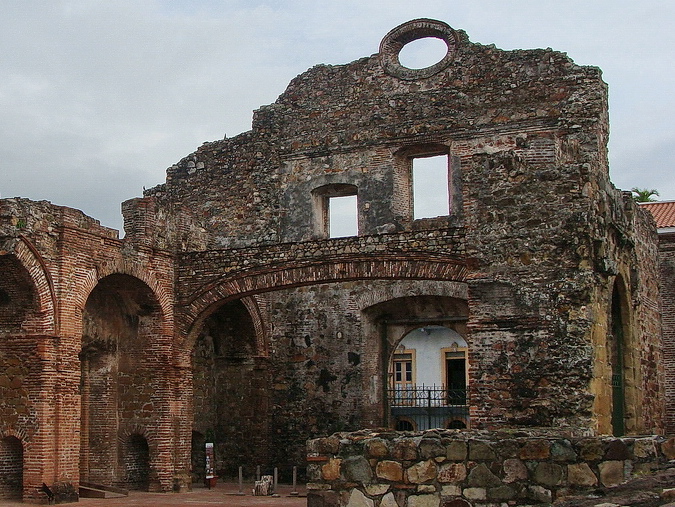
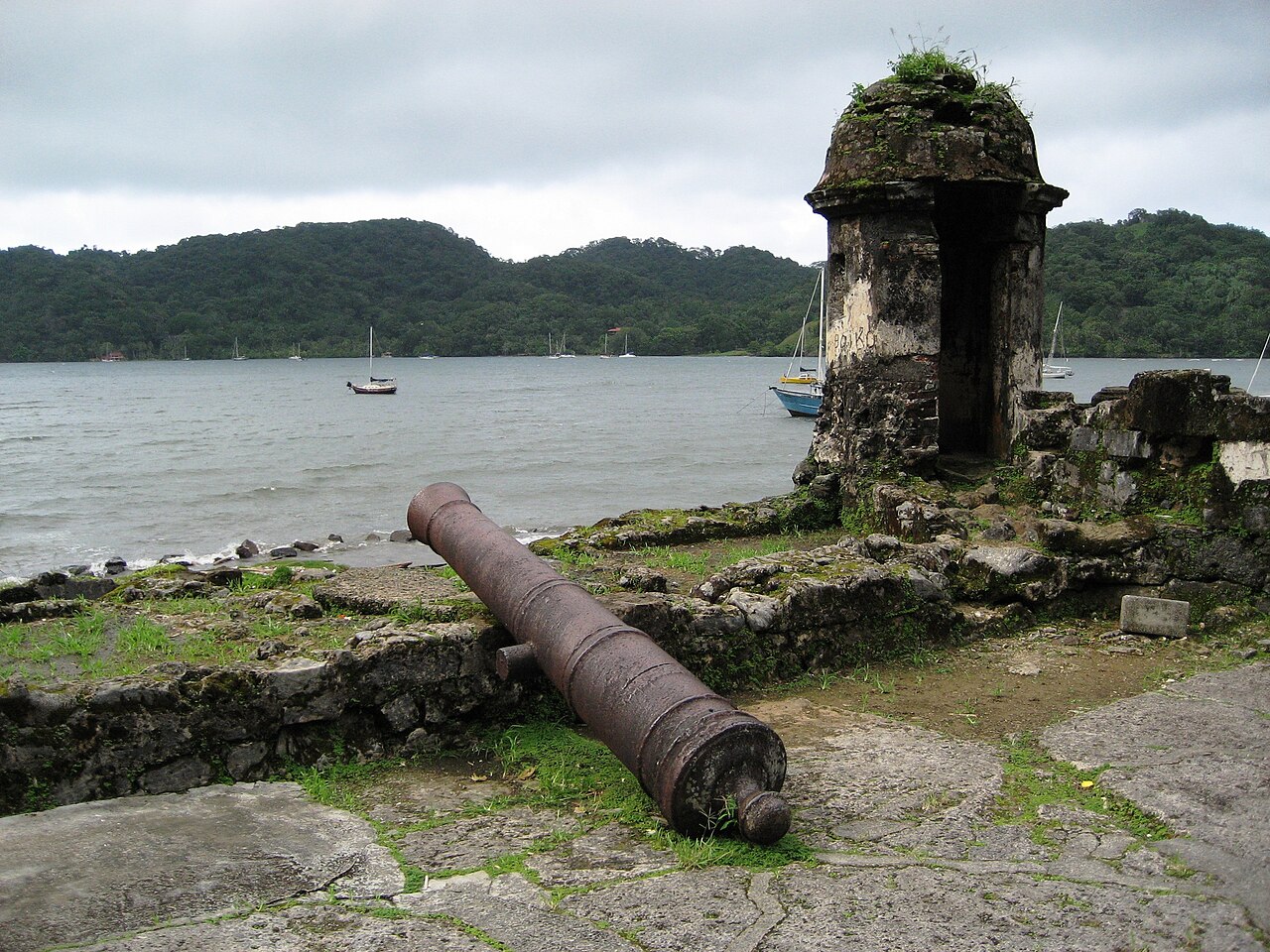


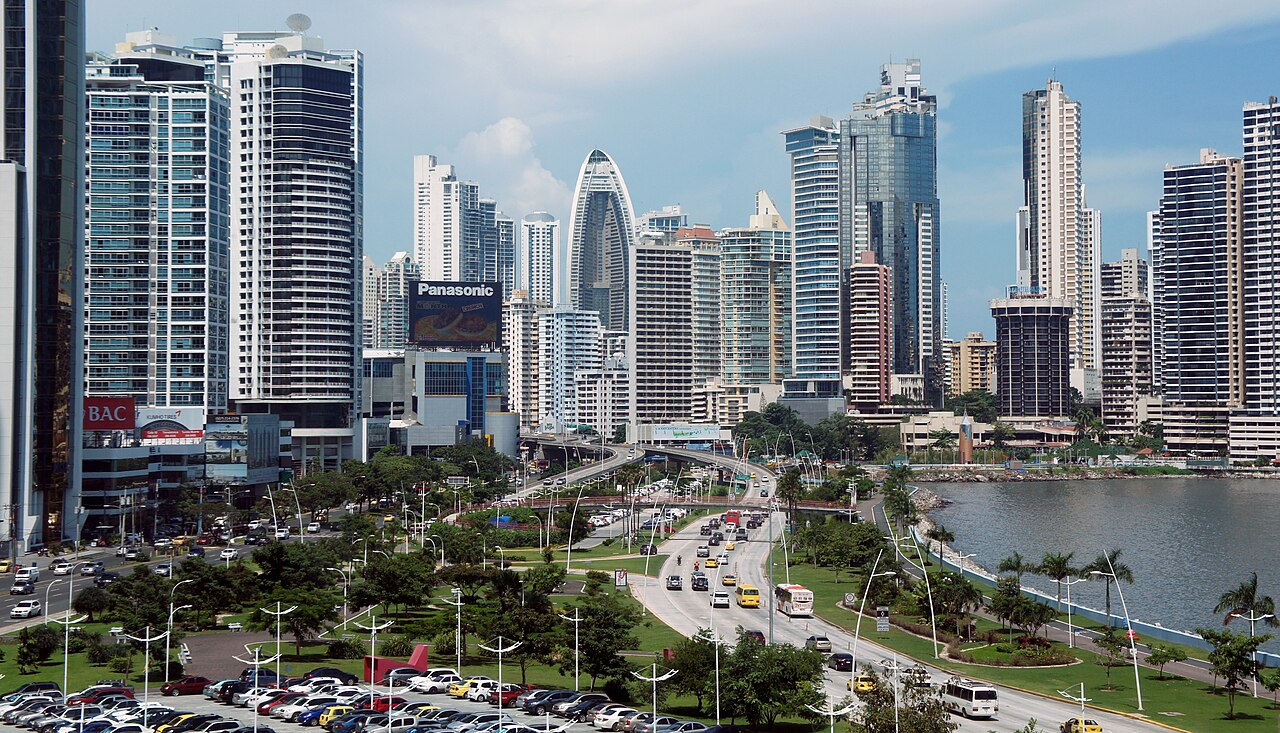


Geography and environment
Panama's terrain is a mix of low coastal plains, interior hills and mountainous ranges. The isthmus serves as a natural corridor for species and ocean currents, and the country is noted for high biodiversity and varied ecosystems, including cloud forests, mangroves and coral reefs. Numerous national parks and protected areas support conservation and ecotourism across both Caribbean and Pacific coasts.
History and the Panama Canal
Indigenous peoples inhabited the isthmus long before European contact; Spanish colonization in the 16th century shaped language, religion and institutions. Modern Panama emerged through independence movements in the 19th and early 20th centuries. The Panama Canal, opened in 1914, created a vital maritime shortcut connecting the oceans. Control of the canal passed from the United States to Panama under agreements signed in the late 20th century, and the waterway continues to be central to global trade and national policy.
Government, society and culture
Panama is a constitutional republic with an elected president and a legislative assembly. Spanish is the official language, while English is widely used in business and tourism. The population is ethnically and culturally diverse: indigenous groups such as the Guna (Kuna), Ngäbe-Buglé and Emberá maintain distinct languages and traditions alongside communities of African and European descent and more recent immigrants. A majority of people identify as Christian, and Roman Catholicism has been historically prominent (about 80% in broad surveys).
Economy and transport
The Panamanian economy is heavily oriented toward services. The canal generates transit fees and stimulates related industries such as ports, warehousing, maritime services and logistics. Panama City hosts an international financial sector and free-trade zones. The country uses the Panamanian balboa alongside the United States dollar as legal tender, which has supported its role as a regional commercial and banking centre. Major ports on both coasts and international airports connect Panama to global trade routes.
Biodiversity and conservation
Because it bridges two continents, Panama is important for migratory routes and as a zone of species exchange. Conservation initiatives protect habitats and endemic species; protected areas attract researchers and eco-tourists interested in tropical flora, birdlife and marine ecosystems. Sustainable tourism and protected reserves are significant for both biodiversity and local economies.
Key facts and relevance
- Strategic geographic position between two oceans makes Panama a global trade crossroads.
- The Panama Canal remains central to international shipping and national revenue.
- Rich natural diversity and protected parks encourage conservation and ecotourism.
- Cultural life blends indigenous heritage, Spanish colonial legacy and Afro-Caribbean and global influences.
For regional context consult resources on North America, the Caribbean Sea and the Pacific Ocean, and neighbouring states such as Costa Rica and Colombia. Detailed technical and historical material about the Panama Canal explains its continuing role in shipping and Panama's economy.
Related articles
Author
AlegsaOnline.com Panama — Republic of Panama: geography, history, economy and culture Leandro Alegsa
URL: https://en.alegsaonline.com/art/74313
Sources
- imf.org : "Panama"
- data.worldbank.org : "Gini Index"
- hdr.undp.org : "Human Development Report 2011"
- cia.gov : "Panama"
- latinbusinesschronicle.com : "Latin Business Chronicle"