
Nicaragua: geography, people, history and culture
Central American republic known for volcanoes, Lake Nicaragua, diverse peoples and vivid literary and musical traditions. Summary of geography, population, history, economy and tourism.
Overview
Nicaragua is a Central American country officially known in Spanish as the República de Nicaragua. It covers about 129,494 square kilometres, making it the largest country in Central America by area. Nicaragua lies between Honduras to the north and Costa Rica to the south. Its capital and largest city is Managua, where a significant portion of the national population is concentrated. The country is noted for its mixture of Pacific lowlands, a central highland ridge, and a Caribbean coastal plain.
Image gallery
10 Images


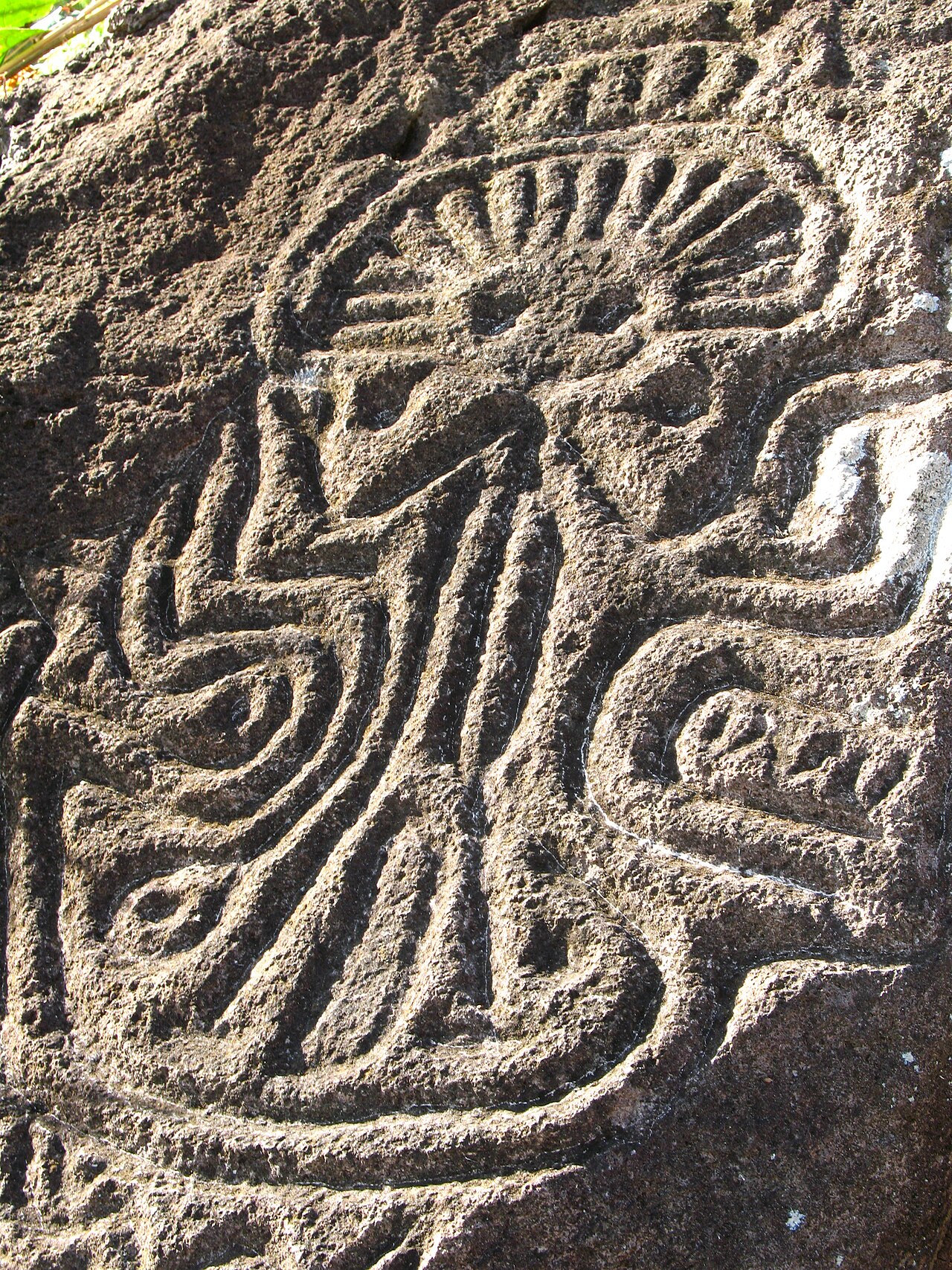

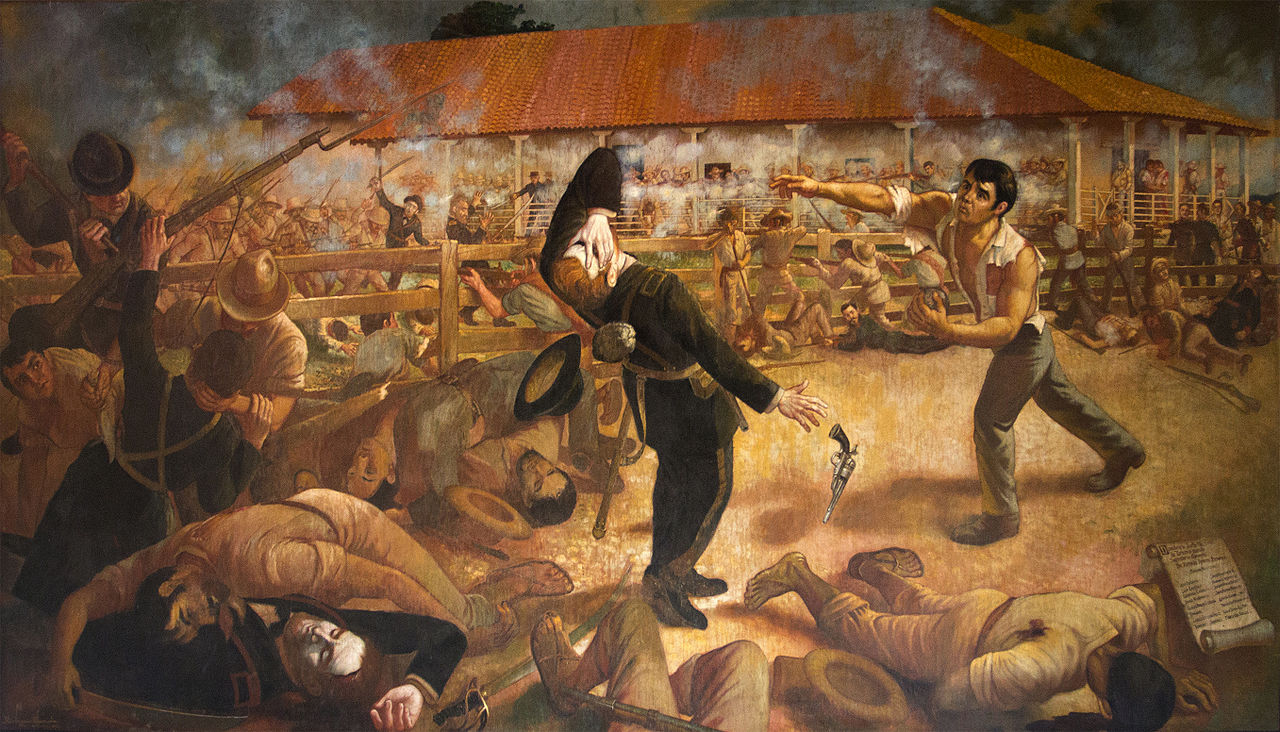


Geography and environment
Nicaragua's landscape includes volcanic chains, freshwater lakes and coastal wetlands. Lake Nicaragua, also called Lake Cocibolca, is one of the largest lakes in Central America and contains several islands. Active and dormant volcanoes rise along the Pacific side, and the eastern Caribbean coast features lowland rainforests and mangrove systems. The variety of habitats supports notable biodiversity, from tropical dry forests to marine life along the coasts, and the country has become popular with nature-oriented travelers because of these features.
- Major physical features: volcanoes, Lake Nicaragua, Pacific and Caribbean coasts.
- Climate: tropical and sub-tropical with a distinct rainy season and dry season.
- Conservation issues: deforestation, habitat protection and sustainable tourism.
People and culture
The population is culturally diverse and includes Mestizo majorities, Afro-descendant and a range of indigenous groups concentrated along the Atlantic coast. Indigenous and Afro-Indigenous communities, often described collectively as indigenous communities, speak local languages such as Miskito, Sumo and Rama and maintain distinct traditions. Spanish is the national language, while English-based varieties such as Creole are common along the Caribbean littoral. The local Creole dialect is a fusion of English and other European languages, a legacy of contact and trade: Creole varieties incorporate influences historically associated with Dutch, French, Portuguese and Spanish.
Cultural life in Nicaragua includes strong literary and poetic traditions: notable writers and poets such as Rubén Darío and Ernesto Cardenal have had international influence. Music and dance are important social expressions. Unlike many neighboring countries, baseball is particularly popular in Nicaragua, often described simply as baseball being a leading sport — a historical influence dating from periods of economic and political contact with the United States. At the same time, mainstream Latin rhythms like salsa and merengue are widespread, while the Caribbean coast preserves Afro-Caribbean styles and rhythms of its own.
History and politics
Nicaragua's history spans pre-Columbian indigenous societies, Spanish colonial rule, independence movements in the early 19th century, and a complex modern era marked by political upheaval in the 20th century. The country experienced changing governments, periods of revolutionary rule and efforts at democratic restoration. Its political life has been shaped by landholding patterns, foreign interventions, and internal movements for social reform. Contemporary Nicaragua faces the challenge of balancing governance, economic development and civil liberties while integrating its regional identities.
Economy and tourism
The Nicaraguan economy combines agriculture, mining, manufacturing and services. Key agricultural products include coffee, bananas, sugar and beef, and small- and medium-sized enterprises are important in urban areas. Tourism has grown around natural attractions — volcanoes, lake islands, colonial cities like Granada and León, and ecotourism on the Caribbean coast. Infrastructure and investment needs remain significant, and sustainable development is a recurring theme in policy debates.
Notable facts and distinctions
Nicaragua is often described by contrasts: a relatively large land area with a modest population, rich natural resources alongside development challenges, and a cultural mix that blends indigenous, African, European and mestizo influences. It hosts festivals, literary events and a living tradition of poetry that attracts international visitors. For readers seeking further reading or specific data, each topic here can be explored in more depth through regional studies, travel resources and works by Nicaraguan authors and scholars.
Further information: see national summaries, conservation reports and cultural anthologies for up-to-date statistics and detailed discussion of the themes summarized above.
Questions and answers
Q: What is the official name of Nicaragua?
A: The official name of Nicaragua is the Republic of Nicaragua (Spanish: República de Nicaragua).
Q: How large is Nicaragua?
A: Nicaragua has a size of 129,494 square kilometres, making it the largest country in Central America.
Q: What is the capital city of Nicaragua?
A: The capital city of Nicaragua is Managua. It is also the third-largest city in Central America and home to almost a quarter of the population.
Q: What languages are spoken in Nicaragua?
A: The main language spoken in Nicaragua is Spanish. Additionally, some native tribes on the eastern coast speak their native languages such as Miskito, Sumo, and Rama. English Creole can also be heard among some people.
Q: What kind of art and literature does Nicaraguan culture have?
A: Nicaraguan culture has diverse art and literature due to its multicultural population which includes indigenous native tribes from the Miskito Coast, Europeans, Africans, and Asians. Famous Nicaraguan writers include Rubén Darío, Ernesto Cardenal, and Gioconda Belli. The International Poetry Festival held each February in Granada attracts poets from all over the world.
Q: What sport do Nicaraguans usually play?
A: Unlike most Latin American countries where soccer reigns supreme as their main sport, Nicaraguans prefer baseball due to its influence from years past when United States occupation was prevalent during early 20th century times.
Q: What type music can be heard in Nicaragua?
A: Music in Nicaragua follows traditional Latin styles like salsa and meringue while Caribbean side has its own Caribbean Island vibe as well as traditional Garifuna Punta style music .
Related articles
Author
AlegsaOnline.com Nicaragua: geography, people, history and culture Leandro Alegsa
URL: https://en.alegsaonline.com/art/69923
Sources
- bcn.gob.ni : Banco Central de Nicaragua
- indexmundi.com : "Nicaragua Demographics Profile 2011"
- inide.gob.ni : "Población Total, estimada al 30 de Junio del año 2012"
- imf.org : "Nicaragua"
- hdr.undp.org : "Table 1: Human Development index and its components"
- translate.google.com : "Nicaragua, Eternal Land of Poets"
- travel.nytimes.com : "The Rediscovery of Nicaragua"
- mnn.com : "Nicaragua: The next Costa Rica?"
- wikidata.org : wikidata.org/wiki/Q811
- catalogue.bnf.fr : cb118808356
- data.bnf.fr : (data)
- d-nb.info : 4042050-4
- hls-dhs-dss.ch : 003389
- isni.org : 0000 0001 2369 4891
- id.loc.gov : n80009698