
Hurricane Ivan (2004)
Powerful Cape Verde hurricane of 2004 that reached Category 5, caused widespread damage across the Caribbean and United States, and produced significant rainfall, storm surge, and long-lasting impacts.
Overview
Hurricane Ivan was a long-lived and destructive tropical cyclone in the 2004 Atlantic hurricane season. It developed in early September as a Cape Verde-type system and went on to become the season's ninth named storm, the sixth hurricane, and a major hurricane at several points in its life. Ivan intensified to Category 5 on the Saffir–Simpson scale — the highest category — and at the time was among the most intense Atlantic hurricanes on record. The storm affected several Caribbean islands, parts of the Gulf of Mexico, and the continental United States before its remnants redeveloped and moved inland again.
Image gallery
10 Images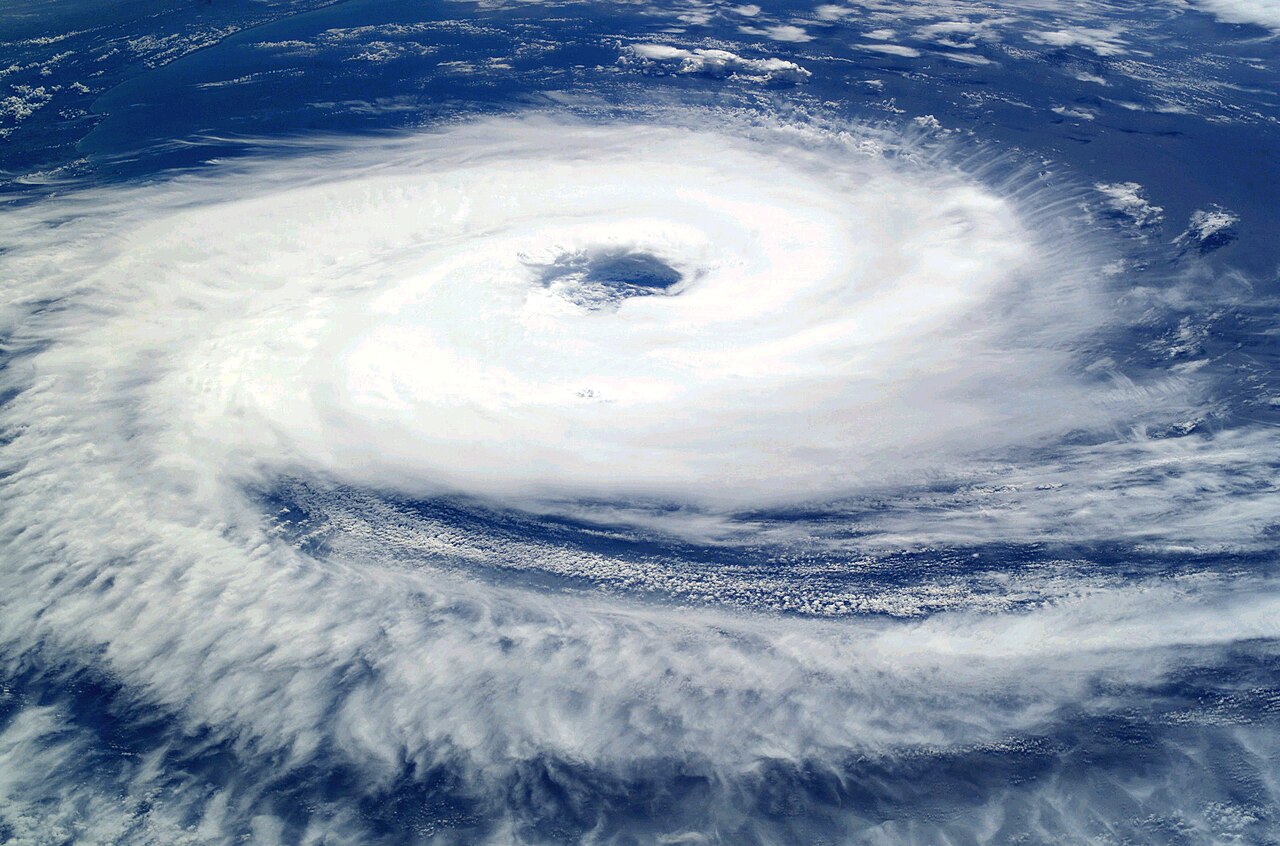




Meteorological history and characteristics
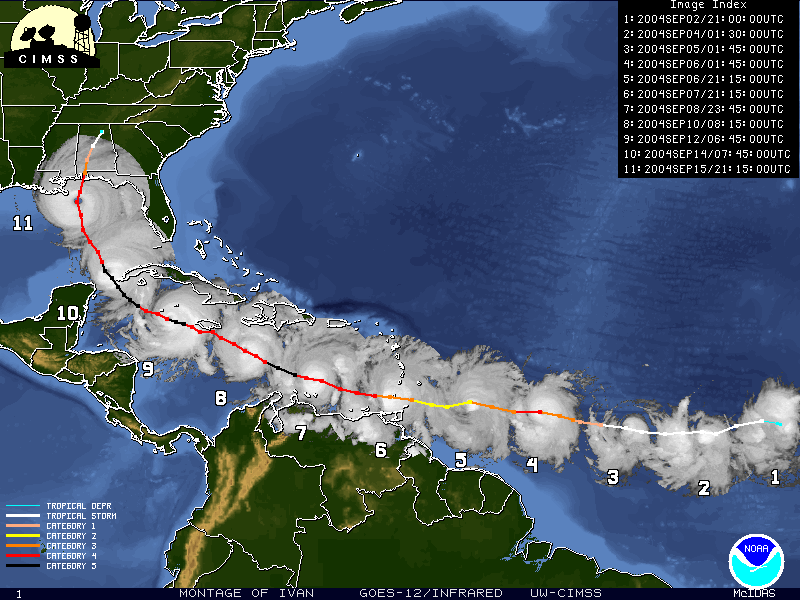
Ivan formed from a tropical wave and followed a classic Cape Verde track, moving westward across the open tropical Atlantic. Conditions of warm sea surface temperatures and favorable upper-level winds allowed rapid intensification. The system was identified early in September and tracked as it strengthened from a tropical depression to a major hurricane. It reached Category 5 intensity during its peak, producing very low central pressure and extreme sustained winds before undergoing periods of eyewall replacement and intensity fluctuations.
Track and affected areas
The hurricane's path carried it through the eastern and central Caribbean, where it made a direct strike on Grenada at a lower but still powerful intensity. Other islands and territories that experienced damaging winds, storm surge, and heavy rain included Jamaica and Grand Cayman. Ivan also tracked close to or over the western tip of Cuba before recurving into the Gulf of Mexico. After crossing warm Gulf waters the storm made landfall on the United States Gulf Coast near Orange Beach, Alabama, as a strong major hurricane. The system then executed a looping track that produced prolonged rainfall over parts of Florida and the southeastern United States.
Impact and aftermath
Ivan caused extensive damage across multiple countries and U.S. states. In the Caribbean, infrastructure, homes, and agriculture were heavily affected, and recovery in some islands took months to years. In the United States the storm produced destructive winds, flooding, and storm surge, along with widespread power outages and property losses. Total damages in the United States were substantial and placed Ivan among the most costly hurricanes to strike the country. After moving inland the storm's remnant low later regenerated into a new tropical system that moved into parts of Louisiana and Texas, though that later system caused less severe impacts than Ivan's main landfall.
Notable facts and legacy
- Ivan was the only Category 5 hurricane of the 2004 Atlantic season and one of several major hurricanes that year (2004 season references).
- It was designated as a Cape Verde-type hurricane because it originated from a tropical wave near the Cape Verde Islands and followed a long transatlantic track (Cape Verde-type).
- Forecasts and observations during Ivan illustrated challenges in predicting intensity changes such as rapid intensification and eyewall replacement cycles, which influenced warnings and emergency response timing (early September development).
- Ivan was recorded as the ninth named storm and the sixth hurricane of its season (storm numbering), and its peak intensity ranked among the top Atlantic hurricanes by central pressure at that time (intensity ranking).
Why Ivan matters
Beyond its immediate destruction, Ivan is examined in meteorology and disaster management for lessons about rapid changes in hurricane strength, long-duration rainfall and coastal surge hazards, and for illustrating how a single basin storm can affect many countries along its track. Recovery efforts highlighted the need for resilient infrastructure and coordinated emergency planning across island and mainland jurisdictions. Historical reviews of Ivan contribute to improved forecasting models and public preparedness strategies for future major hurricanes.
Note: This article uses link placeholders to indicate sources and related topics: 2004 season, Cape Verde-type, early September, ninth named/ sixth hurricane, intensity ranking, Grenada, Jamaica, Grand Cayman, Cuba, Gulf of Mexico, United States, Orange Beach, Alabama, Florida, Louisiana, and Texas.
Related articles
Author
AlegsaOnline.com Hurricane Ivan (2004) Leandro Alegsa
URL: https://en.alegsaonline.com/art/45925