
Hurricane Joaquin (2015) — overview, impacts, and notable facts
Hurricane Joaquin was a major 2015 Atlantic hurricane that struck the Bahamas, threatened Bermuda and the U.S. East Coast, and caused the loss of the cargo ship El Faro. Its name was later retired.
Hurricane Joaquin was a powerful tropical cyclone in the Atlantic basin during late September and early October 2015. The storm became the strongest Atlantic system of that year, reaching major hurricane strength while tracking near the central Bahamas. Joaquin prompted watches and warnings for Caribbean islands and the U.S. East Coast and attracted attention because of its intensity, slow motion in the region, and the tragic loss of a commercial vessel.
Image gallery
10 Images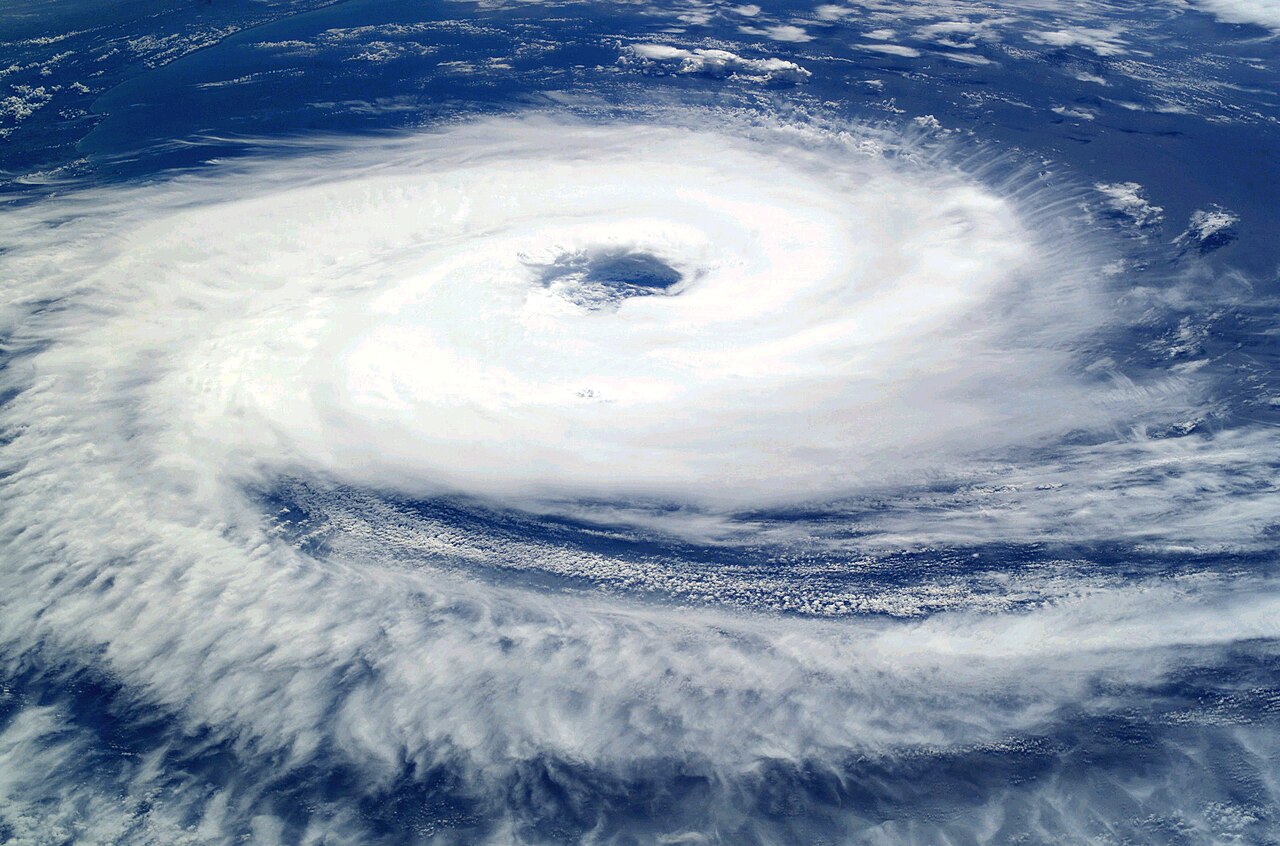


Meteorological history
The system that became Joaquin formed in late September 2015. It was designated a tropical storm on September 29 after organized convection and a closed circulation were identified, and it intensified to hurricane strength the following day. During its mature stage the cyclone moved over unusually warm sea-surface temperatures reported near 86°F (about 30°C), which supported rapid intensification into a major hurricane. Joaquin eventually tracked north and east of the Bahamas and posed threats to nearby islands and shipping lanes while recurving away from the continental United States.
Characteristics and behavior
- Intensity: Joaquin reached major hurricane strength, with a well-defined eye and deep convection during its peak.
- Environment: Warm ocean waters and favorable upper-level conditions helped sustain the storm for several days.
- Track and motion: The storm followed a generally northward and then northeastward path, passing close to the central Bahamas before accelerating into the open Atlantic.
Impacts and human consequences
Joaquin produced widespread effects across the Bahamas, where strong winds, storm surge, and heavy rains caused property damage, power outages, and disruption to communities. The storm also generated hazardous marine conditions across the western Atlantic, and it was associated with the capsizing and sinking of the U.S.-flagged cargo ship El Faro. Thirty-three of the vessel’s crew perished when the ship was lost at sea; other fatalities and injuries were reported in the storm’s affected areas, bringing the reported death toll to more than thirty people.
Aftermath, response, and investigations
Search and rescue efforts followed the loss of the vessel and other storm-related incidents. Authorities and maritime investigators later examined the circumstances surrounding the El Faro sinking to understand decision-making, weather forecasting, and safety procedures. Local governments and relief organizations assisted affected communities in the Bahamas with emergency aid and restoration of basic services.
Notable facts and legacy
Several aspects of Joaquin attracted scientific and public interest: it was the most intense Atlantic storm of 2015, it intensified while over record-warm waters for the historical record, and it demonstrated the hazards of powerful hurricanes to maritime traffic. The name Joaquin was retired from the Atlantic naming lists after the 2015 season and was replaced with Julian for future cycles. For general definitions and meteorological context see tropical cyclone resources; for regional advisories and historical track maps consult official advisories related to the East Coast and Atlantic forecast areas. Information about impacts and warnings issued for nearby islands is available through archived notices affecting Bermuda.
Hurricane Joaquin remains a reference case in discussions of rapid intensification, marine safety in hurricane-prone waters, and the importance of forecasting and preparedness for vulnerable island communities and ships at sea.
Related articles
Author
AlegsaOnline.com Hurricane Joaquin (2015) — overview, impacts, and notable facts Leandro Alegsa
URL: https://en.alegsaonline.com/art/45930