
Hurricane Kate (1985)
Late‑season Atlantic hurricane in November 1985 that struck northern Cuba and the Florida Panhandle near Mexico Beach, causing over a dozen deaths and about $700 million in damage before moving inland to Georgia.
Overview
Hurricane Kate was an Atlantic storm that formed late in the 1985 season and struck parts of the Caribbean and the southeastern United States in November 1985. It is recorded as the final tropical system of the 1985 Atlantic hurricane season to make landfall in the United States while still classified as a hurricane. The storm produced damaging winds, coastal storm surge, and freshwater flooding across a wide area.
Image gallery
7 Images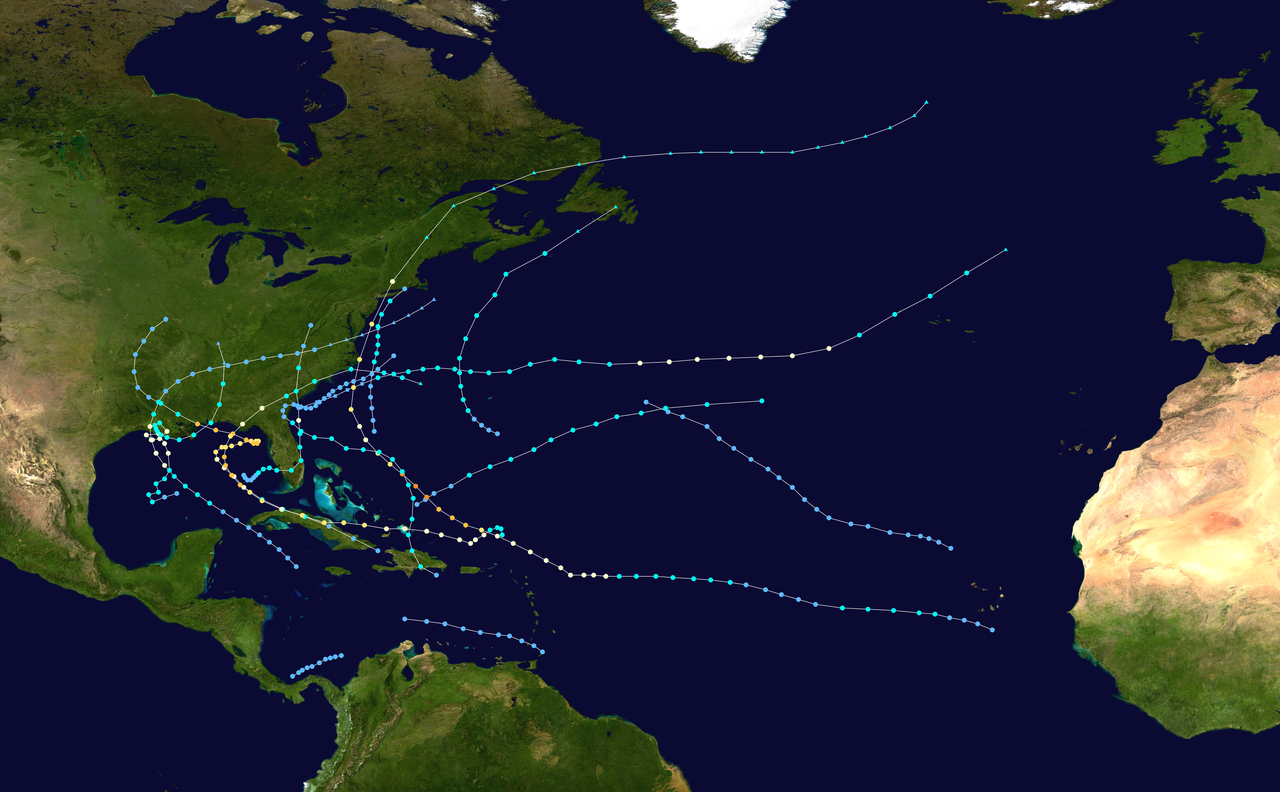



Meteorological history
Kate is described in meteorological summaries as an Atlantic tropical cyclone that intensified as it approached the northern Caribbean. Contemporary accounts refer to the system as a tropical cyclone that reached hurricane strength before impacting land. It first affected the northern coast of Cuba, where it was assessed as a Category 2 hurricane at the time of that landfall. After moving across the Florida Straits and into the Gulf of Mexico, the system made a second notable U.S. landfall on the northwestern Florida coastline near Mexico Beach, then progressed inland toward portions of northwestern Florida and into southwestern Georgia.
Preparations and warnings
Because Kate developed late in the season, public messaging emphasized that hazardous storms can occur outside the peak summer months. Local, state, and national weather services issued watches and warnings for coastal and near‑coastal areas, and authorities advised evacuations in vulnerable barrier‑island and low‑lying communities. Emergency services and utilities prepared for power outages and damage to infrastructure.
Impacts
Kate caused both human and economic losses across affected regions. Official summaries cite more than a dozen fatalities associated with the storm and estimate total damages of roughly $700 million. Reported impacts included:
- Coastal storm surge and beach erosion that damaged homes, docks, and roads.
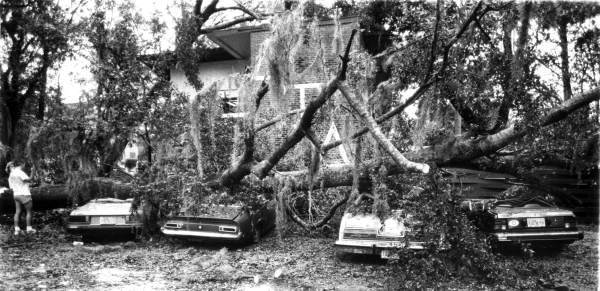
- Widespread wind damage that downed trees and power lines, producing prolonged outages.
- Heavy rainfall producing freshwater flooding inland, affecting agriculture and transportation networks.
- Disruption of commerce and local services during immediate recovery operations.
Regional effects
In Cuba, coastal communities experienced storm surge and wind impacts at the time of the first landfall. The Florida Panhandle, including communities near Mexico Beach and other barrier islands, reported structural damage, flooded streets, and extensive beach erosion. After crossing the coast, the storm's rainfall and winds extended inland into northwestern Florida and affected parts of southwestern Georgia, where flooding and damage to rural property and infrastructure were noted.
Aftermath and significance
Recovery efforts involved federal, state, and local agencies coordinating debris removal, power restoration, and rebuilding of damaged structures. Kate is often highlighted in historical summaries because late‑season hurricane landfalls in the United States are relatively uncommon; as the final hurricane landfall of the 1985 season, it reinforced the need for year‑round awareness of tropical hazards. Studies and reviews following the storm contributed to ongoing improvements in preparedness, warning dissemination, and coastal construction practices.
Further reading
For more detailed meteorological analyses and official reports, consult summaries of the 1985 Atlantic hurricane season and archived tropical cyclone reports maintained by national weather agencies and research centers. Contemporary news accounts and post‑storm assessments provide additional context on local impacts and recovery efforts.
Questions and answers
Q: What was Hurricane Kate?
A: Hurricane Kate was an Atlantic tropical cyclone that hit the United States in November 1985.
Q: When did Hurricane Kate hit Cuba?
A: Hurricane Kate first struck the northern coast of Cuba.
Q: What was the category of Hurricane Kate when it hit Cuba?
A: Hurricane Kate was a Category 2 hurricane when it hit Cuba.
Q: Where did Hurricane Kate strike in the United States?
A: Hurricane Kate struck northwestern Florida close to Mexico Beach.
Q: How many people did Hurricane Kate kill?
A: Hurricane Kate killed over a dozen people.
Q: How much damage did Hurricane Kate cause?
A: Hurricane Kate caused $700 million in damage.
Q: What was notable about Hurricane Kate in relation to the United States?
A: Hurricane Kate was the latest tropical cyclone to hit the United States as a hurricane.
Related articles
Author
AlegsaOnline.com Hurricane Kate (1985) Leandro Alegsa
URL: https://en.alegsaonline.com/art/45936
Sources
- hurricanecentral.freeservers.com : "Hurricane Kate 1985"
- nytimes.com : Hurricane Strikes Northern Florida